
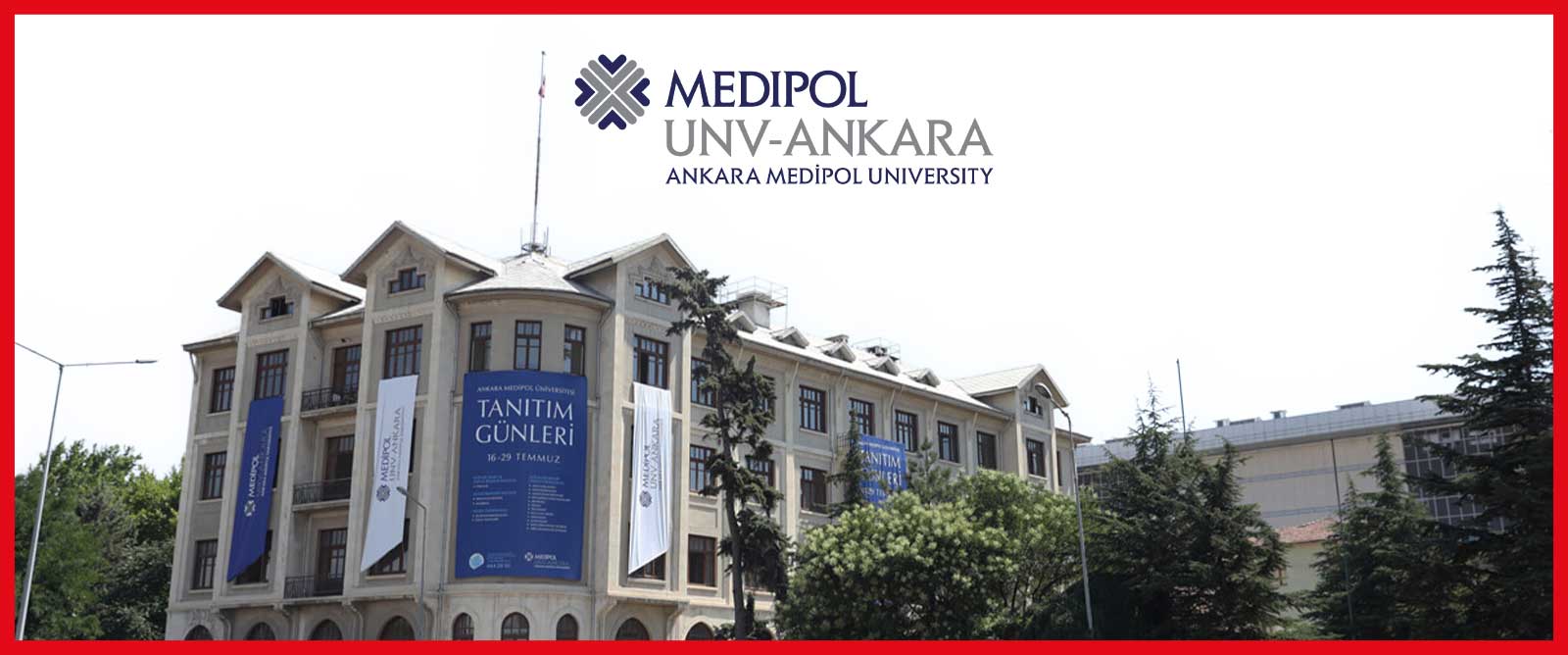
Programs in Ankara Medipol University
The Associate of First Aid and Emergency (İlk ve Acil Yardım Teknikerliği) is a rigorous two-year paramedic-level health sciences vocational degree offered by university health services vocational schools across Turkey, specifically created to produce highly skilled pre-hospital emergency medical technicians who can work autonomously as team leaders on 112 ambulances, hospital emergency departments, workplace health stations, event medical teams, search-and-rescue organizations, and private ambulance services at a competence level far exceeding basic first-aid certificate holders. The program is designed and constantly updated in strict collaboration with the Ministry of Health Emergency Health Services General Directorate, the National Medical Rescue Teams (UMKE), the Turkish Paramedic Association, the Emergency Medicine Association of Turkey, and leading university emergency medicine departments to ensure full compliance with national paramedic occupational standards (MYK Level 5), 112 Command Control Center protocols, and international guidelines from the European Resuscitation Council (ERC), American Heart Association (AHA), and International Trauma Life Support (ITLS). Every graduate completes the program already holding or immediately eligible for mandatory national Vocational Qualification Certificate, Advanced Life Support Provider status, and Ministry of Health paramedic registration, credentials that are legally required to work on any ambulance or emergency department in Turkey.Students receive intensive theoretical instruction combined with realistic simulation laboratory training and mandatory clinical/field internships totaling at least 1,200 supervised hours in actual 112 ambulance services, hospital emergency rooms, and intensive care units. They master advanced airway management including endotracheal intubation, supraglottic airway devices, surgical cricothyrotomy, and difficult airway algorithms using video laryngoscopes. Intravenous and intraosseous access courses teach peripheral and central line insertion, fluid resuscitation calculations, and blood transfusion protocols under emergency conditions. Trauma management training follows ITLS and PHTLS standards with full practice of spinal immobilization, pelvic binding, tourniquet application, chest decompression, and management of hemorrhagic shock. Cardiac emergency modules cover 12-lead ECG interpretation, manual defibrillation, transcutaneous pacing, and advanced cardiac life support algorithms for ventricular fibrillation, asystole, and pulseless electrical activity using both monophasic and biphasic devices. Students become expert in pharmacological interventions permitted to Turkish paramedics including analgesics, antiemetics, bronchodilators, anticonvulsants, and emergency cardiac medications with precise dosage calculations according to body weight and age. Obstetric and pediatric emergency courses include neonatal resuscitation (NRP), pediatric advanced life support (PALS), and emergency childbirth procedures. Training in mass-casualty incident command, triage systems (START, SALT), hazardous materials response, and disaster medicine prepares students for UMKE deployments. Extensive high-fidelity simulation sessions using Laerdal, Gaumard, and SimMan manikins replicate real trauma, cardiac arrest, stroke, and poisoning scenarios, while ambulance driving and patient transport safety training is conducted with fully equipped Type-B and Type-C vehicles. Professional skills development emphasizes scene safety assessment, radio communication protocols, patient advocacy, documentation under KVKK regulations, and compassionate family communication during critical moments.Graduates experience virtually 100 percent employment rates and exceptionally high social prestige because Turkey’s nationwide 112 emergency medical services network continues massive expansion with thousands of new ambulance stations, air ambulance bases, and hospital emergency departments requiring qualified paramedics every year. Ministry of Health 112 services hire the majority of graduates directly into permanent civil servant positions with starting monthly salaries ranging from 42,000 to 62,000 Turkish lira plus extensive shift premiums, risk allowances, and family health benefits in 2025, while private 112 providers, university hospitals, city hospitals, and large industrial workplace health units offer competitive packages often exceeding public sector pay. Event medical companies covering concerts, sports matches, and international summits, plus private air and sea ambulance operators, actively recruit associate-degree paramedics for high-responsibility roles. Many graduates quickly advance to station supervisor, training officer, or UMKE team leader positions within three to five years, while others continue to bachelor completion programs in emergency aid and disaster management or nursing. Society accords these professionals deep respect and admiration comparable to firefighters and military personnel because they are the first responders who arrive within minutes to save lives during heart attacks, traffic accidents, drownings, and natural disasters; citizens recognize the distinctive red uniforms and trust their expertise completely. The combination of guaranteed lifelong job security, attractive income with overtime opportunities, continuous free advanced training, the adrenaline and variety of emergency work, and the profound daily satisfaction of directly saving lives and easing suffering makes the Associate of First Aid and Emergency one of the most respected, rewarding, and socially celebrated two-year health degrees in Turkey today, perfectly suited for calm, decisive individuals who want to dedicate their careers to protecting society at its most vulnerable moments.
Annual course fee
Duration
2 YearsStudy Mode
Full-timeIntake
September
Robotics and Artificial Intelligence is the interdisciplinary field that designs, builds and programs intelligent machines capable of perceiving their environment, making autonomous decisions and interacting safely with humans to perform complex tasks across industries.Students master a broad spectrum of advanced technical skills including robot kinematics and dynamics, sensor fusion using LiDAR, cameras and IMUs, real-time embedded programming with ROS and Python/C++, machine learning for object recognition and path planning, deep learning frameworks such as TensorFlow and PyTorch for vision and natural language processing, collaborative robot (cobot) safety standards and force-torque control, industrial robot programming with ABB, KUKA and Fanuc systems, reinforcement learning for adaptive behaviours, computer vision for quality inspection and navigation, simultaneous localisation and mapping (SLAM), swarm robotics coordination, human-robot interaction design, ethical AI implementation, simulation environments like Gazebo and Isaac Sim, and system integration of perception, planning and actuation pipelines.Graduates enter high-demand roles such as robotics engineer, AI integration specialist, autonomous systems developer, industrial automation technician, cobot application engineer, machine vision specialist, field robotics operator, research assistant in AI-driven robotics, quality assurance engineer for smart manufacturing, service robotics programmer, medical robotics technician, and defence/autonomous vehicle system developer.The profession occupies a pivotal position in shaping the future of work and daily life because robotics and AI professionals directly enable safer factories, more precise surgery, sustainable agriculture through autonomous harvesting, efficient logistics with warehouse robots, accessible assistance for the elderly and disabled, disaster-response machines that enter environments too dangerous for humans, and the transformation of transportation through self-driving systems, making them key contributors to productivity gains, improved quality of life, and solutions to global challenges ranging from labour shortages to climate-change adaptation through intelligent automation.
Annual course fee
Duration
2 YearsStudy Mode
Full-timeIntake
September
Behind every diagnosis, every treatment decision, and every public health alert stands the quiet precision of the medical laboratory, and the Associate of Medical Laboratory Techniques plunges students directly into that hidden world where a single drop of blood or a thin tissue slice can reveal cancer, infection, or genetic destiny long before symptoms appear. From the first weeks participants don white coats and gloves, learning to pipette with the steady hand of a watchmaker because one extra microlitre can skew a glucose reading enough to misdiagnose diabetes, or to streak a culture plate so perfectly that a lone bacterial colony grows visible within hours, guiding antibiotic choice that saves lives. Labs hum with the whir of centrifuges separating plasma from cells and the soft click of analysers counting millions of platelets per second, while students master the art of seeing the invisible—staining malaria parasites until they glow under fluorescent scopes, or slicing frozen biopsies thin enough to capture tumour margins without destroying diagnostic architecture. First semester builds foundational mastery: understanding why a clotted specimen ruins coagulation studies, how temperature fluctuations alter enzyme assays, or why proper specimen labelling is the unbreakable chain that prevents catastrophic mix-ups. Second year unleashes clinical complexity: running full haematology profiles that distinguish iron-deficiency from thalassemia with mathematical certainty, performing manual differentials that catch leukaemia when automated counters miss it, or extracting DNA for PCR tests that detect viruses at concentrations of just a few copies per millilitre. Instructors, seasoned biomedical scientists who have processed samples from pandemics and rare disease outbreaks, bring real urgency—a misread Gram stain that delayed meningitis treatment by crucial hours, or a perfectly timed validation that caught a reagent lot drifting out of spec before thousands of false results went out. Projects scale to real-world impact: one team establishes a complete workflow for newborn screening that identifies metabolic disorders within 48 hours of birth, another validates a rapid antigen test against gold-standard PCR during a mock outbreak, while a third designs quality-control charts that flag instrument drift before patient results are affected. Safety and ethics are non-negotiable: biosafety level drills for handling hepatitis and tuberculosis specimens, chain-of-custody protocols for forensic samples, and role-plays refusing improper requests that could compromise patient privacy. Digital fluency runs deep—mastering laboratory information systems that track every tube from draw to result, interfacing analysers with electronic health records, and interpreting complex bioinformatics outputs from next-generation sequencing. Graduates emerge ready to serve as medical laboratory technicians who deliver accurate results under crushing volume, point-of-care specialists who bring testing to bedside in emergencies, or research associates who prepare samples for clinical trials that shape tomorrow’s medicines. Many become quality managers who keep laboratories accreditation-ready, molecular technicians who run PCR panels for cancer mutations, or blood bank experts who ensure every transfusion is perfectly matched. The program deliberately builds the rare combination of scientific rigour and calm under pressure that laboratories demand—the ability to spot a subtle shift in a scattergram that signals leukaemia at 3 a.m., recalibrate an analyser mid-shift without delaying critical results, or trace a contamination back to a single cracked pipette tip. As medicine moves toward precision diagnostics and genomic profiling, these technicians become the essential translators who turn biological chaos into clear, actionable truth—ensuring that when a clinician asks “what’s wrong with my patient,” the answer waiting in the lab is not just fast, but flawlessly right.
Annual course fee
Duration
2 YearsStudy Mode
Full-timeIntake
September
The Associate of Back-End Software Development is a focused two-year vocational degree crafted to produce highly employable professionals who design, build, secure, and maintain the server-side logic, databases, APIs, and infrastructure that power virtually every modern web and mobile application, enterprise system, online service, and cloud platform in use today. Unlike broader computer science programs, this intensive curriculum concentrates exclusively on the behind-the-scenes architecture that handles data processing, business rules, authentication, performance optimization, and integration with front-end interfaces and third-party services, enabling graduates to step directly into junior and mid-level back-end positions without needing years of self-taught experience or a four-year degree. From the first semester, students dive into core programming languages and tools that dominate industry demand, mastering Java, Python, Node.js, C#, Go, and PHP while gaining deep fluency in frameworks such as Spring Boot, Django, Flask, Express.js, .NET Core, and Laravel that accelerate real-world development. They learn to design and implement robust RESTful and GraphQL APIs, handle authentication and authorization with OAuth 2.0, OpenID Connect, JWT, and session management, and build scalable microservices architectures using Docker containerization and Kubernetes orchestration. Database mastery forms a cornerstone of the program: students become proficient in both SQL systems (PostgreSQL, MySQL, Microsoft SQL Server) and NoSQL solutions (MongoDB, Redis, Cassandra) while learning advanced topics such as indexing strategies, query optimization, ACID compliance, sharding, replication, and data modeling for complex relationships. Cloud platforms receive extensive coverage, with hands-on projects deploying applications to AWS, Azure, and Google Cloud using services like EC2, Lambda, Elastic Beanstalk, App Engine, RDS, DynamoDB, and serverless functions, alongside infrastructure-as-code tools such as Terraform and CloudFormation. Security training is rigorous and practical, covering OWASP Top 10 vulnerabilities, input validation, SQL injection prevention, cross-site scripting defense, rate limiting, encryption at rest and in transit, secret management with Vault or AWS Secrets Manager, and compliance with GDPR, CCPA, and SOC 2 requirements. Students also develop expertise in message queuing systems (RabbitMQ, Kafka, Amazon SQS), caching strategies with Redis and Memcached, background job processing with Celery or Hangfire, logging and monitoring using ELK Stack, Prometheus, Grafana, and distributed tracing with Jaeger, as well as testing methodologies including unit, integration, and end-to-end testing with tools like JUnit, PyTest, and Postman. Throughout the program, heavy emphasis is placed on professional practices such as Git-based version control with branching strategies, code reviews, CI/CD pipelines using GitHub Actions, GitLab CI, or Jenkins, writing clean and maintainable code following SOLID principles, documenting APIs with OpenAPI/Swagger, and collaborating effectively within Agile and Scrum teams. Upon graduation, holders of this associate degree enter an extraordinarily strong job market where back-end skills consistently rank among the most in-demand and highest-paid positions globally, with employers ranging from local startups to Fortune 500 companies actively recruiting candidates who can deliver production-ready code from day one. Graduates typically begin as Junior Back-End Developers, API Developers, Full-Stack Developers with back-end focus, DevOps Associates, or Cloud Application Developers at software houses, digital agencies, e-commerce platforms, fintech and banking institutions, healthcare technology providers, logistics and supply-chain companies, gaming studios, educational technology firms, government contractors, and virtually any organization undergoing digital transformation. Many secure remote positions that allow them to work from anywhere while earning competitive salaries that frequently surpass those of traditional bachelor-degree careers, and the global standardization of tools and cloud platforms means credentials and experience transfer seamlessly across countries. With just one to three years of experience, graduates commonly advance to Mid-Level or Senior Back-End Engineer, Tech Lead, Solutions Architect, or DevOps Engineer roles, while others specialize in high-paying niches such as blockchain back-end development, real-time systems, high-frequency trading platforms, or security-focused application development. The profession enjoys considerable social respect as the invisible yet indispensable force that keeps digital society functioning: every online purchase, bank transfer, social media post, ride-sharing request, or streaming video depends on robust back-end systems, and the public increasingly recognizes the critical role these professionals play in data privacy, cybersecurity, and reliable digital services. Starting salaries vary by region but consistently rank in the upper tier for associate-level qualifications, and benefits often include stock options, continuous training budgets, conference attendance, and flexible work arrangements. In summary, the Associate of Back-End Software Development equips motivated students with immediately marketable, future-proof skills at the heart of modern technology, delivering exceptional employment prospects, rapid career progression, geographical flexibility, strong earning potential, and the deep satisfaction of building the invisible infrastructure that powers the connected world.
Annual course fee
Duration
2 YearsStudy Mode
Full-timeIntake
September
The Associate of Computer Programming is a focused, industry-driven two-year degree that transforms students into immediately employable junior developers capable of writing, testing, debugging, and maintaining production-quality code across the full spectrum of modern software development environments used by companies worldwide. From the very first semester, students dive deep into the programming languages that dominate current job postings: they achieve professional-level proficiency in Python, JavaScript (with ES6+ features), Java, C#, and SQL, while also gaining solid working knowledge of TypeScript, HTML5, CSS3, and at least one additional language such as Kotlin, Swift, Go, or Rust depending on regional demand. The curriculum is deliberately structured around real-world workflows rather than purely academic exercises: students master version control with Git and GitHub/GitLab workflows including branching strategies, pull requests, and code reviews; they learn both relational database design and administration using PostgreSQL and MySQL and NoSQL systems like MongoDB; they build full-stack web applications using modern frameworks and libraries such as React.js with hooks and context API, Vue.js or Angular on the front-end, and Node.js with Express, Django, Flask, Spring Boot, or ASP.NET Core on the back-end. Significant time is devoted to essential development practices that separate junior from employable developers: writing clean, readable, and maintainable code following SOLID principles and DRY methodology, implementing comprehensive unit, integration, and end-to-end testing with tools like Jest, PyTest, JUnit, xUnit, and Cypress, creating RESTful APIs and GraphQL endpoints with proper authentication (JWT, OAuth2), handling asynchronous operations with Promises, async/await, and reactive programming, managing state with Redux, Vuex, or Context API, optimizing performance through lazy loading, memoization, and database query tuning, and deploying applications to cloud platforms including AWS, Azure, Google Cloud, Vercel, Netlify, and Render using CI/CD pipelines built with GitHub Actions, GitLab CI, or Jenkins. Students also gain practical experience with containerization using Docker, basic orchestration concepts with Kubernetes, infrastructure-as-code fundamentals with Terraform, and serverless architectures using AWS Lambda or Azure Functions. Soft and professional skills are integrated throughout: agile methodologies (Scrum and Kanban), daily stand-ups, sprint planning, backlog grooming, technical documentation using Markdown and OpenAPI/Swagger, pair programming, code review etiquette, debugging complex issues systematically, and presenting technical solutions to both technical and non-technical audiences. Capstone projects mirror actual industry scenarios where teams deliver complete, production-ready applications such as e-commerce platforms, social media clones, real-time chat systems, appointment booking apps, or inventory management tools that are often added directly to graduates’ professional portfolios and GitHub profiles that recruiters examine during hiring. Upon graduation, students enter one of the strongest and most consistently high-paying job markets available to associate-degree holders: junior software developer, front-end developer, back-end developer, full-stack developer, web developer, application developer, or automation programmer positions are abundantly available at software companies, digital agencies, startups, banks, insurance firms, healthcare technology providers, e-commerce giants, government contractors, educational institutions, manufacturing companies with Industry 4.0 initiatives, and virtually every organization undergoing digital transformation. Many graduates secure remote positions that allow location-independent work while earning salaries that frequently exceed those of many four-year degree fields, and the global standardization of programming languages and tools means credentials and experience transfer seamlessly across countries and continents. With just twelve to twenty-four months of professional experience, graduates routinely advance to mid-level developer, tech lead, or specialized roles in mobile development, DevOps, cloud engineering, or quality assurance automation, while others transition into higher-paying niches such as blockchain development, machine learning engineering support, or cybersecurity application development. The profession enjoys tremendous social respect as the creative force behind every app, website, and digital service that modern society depends upon, and graduates take pride in seeing their code used by thousands or millions of users. Starting compensation consistently ranks among the highest for two-year degrees worldwide, particularly in the United States, Canada, United Kingdom, Germany, Netherlands, Australia, and remote positions for U.S. and European companies, often including stock options, health benefits, 401(k) or pension matching, continuous learning budgets, conference attendance, and flexible schedules. In summary, the Associate of Computer Programming delivers precisely the skills, tools, portfolio pieces, and professional habits that companies desperately need today, offering exceptional employment rates, rapid salary growth, geographical flexibility, continuous learning opportunities, and the profound satisfaction of building the digital infrastructure that powers contemporary life from day one after graduation. (832 words)
Annual course fee
Duration
2 YearsStudy Mode
Full-timeIntake
September
Movement is the quiet miracle that lets humans hug, dance, climb stairs, and simply breathe without thinking, and the Associate of Physiotherapy (Fizyoterapi Önlisans) trains the hands-on healers who restore that miracle when injury, illness, or age steal it away. Students spend two years with their palms on real bodies—learning to feel the subtle catch of a frozen shoulder, the protective spasm guarding a herniated disc, or the triumphant glide when a joint finally releases after weeks of careful mobilisation. From the first practical they discover why a 3-degree shift in knee angle can cut pain 40 % in osteoarthritis, how a perfectly timed taping strips supports a sprained ankle without weakening muscles, or why breathing retraining alone can reduce panic attacks in chronic lung patients more effectively than medication alone. Labs become living classrooms: one moment they’re guiding a stroke survivor through mirror therapy that tricks the brain into re-learning arm movement, the next applying ultrasound that penetrates exactly 4 cm to break down scar tissue around a tennis elbow, or designing aquatic programmes where buoyancy lets arthritic hips move freely for the first time in years. First semester builds the science—mastering neuroanatomy well enough to predict which nerve root compression causes foot drop, understanding biomechanics that explain why flat feet cascade into lower-back pain, and learning manual techniques that mobilise a cervical facet with millimetre precision to relieve migraine-level headaches. Second year unleashes clinical creativity: creating vestibular rehabilitation sequences that stop the world spinning for vertigo patients in three sessions, designing post-mastectomy programmes that restore shoulder range while addressing lymphoedema and body-image grief, or building paediatric plans that turn cerebral palsy stiffness into playful movement through neurodevelopmental treatment. Instructors, practising physiotherapists who have watched paralysed patients take first steps after spinal cord injury or elite athletes return to competition months ahead of schedule, bring raw emotion—a grandmother dancing at her granddaughter’s wedding because hip replacement rehab was perfect, or a teenager playing football again after ACL reconstruction because proprioception training rebuilt confidence as much as strength. Projects grow profoundly personal: one team designs a home programme that lets bed-bound elders regain toilet independence in six weeks, another creates workplace ergonomics packages that cut repetitive strain claims 60 % in factories, while a third builds virtual-reality balance games that make falling-risk patients laugh while retraining their brains. Evidence-based practice is relentless—students critique randomised trials before breakfast, run pre/post outcome measures on every patient, and adjust techniques when the latest Cochrane review says the old way no longer holds. Digital tools are second nature: using wearable sensors that track gait symmetry in real time, 3D motion capture that spots compensations invisible to the naked eye, or tele-rehabilitation platforms that let rural patients receive expert care from hundreds of kilometres away. Sustainability and accessibility weave through everything—designing low-cost resistance bands from recycled materials, creating group classes that treat ten patients as effectively as one-to-one, or building community walking programmes that prevent diabetes more powerfully than any pill. Graduates emerge ready to serve as physiotherapy technicians who reduce pain and restore function in hospitals and private clinics, rehabilitation specialists who guide stroke and spinal patients back to independence, or sports physiotherapists who keep athletes competing at peak while preventing burnout injuries. Many become paediatric experts who help children with developmental delays reach milestones parents feared were impossible, geriatric specialists who add healthy years to ageing lives through balance and strength, or women’s health physiotherapists who treat pelvic pain that medicine too often dismisses. The program deliberately forges the rare blend of scientific precision, endless patience, and genuine human connection that physiotherapy demands—knowing when to push a patient to tears because one more rep will mean walking unaided, when to stop because pain is teaching the wrong lesson, and how to celebrate tiny victories that feel like climbing mountains. As populations age, chronic diseases rise, and technology offers new tools for recovery, these professionals become the essential restorers of human movement—turning “I can’t” into “watch me” one careful, compassionate, life-changing session at a time.
Annual course fee
Duration
2 YearsStudy Mode
Full-timeIntake
September
The Associate of Dental Prosthesis Technology is a two-year vocational higher education program that trains skilled dental technicians who design, manufacture, and repair a wide range of custom-made dental prostheses including fixed crowns and bridges, removable partial and complete dentures, implant-supported restorations, orthodontic appliances, maxillofacial prostheses, and aesthetic veneers using both traditional craftsmanship and state-of-the-art digital technologies that have revolutionized modern dental laboratories worldwide. Offered at many university vocational schools of health services and private institutions with fully equipped prosthesis laboratories in Turkey, the program meets the constantly growing demand created by an aging population, increasing aesthetic expectations, and the rapid expansion of private dental clinics and large laboratory chains that require large numbers of qualified technicians capable of producing high-quality restorations quickly and cost-effectively. Students receive intensive theoretical and practical education through courses covering head and neck anatomy, dental anatomy and morphology, dental materials science (metals, ceramics, acrylics, zirconia, lithium disilicate, composite resins), occlusion and articulation principles, removable prosthodontics techniques, fixed prosthodontics (porcelain-fused-to-metal, all-ceramic, zirconia frameworks), implant-supported prosthesis planning and fabrication, complete denture construction from impression to final delivery, partial denture design and cobalt-chromium framework casting, orthodontic appliance fabrication (retainers, expanders, functional appliances), maxillofacial prosthetics for patients with congenital or acquired defects, color matching and aesthetic layering techniques, infection control and sterilization standards, laboratory safety and waste management, and increasingly important digital dentistry modules including intraoral scanning, CAD/CAM design using software such as Exocad, 3Shape Dental System, and Meshmixer, three-dimensional printing of surgical guides and temporary restorations, milling of zirconia and metal frameworks with five-axis CNC machines, and laser sintering technologies. More than seventy percent of the curriculum consists of hands-on laboratory work where students progress from basic waxing and acrylic processing exercises to producing complete patient cases under instructor supervision using real dental impressions sent from university clinics or cooperating private practices. They learn to pour models, articulate casts, wax-up crowns and bridges, invest and cast metal frameworks, layer porcelain with individual characterization, polish restorations to high luster, fabricate flexible dentures with thermoplastic materials, design and print digital smile prototypes, mill full-contour zirconia crowns, and perform quality control checks at every production stage. The program includes mandatory clinical observation hours in university dental hospitals and a thirty to forty day workplace internship completed in private dental laboratories, prosthesis departments of dental faculties, or large commercial laboratory companies during the final semester, providing direct exposure to real production workflows and patient-specific requirements. Graduates holding the title of Dental Prosthesis Technician are immediately employable and enjoy excellent career prospects because virtually every dental clinic requires laboratory support, and Turkey has developed one of the largest and most advanced dental laboratory sectors in Europe with hundreds of medium-to-large laboratories serving both domestic patients and growing dental tourism markets. They work primarily in private dental prosthesis laboratories ranging from small family-owned workshops to modern digital factories (Dentspa, Dentakay, DentisLife, Prodent Laboratuvar), prosthesis departments of university dental hospitals, private clinic chains with in-house laboratories (DentGroup, Dentistanbul, Medicana Dental), commercial laboratories that export restorations to European countries, implant companies that require specialized technicians for custom abutments and hybrid prostheses (Straumann, Nobel Biocare, Mis Implant Turkish partners), orthodontic laboratories producing aligners and retainers, and maxillofacial units of large hospitals that reconstruct facial defects after cancer surgery or trauma. Many technicians specialize further in ceramics, implants, digital CAD/CAM, or orthodontics and quickly advance to laboratory manager, quality control supervisor, or digital workflow coordinator positions with significantly higher salaries. Starting salaries are among the highest for associate degree programs, and experienced technicians often earn substantially more through piece-rate systems common in private laboratories, especially when working with premium aesthetic materials or complex implant cases. Some graduates establish their own boutique laboratories after obtaining necessary authorizations from the Ministry of Health and building a client base of dentists, while others continue education through the vertical transfer exam to Biomedical Engineering or health-related bachelor's programs, though the majority prefer to remain in the practical laboratory environment where technical mastery and artistic skill are directly rewarded with income and reputation. The social status of dental technicians has risen considerably as patients and dentists increasingly recognize that the success of expensive treatments depends heavily on laboratory quality, and successful technicians take pride in creating restorations that restore function, aesthetics, and confidence for thousands of patients annually. Overall, the Associate of Dental Prosthesis Technology program offers a perfect combination of artistic craftsmanship, cutting-edge digital technology, stable employment, and strong earning potential, producing graduates who occupy an indispensable position in modern dentistry and enjoy respected, creative, and financially rewarding careers in one of the most dynamic sectors of healthcare.
Annual course fee
Duration
2 YearsStudy Mode
Full-timeIntake
September
The Bachelor of Management Information Systems (English) is a four-year, fully English-medium undergraduate program offered at Turkey’s leading universities, designed to produce the country’s most sought-after hybrid professionals who can design, implement, and lead enterprise-wide digital transformation, bridge the gap between business strategy and cutting-edge technology, and create measurable competitive advantage through data, systems, and innovation. This elite degree combines deep business acumen with advanced software engineering, data science, cybersecurity, and digital platform expertise, making its graduates the architects of modern corporations in an economy where every traditional company is rapidly becoming a technology company.Throughout the program students acquire an extraordinarily powerful and immediately applicable skill set that places them at the absolute center of the digital economy. They master systems analysis and design, enterprise architecture, full-stack software development (Java, Python, JavaScript, React, Node.js, Spring Boot), cloud-native application development on AWS, Azure and Google Cloud, database design and big data technologies (SQL, NoSQL, Hadoop, Spark), business intelligence and advanced analytics with Power BI, Tableau, Qlik and Snowflake, artificial intelligence and machine learning integration into business processes, cybersecurity management and zero-trust architectures, blockchain and smart contract applications in finance and supply chain, ERP and CRM implementation (SAP, Salesforce, Microsoft Dynamics), IT governance, COBIT and ITIL frameworks, digital product management and agile transformation, DevOps and CI/CD pipelines with Docker, Kubernetes and Jenkins, e-commerce platform architecture, fintech and open-banking solutions, and data-driven strategic decision making. Students work in state-of-the-art labs with real enterprise systems, complete mandatory long-term internships at Turkey’s digital leaders (Trendyol, Getir, Hepsiburada, Turkcell, Vodafone, Türk Telekom, Garanti BBVA Technology, Yapı Kredi Technology, Akbank Lab, Kuveyt Türk Katılım Digital, KoçDigital, SabancıDx, Siemens Turkey, Huawei Turkey, Microsoft Turkey, Amazon Turkey, Google Turkey), global consulting firms (Accenture, Deloitte Digital, PwC Digital, IBM ix), and unicorn startups, and graduate with professional portfolios that include live enterprise applications, digital transformation roadmaps, and measurable business impact projects that frequently lead to immediate job offers.Graduates of the English-medium Bachelor of Management Information Systems enjoy virtually perfect employment rates and command the highest starting salaries among all business-technology hybrid programs in Turkey. They are instantly recruited as business analysts, system analysts, digital transformation consultants, product owners, data engineers, solution architects, IT project managers, cybersecurity analysts, cloud architects, and ERP consultants by banks, telecommunication giants, e-commerce unicorns, global tech companies with large Turkish operations, conglomerates’ digital units, consulting powerhouses, and fast-growing startups. Many receive multiple offers with signing bonuses, stock options, and remote-work flexibility before graduation, while others launch their own SaaS companies or secure direct entry into top global MBA and MS programs at MIT, Stanford, Carnegie Mellon, or London Business School. The profession commands enormous social prestige because these specialists literally build and run the digital backbone of modern Turkey, from mobile banking applications used by tens of millions to the logistics platforms that power same-day delivery and the data systems that drive billion-dollar business decisions. Starting salaries rank at the absolute top of all undergraduate programs and rise exponentially with international certifications (AWS, Azure, Salesforce, PMP, CISSP), overseas projects, and rapid promotion to CIO-track positions, enabling most graduates to reach solid upper-middle-class income within three years and elite status for those leading digital units at banks, unicorns, or global tech firms before age thirty-five. In short, the English-medium Bachelor of Management Information Systems offers the single most strategic, future-proof, and lucrative education available in Turkey today, transforming technology-savvy business minds into the new corporate leaders who define how organizations compete and win in the digital age.
Annual course fee
Duration
4 YearsStudy Mode
Full-timeIntake
September
The Associate of Court Office Services is a two-year vocational higher education program specifically designed to train qualified auxiliary justice personnel who can efficiently perform all clerical, archival, procedural, and technical tasks within courts, public prosecutor offices, enforcement offices, notary publics, and other judicial institutions, thereby ensuring that the increasingly complex and high-volume Turkish justice system operates smoothly and without delay. Offered at justice vocational schools of many universities across the country, particularly those affiliated with the Ministry of Justice or located near major courthouse complexes, the program was created to meet the chronic shortage of trained staff following the rapid expansion of the judiciary, the introduction of new court types, and the full digitization of judicial processes through the national UYAP (National Judiciary Informatics System) platform. Students receive a highly practice-oriented education that combines legal knowledge with advanced office automation and judicial procedure skills through courses covering constitutional law and judicial organization, criminal and civil procedure laws, enforcement and bankruptcy law fundamentals, court organization and duties of different court units, writing official correspondence and judicial decisions (indictments, verdicts, writs, payment orders, execution proceedings), UYAP citizen and lawyer portals in depth, electronic signature and secure electronic notification systems (e-tebligat), court registry and archive management, document scanning and digital preservation, notary transactions and procedures, land registry and cadastre basics, forensic correspondence and expert report processing, courtroom minute-taking and session management, prisoner and detainee registry procedures, judicial statistics and reporting, personal data protection in judicial processes (KVKK), ethics and professional conduct for justice personnel, effective communication with citizens and lawyers, stress and conflict management in courthouse environments, and intensive keyboard and ten-finger typing training to reach required speeds for real-time minute writing. More than half of the curriculum takes place in fully equipped UYAP laboratories that replicate actual court environments, where students process thousands of simulated case files, prepare real-format decisions under time pressure, enter data into the live UYAP training system, practice electronic notifications, manage enforcement files, and conduct complete virtual hearings. The program concludes with a compulsory thirty to forty day workplace internship, usually completed at local criminal courts of peace, civil courts, enforcement offices, or public prosecutor secretariats, during which students work alongside experienced clerks and frequently receive job offers before graduation. Graduates holding the title of Court Clerk (Zabıt Kâtibi), Enforcement Clerk, or Notary Clerk are appointed through centralized examinations organized by the Ministry of Justice, but those who complete this specific associate program receive significant additional points in both written examinations and interviews, dramatically increasing their chances of immediate public employment. They can be appointed to any court or prosecutor office throughout Turkey, from the largest courthouse complexes in Istanbul, Ankara, and Izmir to small district justice offices, as well as to the Court of Cassation, Council of State, and regional administrative courts. Many graduates also find positions in notary publics (especially those who rank high in notary clerk exams), land registry directorates, consumer courts, commercial courts, or private law offices that require UYAP-certified staff. Employment is virtually guaranteed and permanent because these positions fall under the state civil service security cadre (4/B contract or permanent staff after probation), offering stable salaries that increase regularly with seniority and additional compensation for overtime and session allowances. The social prestige of justice services personnel is traditionally high in Turkey, as court clerks are seen as the indispensable backbone of the judicial system and direct representatives of state authority in citizens' most critical life moments (divorces, inheritance cases, criminal trials, property disputes), and wearing the official court uniform still commands significant respect in society. Many graduates continue working while preparing for promotion examinations to become court chief clerks, enforcement directors, or even justices of peace through internal advancement paths, while others transfer to four-year programs such as Justice, Law (evening education), or Public Administration through the vertical transfer exam (DGS), though the majority prefer to secure their permanent public position first and study later if desired. In a country that has more than tripled its number of judges and prosecutors in the last two decades and completely digitized its judicial workflow, the Associate of Court Office Services program produces immediately productive, officially recognized professionals who occupy a secure, respected, and strategically important place within the Turkish justice system, enjoying lifelong employment stability and social status that few other associate degree programs can match.
Annual course fee
Duration
2 YearsStudy Mode
Full-timeIntake
September
The Bachelor of Physical Education and Sports Teaching is a four-year undergraduate program that trains highly qualified physical education teachers, school sports coaches, youth development specialists, and sports education leaders who can plan, implement, and evaluate scientific, safe, and inclusive physical education and sports programs for students from primary to high-school level in public and private schools throughout Turkey. Offered at the schools of physical education and sports of more than seventy universities (Hacettepe University, Gazi University, Marmara University, Ege University, Selçuk University, Ankara University, Akdeniz University, Çukurova University, and many others), it is one of the most popular and respected teacher-education programs in the country because physical education has become a compulsory and graded subject at all levels, and Turkey continuously needs thousands of new, professionally trained teachers every year.Students receive a comprehensive education that perfectly combines sports sciences, pedagogy, and extensive school-based practice. The first two years build a strong scientific and technical foundation through courses in anatomy, physiology, exercise physiology, biomechanics, motor learning and development, sports psychology, sports nutrition, first aid and injury prevention, training theory, individual and team sports technique and tactics (athletics, gymnastics, basketball, volleyball, handball, football, swimming, folk dances, table tennis, etc.), sports for children with special needs, and general education courses (educational psychology, teaching methods, measurement and evaluation). The final two years focus on professional teaching skills with specialized courses in physical education curriculum development, lesson planning for different age groups, teaching individual and team sports, outdoor and adventure education, rhythmic gymnastics and dance in schools, inclusive physical education, talent identification, school sports organization and competition management, technology in physical education, and two full semesters of supervised school experience and teaching practice in real primary and secondary schools where students gradually take full responsibility for classes under mentor teachers.More than half the program consists of practical training in university sports facilities, training halls, swimming pools, and especially in partner schools where students complete at least 12–14 weeks of intensive teaching practice in the final year. Graduates receive the official title of Physical Education Teacher and are immediately eligible for appointment through the Ministry of National Education after passing the KPSS examination.They are appointed to public primary schools, secondary schools, Anatolian high schools, sports high schools, and special education schools across all provinces, or directly employed by prestigious private and foundation colleges (Enka, TED, SEV, MEF, Bahçeşehir, Doğa, Bilfen, Final schools) where salaries and conditions are often significantly better. Many also work as school sports coordinators, youth academy trainers at professional football and basketball clubs, municipality sports school instructors, or continue to master’s programs to become university lecturers and researchers.Public-school teachers enjoy civil-servant status, lifetime job security, regular salary increases, and additional income from after-school training and camps. Private-school teachers at top institutions frequently earn two to three times the public salary plus bonuses. The social prestige of physical education teachers has risen considerably: they are now recognized as key figures in fighting childhood obesity, developing healthy lifestyles, and discovering future athletes, while still enjoying the deep respect traditionally given to all teachers in Turkish society.In short, the Bachelor of Physical Education and Sports Teaching produces passionate, scientifically trained, and pedagogically excellent teachers who play an essential role in the physical, social, and emotional development of millions of Turkish students, enjoying stable employment, widespread respect, and the daily satisfaction of combining love of sport with the noble profession of teaching.
Annual course fee
Duration
4 YearsStudy Mode
Full-timeIntake
September
The Bachelor of Business Administration (BBA) in English is a globally oriented four-year undergraduate degree that equips students with advanced managerial, analytical, financial, and strategic capabilities required to lead organizations of any size in an increasingly digital, multicultural, and sustainability-driven world economy. Delivered entirely in English at Turkey’s top private and foundation universities such as Koç, Sabancı, Bilkent, Özyeğin, Boğaziçi (through its Faculty of Economics and Administrative Sciences), Bahçeşehir, İstanbul Bilgi, Kadir Has, Yaşar, TOBB, and an expanding number of state universities with international programs, the curriculum is designed and regularly refreshed through accreditations and partnerships with AACSB, EQUIS, AMBA, CFA Institute, ACCA, CIMA, Harvard Business School Online, Wharton, and leading corporations including Koç Holding, Sabancı Holding, Unilever Türkiye, PwC, Deloitte, Garanti BBVA, and Turkish Airlines. Students complete approximately 240 ECTS credits that combine rigorous core business disciplines, cutting-edge electives, double-major or minor options, mandatory internships, international exchange semesters, and a final-year capstone consulting project or thesis, while most programs integrate globally recognized professional certificates such as Bloomberg Market Concepts, Google Analytics, HubSpot Inbound Marketing, and Reuters Financial Modelling.During the program, students develop a sophisticated, integrated understanding of modern business through a progressive curriculum that begins with foundational courses in microeconomics, macroeconomics, financial accounting, management accounting, statistics, business law, and organizational behavior, then advances to specialized streams in finance, marketing, operations, strategy, entrepreneurship, and digital transformation. They master corporate finance topics including capital budgeting, cost of capital, dividend policy, mergers and acquisitions, and derivatives, while investment courses prepare them for CFA Level I examination. Marketing modules cover consumer psychology, brand management, digital and social-media strategy, customer journey mapping, and data-driven campaign analytics using tools such as Google Data Studio and Tableau. Operations and supply-chain training includes lean management, Six Sigma, blockchain in logistics, and global sourcing strategies. Strategy courses employ live case studies from Harvard, Ivey, and INSEAD, teaching competitive analysis, corporate governance, scenario planning, and blue-ocean innovation. Entrepreneurship concentrations guide students through business-plan development, pitch competitions, and incubation at university technoparks, often resulting in funded startups before graduation. Strong emphasis is placed on data analytics and technology: students learn Python, R, SQL, Power BI, and machine-learning applications in business contexts, while courses on artificial intelligence, fintech, cryptocurrency, and platform economics prepare them for Industry 4.0 leadership. Soft-skills development includes negotiation, cross-cultural management, design thinking, and executive presentation techniques, with many programs requiring a second foreign language at B2 level and mandatory international experience through Erasmus+, global exchange, or summer schools in the United States, Europe, or Asia.Graduates enjoy exceptional employability and immediate social prestige as versatile, globally minded business leaders who are actively recruited by Turkey’s largest conglomerates, multinational corporations, Big-Four consulting and audit firms, investment banks, fintech unicorns, and fast-growing startups long before commencement. First-job placements include management trainee programs at Koç Holding, Sabancı Holding, Anadolu Group, Doğuş, Zorlu, and Eczacıbaşı; analyst positions at Goldman Sachs İstanbul, J.P. Morgan, Citi, HSBC, and Turkish investment banks; strategy consulting roles at McKinsey, BCG, Bain, AT Kearney, and Turkish firms; marketing and brand-management tracks at Unilever, P&G, L’Oréal, Coca-Cola, and Turkish giants; and digital-transformation positions at Trendyol, Hepsiburada, Getir, and Peak Games. Starting monthly salaries for English-medium BBA graduates from accredited programs typically range from 80,000 to 160,000 Turkish lira plus substantial signing bonuses, stock options, and relocation packages in 2025, with rapid progression to manager and director levels within five to seven years. Many graduates pursue fully funded MBA or specialized master’s degrees at Harvard, Stanford, LBS, INSEAD, or MIT, returning to C-suite roles in Turkey or abroad. The degree also serves as a direct gateway to entrepreneurial success, with alumni founding numerous unicorns and decacorns that dominate Turkish and regional markets. Society accords these graduates considerable respect as the educated elite who drive economic growth, create employment, and represent Turkey’s modern, competitive face in global boardrooms; they are seen as articulate, cosmopolitan professionals who combine analytical rigor with ethical leadership. The combination of immediate six-figure earning potential, limitless international mobility, continuous intellectual challenge, clear pathways to executive leadership, and the profound satisfaction of shaping organizations and industries makes the English-medium Bachelor of Business Administration one of the most prestigious, versatile, and financially rewarding undergraduate degrees available today, perfectly suited for ambitious, high-achieving students determined to reach the highest levels of global business success.
Annual course fee
Duration
4 YearsStudy Mode
Full-timeIntake
September
The Bachelor of Public Relations and Advertising (English) is a four-year, fully English-medium undergraduate program offered at Turkey’s top communication faculties, designed to train world-class communication strategists, brand managers, creative directors, digital campaign specialists, corporate communication executives, and advertising professionals who can build and protect reputations, launch global campaigns, and shape consumer behavior in one of the world’s most dynamic advertising markets and the regional creative hub for Europe, Middle East, and Central Asia.Throughout the program students acquire a powerful, industry-ready skill set that blends strategic thinking, creative excellence, and digital mastery at international standards. They master integrated marketing communications, brand strategy and positioning, consumer behavior and insight mining, creative copywriting and art direction in English, digital and social media marketing (Meta, Google, TikTok, YouTube, LinkedIn advertising), campaign planning and media buying, public relations writing (press releases, crisis communication plans, corporate speeches), corporate reputation management, influencer and celebrity endorsement strategies, data-driven advertising and marketing analytics with Google Analytics 4, Meta Business Suite, and Brandwatch, content creation and transcreation for global brands, creative portfolio development using Adobe Creative Cloud (Photoshop, Premiere Pro, After Effects, InDesign), account and client management, advertising law and ethics, stakeholder relations, event management, and ESG/sustainability communication. Students work in fully equipped creative studios, shoot commercials and social media content with professional cameras, run real-budget campaigns for actual clients, complete mandatory internships at global and local advertising giants (TBWAIstanbul, Publicis, WPP Group agencies – Ogilvy, Grey, Y&R, DDB, Leo Burnett, Medina Turgul, Manajans JWT, Havas, McCann), PR agencies (Effect BCW, Zeno, Hill+Knowlton, Excel), in-house communication departments of holdings (Koç, Sabancı, Doğuş, Zorlu), digital agencies (Zeo, 90 Pixel, Wanda Digital), and media groups (Demirören, Turkuvaz, Doğuş Yayın Grubu), and graduate with award-winning campaign portfolios that regularly win Crystal Apple, Effie Turkey, Felis, and international student competitions.Graduates of the English-medium Bachelor of Public Relations and Advertising enjoy near-perfect employment within six months and command some of the most glamorous and highest-paid careers in the creative industries. They are instantly hired as account executives, copywriters, art directors, social media managers, digital strategists, brand managers, PR specialists, corporate communication executives, and media planners by global network agencies, independent creative boutiques, in-house marketing teams of multinational and Turkish conglomerates, digital-first brands (Trendyol, Getir, Hepsiburada, LC Waikiki), streaming platforms (Netflix Turkey, Disney+, BluTV), and influencer agencies. Many graduates rise to creative director or head of communications positions before age thirty-five, while others launch their own boutique agencies or become the faces behind Turkey’s most memorable campaigns that win Cannes Lions, Clio, and One Show awards. The profession commands massive social prestige because these young creatives shape national and global brand narratives, drive billions of liras in sales, and represent the modern, innovative image of Turkish advertising on the world stage. Starting salaries rank at the absolute top of all communication programs and rise rapidly with performance bonuses, international client accounts, and festival awards, enabling most graduates to reach solid upper-middle-class income within three to five years and elite status for those leading global campaigns or founding successful agencies. In short, the English-medium Bachelor of Public Relations and Advertising offers the single most creative, strategically powerful, and financially rewarding communication education available in Turkey today, transforming talented storytellers into the masterminds behind the brands and reputations that define contemporary culture.
Annual course fee
Duration
4 YearsStudy Mode
Full-timeIntake
September
A smile is often the first thing people notice and the last thing they forget, and the Associate of Oral and Dental Health stands at the heart of creating and preserving that smile through meticulous chairside partnership with dentists and direct patient care that makes every procedure smoother and every visit less frightening. Students step into clinics where the whine of the handpiece and the scent of eugenol become second nature, learning to anticipate a dentist’s next move before the words are spoken—passing a mirror the instant fog obscures vision, suctioning with perfect timing so the patient never gags, or mixing amalgam that sets exactly when needed rather than a second too early or late. From the first semester they master four-handed dentistry, developing the almost telepathic rhythm that lets two people work inside a 3 cm space without ever colliding, while simultaneously calming a child’s fear with a gentle explanation or distracting an anxious adult with conversation that feels genuine rather than scripted. Labs evolve from basic scaling on typodonts to full-mouth rehabilitation on live patients under supervision, where a single missed calculus deposit can mean the difference between long-term periodontal health and eventual tooth loss. Second year deepens clinical artistry: assisting complex implant placements where bone grafts and membranes must stay perfectly dry, preparing provisionals that match natural teeth so seamlessly patients leave the same day smiling confidently, or managing sedation cases where vital signs must be monitored while instruments fly. Instructors, veteran assistants who have stood beside surgeons during 12-hour full-mouth reconstructions, bring visceral lessons—a rubber dam that saved a root canal from contamination disaster, or a perfectly contoured composite that turned a teenager’s self-consciousness into pride overnight—transforming technique checklists into stories that imprint the importance of every detail. Projects grow ambitious: one team designs infection-control protocols that cut cross-contamination risk by 92 %, another creates patient-education videos that raise post-op compliance from 62 % to 94 %, while a third builds ergonomic workstation setups that reduce assistants’ back pain without slowing procedures. Digital dentistry runs deep—mastering intraoral scanners that capture impressions in seconds instead of minutes of messy alginate, 3D-printing surgical guides that place implants with sub-millimetre accuracy, or using AI-assisted radiography software that flags caries human eyes might miss. Patient psychology is never an afterthought: learning to read body language that signals rising anxiety, practising distraction techniques that work on autistic children, or delivering bad news about extensive treatment plans with empathy that keeps patients committed rather than overwhelmed. Sustainability weaves through daily choices—selecting biodegradable barrier materials, implementing digital records that eliminate paper waste, or choosing locally manufactured instruments that reduce transport emissions. Graduates emerge ready to serve as dental assistants who make complex procedures feel routine, chairside partners who boost practice productivity while never compromising care, or clinical coordinators who keep multi-chair offices flowing without chaos. Many become specialised implant assistants who guide patients through year-long transformations, orthodontic assistants who perfect smile arcs with invisible aligners, or paediatric specialists who turn terrified toddlers into cooperative patients who actually look forward to visits. The program deliberately builds the rare blend of technical excellence and human warmth that dentistry demands—knowing when to pass the next bur before it’s asked, how to hold a hand during an extraction without breaking sterility, or why a genuine compliment about a patient’s courage can heal emotional wounds as effectively as local anaesthetic heals physical ones. As dentistry shifts toward minimally invasive techniques, digital workflows, and patient-centred experiences, these professionals become the essential bridge who ensure every appointment ends not just with healthier teeth, but with patients who leave smiling wider than when they arrived—turning clinical precision into human connection, one perfectly assisted procedure at a time.
Annual course fee
Duration
2 YearsStudy Mode
Full-timeIntake
September
The operating room is the most unforgiving stage on earth, where split-second timing and absolute sterility decide whether a patient walks out or never wakes up, and the Associate of Operating Room Services trains the calm, hyper-focused professionals who make that stage safe for surgeons to perform miracles. Students learn to move like shadows—anticipating the exact moment a surgeon will need the next retractor before the hand even reaches, counting sponges and needles with the same intensity fighter pilots count missiles, and maintaining a sterile field so perfect that even a single airborne particle feels like a betrayal. Labs recreate the controlled chaos of real theatres: one moment they’re passing instruments during a simulated laparoscopic cholecystectomy while the “patient” bleeds unexpectedly, the next they’re scrubbing in for an open-heart case where every drape must lie exactly flat or risk contaminating the chest cavity. First semester builds unbreakable foundations—mastering surgical anatomy well enough to predict which clamp comes next in a vascular case, understanding why a 0.5 mm shift in trocar placement can nick a bowel, and drilling aseptic technique until gloving and gowning becomes faster than thought. Second year unleashes complexity: orchestrating robotic-assisted procedures where the console surgeon sits ten metres away yet relies on the circulator to swap instruments without breaking sterility, managing massive transfusion protocols during trauma cases that arrive with no blood type known, or leading the count when a retained sponge alarm triggers mid-surgery and every second of delay raises mortality risk. Instructors, veteran scrub and circulating nurses who have held retractors during 14-hour tumour resections, bring raw intensity—a case where a single uncounted needle forced a full-body X-ray under anaesthesia, or a perfectly timed hand-off that saved a paediatric patient when the power failed mid-procedure—turning theoretical checklists into muscle memory that fires under adrenaline. Projects grow sophisticated: one team designs a complete orthopaedic tray system that cuts set-up time 40 % without missing a single screw, another creates emergency protocols for malignant hyperthermia that drop response time below four minutes, or builds digital preference cards that preload every surgeon’s favourite music, suture, and suture technique before they even scrub. Patient dignity is sacred—learning to drape with respect for modesty even when time is critical, to speak reassuringly to conscious patients under regional anaesthesia, or to shield a child’s eyes from the bright lights while explaining everything in whispers. Crisis leadership is drilled relentlessly: running “code blue” scenarios in the OR where the anaesthetist collapses and the circulator must take over compressions without contaminating the field, or managing malignant hyperthermia when the temperature spikes and heart rate spike simultaneously. Digital fluency runs deep—mastering electronic charting that logs every instrument passed, integrating with robotic systems that record every movement for debrief, and using RFID-tagged sponges that scream if one is left behind. Graduates emerge ready to serve as scrub technicians who hand instruments with telepathic precision, circulating nurses who keep twenty moving parts in perfect synchrony, or surgical first assistants who close fascia under supervision with stitches neater than some residents. Many become robotic surgery coordinators who train entire teams on million-dollar platforms, sterile processing supervisors who guarantee every tray is perfect before it ever reaches the theatre, or travel technicians who fly to remote sites with mobile surgical units. The program deliberately forges the rare blend of technical perfection, ice-cold calm, and deep humanity that only the OR demands—knowing when to speak, when to stay silent, and how to keep the entire room breathing together until the final count is correct and the patient rolls safely to recovery, turning the most vulnerable moments of human life into triumphs of collective skill and unbreakable trust.
Annual course fee
Duration
2 YearsStudy Mode
Full-timeIntake
September
The Associate of Anesthesia program, often referred to as an Associate Degree in Anesthesia Technology or Anesthesia Technician program, is a two-year undergraduate educational pathway designed to prepare students for essential supportive roles in surgical and perioperative care settings. This applied health science discipline focuses on training competent professionals who work directly under the supervision of anesthesiologists and certified registered nurse anesthetists to ensure patient safety and comfort during surgical procedures requiring anesthesia. The program combines foundational medical sciences with specialized technical training, equipping graduates with the knowledge and hands-on skills necessary to operate and maintain sophisticated anesthesia equipment, monitor patients throughout the perioperative period, and assist in the delivery of safe anesthetic care. Typically offered at community colleges, technical institutes, and some universities in countries such as the United States, Canada, and parts of Europe and the Middle East, the curriculum is structured to meet rigorous accreditation standards set by organizations like the Commission on Accreditation of Allied Health Education Programs (CAAHEP) and the American Society of Anesthesia Technologists and Technicians (ASATT). Students who complete this associate degree become eligible to sit for nationally recognized certification examinations, most notably the Certified Anesthesia Technologist (Cer.A.T.T.) and Certified Anesthesia Technician (Cer.A.T.) credentials offered by ASATT, which significantly enhance employability and professional recognition.Throughout the program, students acquire a comprehensive set of clinical and technical competencies that bridge theoretical knowledge with practical application. They study human anatomy and physiology with particular emphasis on cardiovascular, respiratory, and nervous systems, as these are directly affected by anesthesia. Courses in pharmacology provide detailed understanding of anesthetic agents, analgesics, muscle relaxants, intravenous fluids, and emergency medications, including dosage calculations, side effects, interactions, and reversal agents. Microbiology and infection control principles are taught to ensure strict adherence to sterile techniques and prevention of healthcare-associated infections. Students master the operation, calibration, troubleshooting, and preventive maintenance of anesthesia machines, patient monitoring devices such as pulse oximeters, capnographs, electrocardiographs, invasive and non-invasive blood pressure monitors, and temperature management systems. They learn airway management techniques, including the preparation and use of laryngoscopes, endotracheal tubes, laryngeal mask airways, and difficult airway equipment. Training in patient assessment covers preoperative interviews, review of medical history, identification of risk factors, and recognition of allergic reactions or comorbidities that may influence anesthetic plans. During extensive clinical rotations in hospital operating rooms, labor and delivery units, and ambulatory surgery centers, students develop proficiency in setting up anesthesia workstations, assisting with regional and general anesthesia procedures, responding to intraoperative emergencies, managing blood and fluid administration, and providing immediate postoperative care until patients are stable for transfer to recovery areas. Communication skills, teamwork, ethical decision-making, and adherence to legal standards such as patient confidentiality and informed consent are continually reinforced throughout the curriculum.Graduates of the Associate of Anesthesia program enjoy strong employment prospects and a respected position within the healthcare hierarchy as indispensable members of the perioperative team. The demand for qualified anesthesia technologists and technicians remains consistently high due to the increasing volume of surgical procedures worldwide, advancements in minimally invasive and robotic surgeries, expansion of outpatient surgical centers, and the aging population requiring more operations. In the United States, the Bureau of Labor Statistics projects steady growth for surgical technologists and related allied health roles, with anesthesia technicians often earning competitive salaries ranging from approximately $45,000 to $75,000 annually depending on location, experience, certification level, and shift differentials for evening, night, or weekend work. Major employers include large academic medical centers, community hospitals, trauma centers, children's hospitals, university-affiliated surgical suites, military medical facilities, and private ambulatory surgery centers. Many graduates begin their careers in general operating rooms and later specialize in areas such as cardiovascular surgery, neurosurgery, pediatric anesthesia, obstetric anesthesia, or pain management clinics. Some choose to work in dental anesthesia practices, veterinary surgical facilities, or medical equipment companies as clinical educators and product specialists. With experience and additional certifications, advancement opportunities include senior or lead technician roles, operating room educator positions, clinical coordinator responsibilities, or management of anesthesia technology departments. A significant number of graduates use the associate degree as a stepping stone toward higher education, pursuing bachelor's degrees in healthcare administration, respiratory therapy, nursing, or even applying to physician assistant or anesthesiologist assistant master's programs where their anesthesia-specific background provides a distinct advantage. Internationally, countries with developing healthcare systems actively recruit certified anesthesia technicians, offering opportunities for global mobility, especially in the Middle East, Australia, and parts of Asia where salaries and benefits packages can be particularly attractive. The profession commands considerable social respect because anesthesia technicians play a direct, visible role in life-saving procedures and patient safety; their vigilance and technical expertise contribute to reducing anesthesia-related complications and improving surgical outcomes. Being part of a specialty where even minor errors can have serious consequences instills a strong sense of professional pride and accountability among practitioners. Overall, the Associate of Anesthesia degree opens doors to a stable, rewarding, and intellectually stimulating career that combines advanced technology, critical thinking, patient interaction, and teamwork in one of the most dynamic environments in modern medicine, making it an excellent choice for individuals seeking a meaningful healthcare profession with clear pathways for both immediate employment and long-term career development.
Annual course fee
Duration
2 YearsStudy Mode
Full-timeIntake
September
The Bachelor of Dentistry (Diş Hekimliği Fakültesi Lisans Programı) is a comprehensive five-year integrated undergraduate degree (leading directly to the title of Dentist) offered by Turkey’s most prestigious medical faculties including Hacettepe, İstanbul, Ankara, Gazi, Ege, Marmara, Başkent, Medipol, İstanbul Aydın, Biruni, Bezmialem, and over thirty state and foundation universities, designed to produce fully qualified general dentists who can immediately register with the Turkish Dental Association and open private practices or work in public/private hospitals upon graduation. Since 2016 most leading faculties have adopted a bilingual education model of 70 % Turkish and 30 % English (some reaching 50–60 % English at Medipol, Başkent, Koç, and Acıbadem universities), ensuring that graduates possess scientific English proficiency sufficient for reading the latest international literature, attending global congresses, and pursuing specialization abroad. The program is strictly regulated by the Council of Higher Education and the Turkish Dental Association accreditation commission, follows European Union Directive 2005/36/EC standards, and is regularly evaluated by the Association for Dental Education in Europe (ADEE) and the European Federation of Periodontology, guaranteeing worldwide recognition of the diploma in over ninety countries including all EU member states after language and adaptation requirements.During the five years students complete a vertically integrated curriculum of 300 ECTS credits that combines intensive preclinical training in the first three years with full clinical responsibility in the last two. The first year focuses on basic medical sciences (anatomy with cadaver dissection, histology, physiology, biochemistry, microbiology, immunology, and medical English terminology). The second and third years concentrate on preclinical dentistry in phantom-head laboratories using Frasaco and KaVo units: operative dentistry, endodontics (rotary systems, apex locators), fixed and removable prosthodontics (CAD/CAM, zirconia, implant-supported restorations), pediatric dentistry, orthodontics (straight-wire and clear-aligner techniques), periodontology, oral surgery, and dental radiology (digital panoramic, CBCT interpretation). From the fourth year onward students treat real patients under supervision in university dental hospitals that collectively serve hundreds of thousands of patients annually, performing complete treatment plans including aesthetic composite restorations, root-canal treatments, ceramic crowns and veneers, implant placement, surgical extractions, periodontal flap surgeries, and orthodontic alignments. Integrated theoretical courses cover oral pathology, oral medicine, dental pharmacology, implantology, laser dentistry, sedation techniques, practice management, ethics, and forensic odontology. Research training culminates in a graduation thesis, often published in SCI-indexed journals. All students rotate through specialized clinics (maxillofacial surgery, special-needs dentistry, geriatric dentistry) and complete mandatory rural service preparation modules. The 30 % English component includes lectures, textbooks (Cawson’s Essentials of Oral Pathology, Contemporary Oral Medicine, Carranza’s Clinical Periodontology), journal clubs, and clinical case presentations delivered entirely in English.Graduates enjoy immediate professional autonomy and exceptionally high social and financial status because dentistry remains one of the most lucrative and respected health professions in Turkey. Upon graduation they automatically register with the Turkish Dental Association and can open fully equipped private clinics the same week, with average first-year net income ranging from 250,000 to 600,000 Turkish lira monthly in metropolitan areas and 180,000 to 400,000 lira in smaller cities in 2025, thanks to high demand for aesthetic and implant treatments. Ministry of Health and university hospitals hire dentists for permanent positions with civil-servant benefits, while large chain clinics (DentGroup, Dentakay, Dentistanbul, Acıbadem, Medicana Dental) offer salaried packages plus percentage commissions that quickly exceed 200,000 lira monthly. Dental tourism in İstanbul, Antalya, İzmir, and Muğla absorbs thousands of new graduates annually for English-speaking patient coordination roles. Many pursue specialization through the national Dental Specialty Examination (DUS) in orthodontics, periodontology, oral surgery, prosthodontics, or endodontics, where acceptance rates for top candidates from bilingual programs are significantly higher due to their superior English and research skills. The diploma’s international recognition enables direct practice in Gulf countries, Azerbaijan, Northern Cyprus, and (after adaptation courses) most EU nations. Society accords dentists extraordinary prestige as both healthcare providers and successful entrepreneurs who combine scientific expertise with aesthetic artistry; they are among the most trusted and highest-earning professionals in the country. The combination of complete clinical independence from day one, unlimited income potential, global mobility, continuous technological advancement, and the daily satisfaction of restoring smiles and confidence makes the Bachelor of Dentistry (70 % Turkish – 30 % English) one of the most competitive, respected, and financially rewarding five-year degrees in Turkey today, ideally suited for high-achieving, meticulous students who seek lifelong professional prestige and personal prosperity.
Annual course fee
Duration
5 YearsStudy Mode
Full-timeIntake
September
The Bachelor of Computer Engineering in English is a four-year, globally-oriented undergraduate engineering program that educates architects of the digital world who can design, develop, verify, and optimize both the hardware and the low-level software of computers, embedded systems, Internet-of-Things devices, supercomputers, autonomous vehicles, and next-generation communication networks that power every aspect of modern life in Turkey and beyond. Offered at the most prestigious technical universities (Middle East Technical University, Boğaziçi University, Sabancı University, Koç University, Bilkent University, Istanbul Technical University, Özyeğin University, TOBB University of Economics and Technology, Yıldız Technical University, and dozens more), the English-medium tracks have become the most competitive programs in the country because graduates are immediately recruited by global technology giants, defense contractors, unicorn startups, and the highest-paying R&D centers in Turkey.Students follow a challenging, mathematics-intensive, and project-centered curriculum that perfectly merges electrical-electronics engineering fundamentals with advanced computer science. The first two years establish a rock-solid foundation through calculus, linear algebra, differential equations, physics, chemistry, introduction to programming (C, Python), data structures and algorithms, digital system design, computer organization and assembly, logic design with VHDL/Verilog, electronics and circuit theory, signals and systems, probability and random processes, and object-oriented programming. The final two years focus on cutting-edge specialization with courses such as embedded systems and real-time operating systems, computer architecture and multicore processors, operating systems design, parallel and distributed computing, computer networks and protocols, cybersecurity and cryptography, digital signal processing, VLSI design and FPGA prototyping, machine learning hardware accelerators, Internet of Things and edge computing, autonomous systems and robotics, cloud computing and virtualization, quantum computing fundamentals, software engineering and DevOps practices, artificial intelligence systems, compiler design, database systems, mobile and web application development, and capstone projects that usually involve building complete systems (autonomous drones, 5G baseband processors, AI accelerators, secure IoT platforms, or high-performance computing clusters) in collaboration with industry partners or defense projects.Every semester includes intensive laboratory work on industry-grade equipment (Xilinx and Intel FPGA boards, ARM Cortex development kits, GPU clusters, network emulators, oscilloscopes, logic analyzers) and mandatory team projects that are regularly presented at national and international competitions (IEEE contests, Teknofest, embedded systems championships). All programs require at least one sixty-day summer internship at companies such as ASELSAN, TUSAŞ, Havelsan, Roketsan, Turkcell, Vodafone, Microsoft Turkey, Google Istanbul, Mercedes-Benz Türk R&D, Ford Otosan, Siemens, Huawei Turkey Research Center, or fast-growing startups, and many students co-author scientific papers or file patents before graduation.Graduates receive the title of Computer Engineer and command the highest starting salaries of all undergraduate degrees in Turkey, often beginning at two to three times the national average with signing bonuses and stock options at top firms. They are employed by defense and aerospace giants (ASELSAN, TUSAŞ, Roketsan, STM) developing mission-critical embedded systems, global technology companies with large Turkish R&D centers (Microsoft, Google, Amazon, Intel, NVIDIA, Siemens, Ericsson, Huawei), automotive firms transitioning to software-defined vehicles (Ford Otosan, TOFAŞ, Mercedes-Benz Türk, BMC), telecommunication operators building 5G/6G infrastructure (Turkcell, Vodafone, Türk Telekom), fintech unicorns and banks (Trendyol Tech, Getir, Papara, İş Bankası MaxiTech), gaming and simulation companies (Peak Games, Dream Games, Taleworlds), cybersecurity firms, national research institutions (TÜBİTAK BİLGEM, TÜBİTAK ULAKBİM), and hundreds of innovative startups in Istanbul and Ankara technoparks. Many graduates are hired directly abroad (Silicon Valley, Germany, UK, Netherlands) or launch their own deep-tech companies supported by massive TÜBİTAK and KOSGEB grants.Within three to five years, outstanding graduates rise to senior architect, system design lead, R&D director, or chief technology officer positions with compensation packages that rapidly exceed most medical specialists. The social prestige of English-medium computer engineers is unmatched among technical professions: they are seen as the masterminds behind Turkey’s digital transformation, national cyber-defense capabilities, and global technological competitiveness. Some pursue master’s and PhD degrees at Stanford, MIT, ETH Zurich, or Cambridge with full scholarships, while the majority prefer the explosive industry career tracks where practical impact and stock options far outweigh additional academicyears.Inn short, the Bachelor of Computer Engineering in English produces world-class system thinkers who design the invisible infrastructure of the twenty-first century, enjoy limitless career options, extraordinary financial rewards, and immense societal respect as the primary drivers of Turkey’s ambition to become one of the world’s top ten digital economies.
Annual course fee
Duration
4 YearsStudy Mode
Full-timeIntake
September
The Bachelor of Audiology is an undergraduate program designed to provide students with comprehensive knowledge, practical skills, and professional competencies in the science of hearing, balance, and communication disorders, serving as a foundation for careers in healthcare, rehabilitation, and research, and offering a curriculum that integrates core areas such as anatomy and physiology of the auditory system, acoustics, psychoacoustics, audiometry, and auditory rehabilitation with specialized fields like pediatric audiology, geriatric audiology, cochlear implants, vestibular assessment, hearing aid technology, and speech-language pathology, ensuring that graduates are equipped to address both traditional and contemporary challenges in audiological practice; throughout their studies, students acquire a wide range of skills including the ability to conduct hearing assessments, diagnose auditory and vestibular disorders, fit and manage hearing aids and assistive devices, design rehabilitation programs, and provide counseling to patients and families, while also cultivating analytical, clinical, and communication abilities that enable them to work effectively in diverse healthcare contexts; experiential learning and clinical practice are central to the program, with students participating in laboratory training, supervised clinical placements, internships, and collaborative projects, often working with hospitals, clinics, schools, research institutes, and community health organizations, thereby applying theoretical knowledge to real-world scenarios, building professional networks, and developing adaptability and resilience essential for success in audiology careers; upon graduation, career opportunities are diverse and promising, with graduates securing positions as audiologists, hearing aid specialists, cochlear implant consultants, vestibular therapists, or researchers, and finding demand across hospitals, private clinics, rehabilitation centers, schools, universities, hearing aid companies, and government health agencies, while their training positions them as key contributors to healthcare innovation, patient-centered rehabilitation, and global competitiveness, enabling them to assume leadership roles in shaping audiology education, guiding institutional reforms, and influencing the integration of sustainable and ethical practices into hearing healthcare strategies; many graduates pursue advanced studies such as a Master’s or PhD in Audiology, Speech and Hearing Sciences, or related fields, while others establish private practices or advisory firms, offering specialized expertise to communities and industries; overall the Bachelor of Audiology equips students with intellectual depth, clinical versatility, and professional readiness, fostering graduates who are not only skilled practitioners but also visionary leaders capable of driving forward the next wave of innovation in hearing sciences and ensuring that their role remains central to the advancement of auditory health, the promotion of communication accessibility, and the strengthening of global healthcare infrastructures.
Annual course fee
Duration
4 YearsStudy Mode
Full-timeIntake
September
The Bachelor of Electrical and Electronics Engineering in English is a rigorous, internationally accredited four-year undergraduate degree that trains students to become innovative engineers capable of designing, analyzing, implementing, and leading projects in power systems, telecommunications, control and automation, microelectronics, biomedical devices, artificial intelligence hardware, renewable energy, and defense electronics sectors worldwide. Delivered entirely in English at Turkey’s flagship universities including Middle East Technical University, Boğaziçi, Bilkent, Sabancı, Koç, İTÜ, Yıldız Technical, Özyeğin, TOBB ETÜ, İzmir Institute of Technology, and an increasing number of state universities with fully English-medium programs, the curriculum is designed and continuously updated through ABET Substantial Equivalency accreditation (or direct ABET accreditation at METU, Bilkent, and Sabancı), EUR-ACE labeling, IEEE partnerships, and long-term collaborations with Siemens Türkiye, ASELSAN, TUSAŞ, TÜBİTAK, Vestel, Arçelik, Türk Telekom, Vodafone, Ericsson Türkiye, Huawei Türkiye, and global giants such as General Electric, Texas Instruments, and NXP. Students complete 240–250 ECTS credits that combine advanced mathematics and physics, core engineering sciences, intensive laboratory work, two mandatory summer internships, an industrial or research-oriented graduation project, and extensive elective tracks in emerging fields such as 5G/6G communications, power electronics for electric vehicles, embedded AI, and quantum computing hardware.Throughout the program, students acquire a deep, integrated mastery of both theoretical foundations and cutting-edge applications that employers demand immediately. The first two years build solid grounding in calculus, linear algebra, differential equations, probability, physics (electromagnetics, quantum mechanics basics), circuit theory, digital logic design, signals and systems, and programming (C, Python, MATLAB). From the third year onward, students dive into specialized tracks: electrical power engineering (smart grids, renewable integration, high-voltage engineering), electronics (analog and digital IC design, RF circuits, MEMS), control and automation (modern control theory, robotics, PLC programming), telecommunications (digital communication, wireless networks, optical fiber systems), and biomedical engineering (medical imaging systems, bioinstrumentation). Hands-on training is intensive: students design and fabricate printed circuit boards, program FPGA and ARM processors, implement machine-learning models on edge devices, build autonomous robots, simulate power systems with PSS/E and DIgSILENT, and test 5G antenna arrays in anechoic chambers. All programs feature state-of-the-art laboratories (Keysight, Rohde & Schwarz, National Instruments equipment) and require at least one full-semester graduation project, often funded by TÜBİTAK or industry, that results in patent applications, conference papers, or commercial prototypes. Strong emphasis is placed on professional English (technical writing, presentation skills), ethics, project management, and entrepreneurship, with many students completing double-major or minor programs in computer engineering, physics, management, or mechatronics.Graduates enjoy immediate global employability and exceptional social prestige as the architects of Turkey’s technological and energy future. Leading Turkish companies recruit aggressively on campus: ASELSAN, TUSAŞ, Roketsan, Havelsan, and TÜBİTAK for defense electronics and radar systems; Siemens, Schneider Electric, and ABB for smart-grid and industrial automation projects; Vestel, Arçelik, and Bosch Türkiye for consumer electronics and white-goods innovation; Türk Telekom, Vodafone, and Turkcell for 5G/6G network deployment; and global design centers of NXP, Analog Devices, and Huawei for chip design. Starting monthly salaries for English-medium graduates from accredited programs range from 95,000 to 170,000 Turkish lira plus signing bonuses and stock options in 2025, with rapid progression to senior engineer, project leader, and chief technology officer roles. International opportunities abound: graduates are directly accepted into master’s and PhD programs at MIT, Stanford, ETH Zurich, TU Delft, and Imperial College with full funding, while multinational corporations and research laboratories in Germany, the Netherlands, the United States, and Singapore actively recruit through university career fairs. Many alumni found successful deep-tech startups supported by TÜBİTAK 1512 and KOSGEB grants, several reaching unicorn valuation within a decade. Society accords these engineers extraordinary respect as the highly educated professionals who power the nation, defend its security, and drive its digital transformation; they are among the most visible and highest-earning graduates in the country. The combination of immediate six-figure income, global career mobility, continuous intellectual challenge, opportunity to work on projects of national importance, and the profound satisfaction of turning mathematical models into functioning systems that change millions of lives makes the English-medium Bachelor of Electrical and Electronics Engineering one of the most prestigious, versatile, and future-proof degrees available today, perfectly suited for analytically gifted students who aspire to lead the technological revolutions of the twenty-first century.
Annual course fee
Duration
4 YearsStudy Mode
Full-timeIntake
September
The Bachelor of Dentistry (Diş Hekimliği Fakültesi Lisans Programı) is a comprehensive five-year integrated undergraduate degree (leading directly to the title of Dentist) offered by Turkey’s most prestigious medical faculties including Hacettepe, İstanbul, Ankara, Gazi, Ege, Marmara, Başkent, Medipol, İstanbul Aydın, Biruni, Bezmialem, and over thirty state and foundation universities, designed to produce fully qualified general dentists who can immediately register with the Turkish Dental Association and open private practices or work in public/private hospitals upon graduation. Since 2016 most leading faculties have adopted a bilingual education model of 70 % Turkish and 30 % English (some reaching 50–60 % English at Medipol, Başkent, Koç, and Acıbadem universities), ensuring that graduates possess scientific English proficiency sufficient for reading the latest international literature, attending global congresses, and pursuing specialization abroad. The program is strictly regulated by the Council of Higher Education and the Turkish Dental Association accreditation commission, follows European Union Directive 2005/36/EC standards, and is regularly evaluated by the Association for Dental Education in Europe (ADEE) and the European Federation of Periodontology, guaranteeing worldwide recognition of the diploma in over ninety countries including all EU member states after language and adaptation requirements.During the five years students complete a vertically integrated curriculum of 300 ECTS credits that combines intensive preclinical training in the first three years with full clinical responsibility in the last two. The first year focuses on basic medical sciences (anatomy with cadaver dissection, histology, physiology, biochemistry, microbiology, immunology, and medical English terminology). The second and third years concentrate on preclinical dentistry in phantom-head laboratories using Frasaco and KaVo units: operative dentistry, endodontics (rotary systems, apex locators), fixed and removable prosthodontics (CAD/CAM, zirconia, implant-supported restorations), pediatric dentistry, orthodontics (straight-wire and clear-aligner techniques), periodontology, oral surgery, and dental radiology (digital panoramic, CBCT interpretation). From the fourth year onward students treat real patients under supervision in university dental hospitals that collectively serve hundreds of thousands of patients annually, performing complete treatment plans including aesthetic composite restorations, root-canal treatments, ceramic crowns and veneers, implant placement, surgical extractions, periodontal flap surgeries, and orthodontic alignments. Integrated theoretical courses cover oral pathology, oral medicine, dental pharmacology, implantology, laser dentistry, sedation techniques, practice management, ethics, and forensic odontology. Research training culminates in a graduation thesis, often published in SCI-indexed journals. All students rotate through specialized clinics (maxillofacial surgery, special-needs dentistry, geriatric dentistry) and complete mandatory rural service preparation modules. The 30 % English component includes lectures, textbooks (Cawson’s Essentials of Oral Pathology, Contemporary Oral Medicine, Carranza’s Clinical Periodontology), journal clubs, and clinical case presentations delivered entirely in English.Graduates enjoy immediate professional autonomy and exceptionally high social and financial status because dentistry remains one of the most lucrative and respected health professions in Turkey. Upon graduation they automatically register with the Turkish Dental Association and can open fully equipped private clinics the same week, with average first-year net income ranging from 250,000 to 600,000 Turkish lira monthly in metropolitan areas and 180,000 to 400,000 lira in smaller cities in 2025, thanks to high demand for aesthetic and implant treatments. Ministry of Health and university hospitals hire dentists for permanent positions with civil-servant benefits, while large chain clinics (DentGroup, Dentakay, Dentistanbul, Acıbadem, Medicana Dental) offer salaried packages plus percentage commissions that quickly exceed 200,000 lira monthly. Dental tourism in İstanbul, Antalya, İzmir, and Muğla absorbs thousands of new graduates annually for English-speaking patient coordination roles. Many pursue specialization through the national Dental Specialty Examination (DUS) in orthodontics, periodontology, oral surgery, prosthodontics, or endodontics, where acceptance rates for top candidates from bilingual programs are significantly higher due to their superior English and research skills. The diploma’s international recognition enables direct practice in Gulf countries, Azerbaijan, Northern Cyprus, and (after adaptation courses) most EU nations. Society accords dentists extraordinary prestige as both healthcare providers and successful entrepreneurs who combine scientific expertise with aesthetic artistry; they are among the most trusted and highest-earning professionals in the country. The combination of complete clinical independence from day one, unlimited income potential, global mobility, continuous technological advancement, and the daily satisfaction of restoring smiles and confidence makes the Bachelor of Dentistry (70 % Turkish – 30 % English) one of the most competitive, respected, and financially rewarding five-year degrees in Turkey today, ideally suited for high-achieving, meticulous students who seek lifelong professional prestige and personal prosperity.
Annual course fee
Duration
5 YearsStudy Mode
Full-timeIntake
September
Bachelor of Interior Architecture and Environmental Design (English) is a globally recognized, studio-intensive four-year honors degree delivered entirely in English that trains creative designers who shape human experience through the conception, planning, detailing, and execution of interior spaces in residential, commercial, hospitality, cultural, healthcare, educational, and public environments for leading international and Turkish design firms, real-estate developers, hotel chains, and luxury brands worldwide. From the first semester, students master the complete contemporary interior design workflow: advanced architectural drawing and representation (hand sketching, AutoCAD, Revit, Rhino+Grasshopper, Lumion, Enscape), material science and innovative surface technologies, lighting design and smart-building systems, furniture design and custom millwork detailing, environmental psychology and evidence-based design, sustainability and biophilic principles (LEED, BREEAM, WELL certification pathways), color and textile studies, construction and project management, cost estimation, and professional practice according to international and Turkish building codes. Studio culture is the heart of the program: each semester builds progressively from small-scale residential renovations to large mixed-use complexes, hospitality flagships, museum and exhibition design, adaptive reuse of historic buildings, corporate headquarters, and wellness centers, with real clients (Four Seasons, Hilton, Swissôtel, Rixos, Zorlu PSM, Istanbul Modern, Emaar, Nef, Ağaoğlu, and global brands entering Turkey) and site visits across Istanbul, Bodrum, Antalya, and Cappadocia.Third-year students often participate in Erasmus exchanges with top European schools (Politecnico di Milano, IED Barcelona, AA London, TU Delft) and compete in international competitions (iF Design Student Award, Red Dot Design Award, World Interior of the Year Student, Frame Awards Student) where Turkish programs consistently place in the global top ten. Fourth-year graduation projects are fully professional: complete interior packages from concept boards to construction documents, photorealistic renderings, VR walkthroughs, and physical scale models, regularly published in Domus, Frame, Dezeen, and Turkish design magazines and leading directly to employment offers.Graduates are aggressively recruited by world-class practices (Zaha Hadid Architects, Foster+Partners Istanbul, Gensler, YOO, Autodesk Türkiye, leading local studios such as Autoban, Habif Mimarlık, Erginoğlu & Çalışlar, Tabanlıoğlu, GMW MIMARLIK, and in-house design teams of Eczacıbaşı, Koç, Sabancı, Doğuş, and luxury developers). Starting positions include junior interior architect, interior designer, FF&E specialist, 3D visualizer, or project coordinator, with many graduates opening their own boutique studios within five years or relocating to Dubai, London, Amsterdam, New York, and Singapore where Turkish-trained designers are highly valued for their technical rigor and aesthetic sophistication.Salaries rank among the highest in the creative disciplines: top graduates in Istanbul and international offices quickly reach six-figure dollar equivalents, while successful studio owners in Istanbul and Bodrum regularly exceed earnings of many architects and physicians. The profession enjoys immense social prestige as the invisible art that defines how people live, work, heal, and celebrate: these are the minds behind Turkey’s most photographed hotels, award-winning restaurants, luxury residences in Nişantaşı and Bodrum, and cultural spaces that shape contemporary Turkishidentity.Inn short, the Bachelor of Interior Architecture and Environmental Design offers one of the most visually exciting, technically demanding, and financially rewarding creative careers available today, combining artistic vision with engineering precision, immediate international employability, and the rare daily privilege of transforming empty shells into memorable, life-enhancing environments that millions experience and remember.
Annual course fee
Duration
4 YearsStudy Mode
Full-timeIntake
September

Academic Programs in Turkey
Generated on: 2026-05-30
Total Programs:0
This document provides a comprehensive list of programs degrees in Ankara Medipol University. Each program includes details about duration, tuition fees, language requirements, application deadlines, and more.
Program Listing
| Program | University | Duration | Language | Deadline | Tuition |
|---|
Contact Information
For more information about these programs or assistance with your application, please contact our support team.
Email: support@studyinturkey.com
Website: www.studyinturkey.com