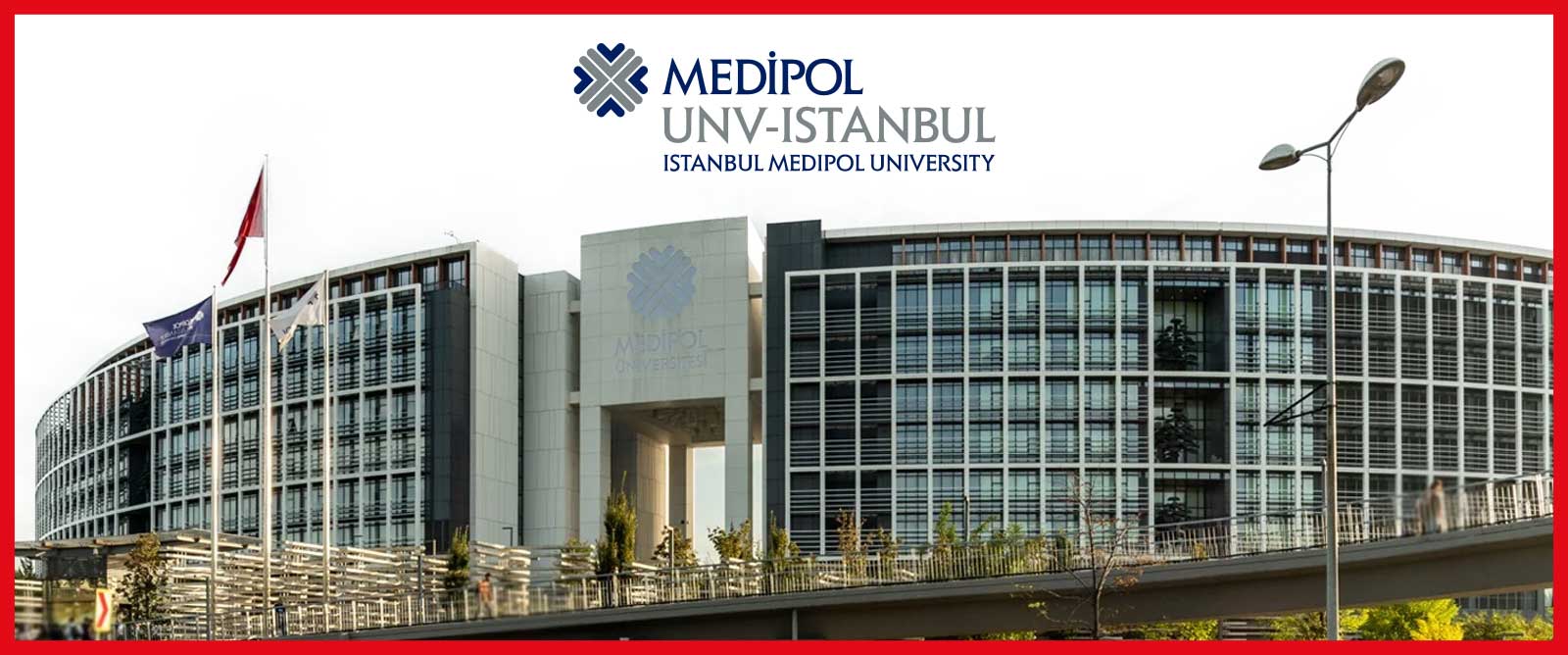
Ankara Medipol University

Associate of Physiotherapy (English)

Ankara, Turkey
2 Years Associate English USD 2250/yr
Home Ankara Medipol University Associate of Physiotherapy (English)

Associate of Physiotherapy (English) is a 2-year Associate program offered by Ankara Medipol University in Ankara, Turkey. Taught in English. Annual tuition is USD 2250.

Program Details

Duration 2 Years
Degree Associate
Language English
Location Ankara, Turkey
Intake January, August

Associate of Physiotherapy (English) — At a Glance

AttributeDetails
Program NameAssociate of Physiotherapy (English)
UniversityAnkara Medipol University
Degree LevelAssociate
LocationAnkara, Turkey
Duration2 Years (Full-time)
Language of InstructionEnglish
Annual Tuition FeeUSD 2,250
Intake PeriodsJanuary, August
IELTS RequirementNot Specified
TOEFL RequirementNot Specified
Study ModeFull-time, On-campus
AccommodationAvailable

Tuition & Fees

Annual Fee USD 2,250
Early bird price: USD 2,025

Program Overview

Associate of Physiotherapy (English), Ankara Medipol University

Movement is the quiet miracle that lets humans hug, dance, climb stairs, and simply breathe without thinking, and the Associate of Physiotherapy (Fizyoterapi Önlisans) trains the hands-on healers who restore that miracle when injury, illness, or age steal it away. Students spend two years with their palms on real bodies—learning to feel the subtle catch of a frozen shoulder, the protective spasm guarding a herniated disc, or the triumphant glide when a joint finally releases after weeks of careful mobilisation. From the first practical they discover why a 3-degree shift in knee angle can cut pain 40 % in osteoarthritis, how a perfectly timed taping strips supports a sprained ankle without weakening muscles, or why breathing retraining alone can reduce panic attacks in chronic lung patients more effectively than medication alone. Labs become living classrooms: one moment they’re guiding a stroke survivor through mirror therapy that tricks the brain into re-learning arm movement, the next applying ultrasound that penetrates exactly 4 cm to break down scar tissue around a tennis elbow, or designing aquatic programmes where buoyancy lets arthritic hips move freely for the first time in years. First semester builds the science—mastering neuroanatomy well enough to predict which nerve root compression causes foot drop, understanding biomechanics that explain why flat feet cascade into lower-back pain, and learning manual techniques that mobilise a cervical facet with millimetre precision to relieve migraine-level headaches. Second year unleashes clinical creativity: creating vestibular rehabilitation sequences that stop the world spinning for vertigo patients in three sessions, designing post-mastectomy programmes that restore shoulder range while addressing lymphoedema and body-image grief, or building paediatric plans that turn cerebral palsy stiffness into playful movement through neurodevelopmental treatment. Instructors, practising physiotherapists who have watched paralysed patients take first steps after spinal cord injury or elite athletes return to competition months ahead of schedule, bring raw emotion—a grandmother dancing at her granddaughter’s wedding because hip replacement rehab was perfect, or a teenager playing football again after ACL reconstruction because proprioception training rebuilt confidence as much as strength. Projects grow profoundly personal: one team designs a home programme that lets bed-bound elders regain toilet independence in six weeks, another creates workplace ergonomics packages that cut repetitive strain claims 60 % in factories, while a third builds virtual-reality balance games that make falling-risk patients laugh while retraining their brains. Evidence-based practice is relentless—students critique randomised trials before breakfast, run pre/post outcome measures on every patient, and adjust techniques when the latest Cochrane review says the old way no longer holds. Digital tools are second nature: using wearable sensors that track gait symmetry in real time, 3D motion capture that spots compensations invisible to the naked eye, or tele-rehabilitation platforms that let rural patients receive expert care from hundreds of kilometres away. Sustainability and accessibility weave through everything—designing low-cost resistance bands from recycled materials, creating group classes that treat ten patients as effectively as one-to-one, or building community walking programmes that prevent diabetes more powerfully than any pill. Graduates emerge ready to serve as physiotherapy technicians who reduce pain and restore function in hospitals and private clinics, rehabilitation specialists who guide stroke and spinal patients back to independence, or sports physiotherapists who keep athletes competing at peak while preventing burnout injuries. Many become paediatric experts who help children with developmental delays reach milestones parents feared were impossible, geriatric specialists who add healthy years to ageing lives through balance and strength, or women’s health physiotherapists who treat pelvic pain that medicine too often dismisses. The program deliberately forges the rare blend of scientific precision, endless patience, and genuine human connection that physiotherapy demands—knowing when to push a patient to tears because one more rep will mean walking unaided, when to stop because pain is teaching the wrong lesson, and how to celebrate tiny victories that feel like climbing mountains. As populations age, chronic diseases rise, and technology offers new tools for recovery, these professionals become the essential restorers of human movement—turning “I can’t” into “watch me” one careful, compassionate, life-changing session at a time.

Join 10+ students

Study Associate of Physiotherapy (English) at Ankara Medipol University

Apply Now

Admission Requirements

Not Specified
Get 15% Discount →
Not Specified
Learn More →
Not Specified
Learn More →

About Ankara Medipol University

Students 10+
Type University
Accommodation Available

Other Universities Offering This Program

Curriculum

Anatomy and Physiology
Kinesiology and Biomechanics
Medical Terminology
Electrotherapy and Physical Modalities
Manual Therapy Techniques
Exercise Therapy
Neurological Rehabilitation
Orthopaedic Rehabilitation
Cardiopulmonary Physiotherapy
Paediatric Physiotherapy
Geriatric Physiotherapy
Sports Physiotherapy
Hydrotherapy
Patient Assessment and Clinical Reasoning
Professional Ethics in Physiotherapy
Clinical Practice and Internship in Physiotherapy Departments

Unsure where to start?

Get end-to-end study abroad assistance, for FREE!

Help me Decide

Need help applying?

Our counselors will guide you through the process.

Request Callback

Frequently Asked Questions 20 Questions

Tuition & Fees

What is the tuition fee for the Associate of Physiotherapy (English) program at Ankara Medipol University?

The annual tuition fee for the Associate of Physiotherapy (English) program at Ankara Medipol University is USD 2,250. This fee covers the cost of instruction and access to various educational resources during the two-year program.

Tuition & Fees

Are there any scholarships available for international students at Ankara Medipol University?

Ankara Medipol University offers various scholarships to support international students, although specific details may vary by program. It is advisable to check the university's official website or contact the admissions office for the latest scholarship opportunities related to the Associate of Physiotherapy program.

Tuition & Fees

What payment plans are available for the tuition fees at Ankara Medipol University?

At Ankara Medipol University, students can typically inquire about flexible payment plans for tuition fees. This can help ease the financial burden while pursuing the Associate of Physiotherapy (English) program, allowing students to manage their payments over the academic year.

Tuition & Fees

Is financial aid available for international students studying at Ankara Medipol University?

Financial aid options may be available for international students at Ankara Medipol University, but eligibility and specifics can vary. Students are encouraged to reach out to the financial aid office for detailed information regarding funding opportunities for the Associate of Physiotherapy program.

Admission

What are the admission requirements for the Associate of Physiotherapy program at Ankara Medipol University?

To gain admission to the Associate of Physiotherapy program at Ankara Medipol University, applicants generally need to hold a high school diploma or equivalent. Additional requirements may include personal statements or interviews, so it's best to review the specific admission criteria on the university's website.

Admission

How can I apply for the Associate of Physiotherapy (English) program at Ankara Medipol University?

International students can apply for the Associate of Physiotherapy (English) program at Ankara Medipol University through the university's online application portal. It is important to complete the application form and submit all required documents before the deadline.

Admission

What documents do I need to submit for admission to Ankara Medipol University?

For admission to the Associate of Physiotherapy program at Ankara Medipol University, students typically need to provide a completed application form, high school transcripts, and proof of identity. Additional documentation may be required, so checking the specific admission guidelines is recommended.

Admission

Are there any language test requirements for international students at Ankara Medipol University?

Ankara Medipol University does not specify IELTS or TOEFL requirements for the Associate of Physiotherapy program, but students may need to demonstrate English proficiency through alternative means. It's advisable to verify current language requirements directly with the admissions office.

Academic

What subjects are included in the curriculum for the Associate of Physiotherapy program at Ankara Medipol University?

The curriculum for the Associate of Physiotherapy program at Ankara Medipol University includes subjects such as Anatomy and Physiology, Kinesiology and Biomechanics, and Manual Therapy Techniques, among others. Students will gain comprehensive knowledge and hands-on experience to prepare for a career in physiotherapy.

Academic

What career prospects can I expect after graduating from the Associate of Physiotherapy program at Ankara Medipol University?

Graduates of the Associate of Physiotherapy program from Ankara Medipol University can pursue various career paths, including roles in rehabilitation centers, hospitals, and private practices. The hands-on training provided equips students to effectively assist patients in restoring movement and functionality.