
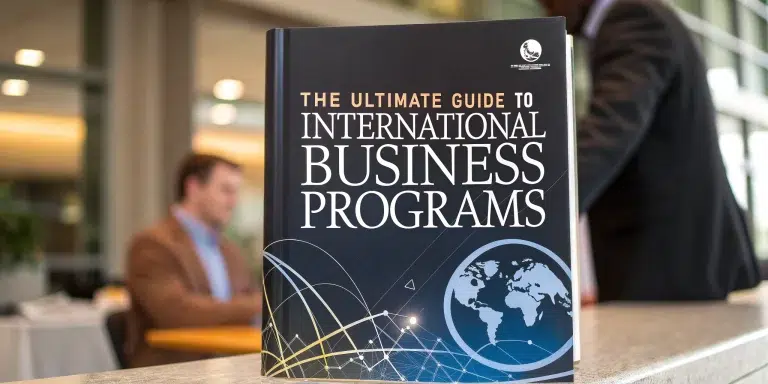
The Ultimate Guide to International Business Programs
What Do You Study in International Business?
Careers After International Business
Is International Business Hard to Study?
Top Certifications After International Business Graduation
Where to Study International Business
What is International Business?
International Business encompasses the study of business practices, strategies, and concepts while focusing on global markets. This field examines how businesses operate beyond their home countries, paying close attention to the dynamics of international trade, competitive advantages, and cross-border economic relationships. Students in this program will learn how cultural, political, and legal factors can affect business operations internationally.
The scope of International Business is broad, covering areas such as global marketing strategies, foreign investment, international finance, and the impact of globalization on local practices. It prepares graduates for a fast-paced, multicultural work environment and provides them with the analytical tools needed to navigate the challenges of international commerce.
What Do You Study in International Business?
Core Subjects
International Business programs typically include a well-rounded curriculum featuring core subjects designed to provide a solid foundation in business principles. Key areas of study usually cover:
- International Trade: Understanding trade theories, balance of payments, trade barriers, and trade agreements.
- Global Marketing: Strategies for marketing products and services in diverse cultural and economic settings.
- International Finance: Foreign exchange markets, financial management practices in a global context, capital investment decisions, and risk management.
- Cross-Cultural Management: Managing a multicultural workforce and understanding the nuances of different international business practices.
- Economics: Macro and microeconomic principles applied to the international market.
Elective Courses
In addition to core courses, students may be able to select from a variety of electives, allowing them to tailor their education to their interests. Common elective options include:
- Sustainable Business Practices
- Digital Marketing in a Global Context
- International Business Law
- Emerging Markets
- Business Negotiation across Cultures
Labs, Workshops, and Internships
Many International Business programs emphasize practical experience through internships, labs, and workshops, further enhancing students’ learning outcomes. This hands-on approach usually involves:
- Internships: Working in multinational corporations or export-import firms, where students can apply theoretical knowledge in real-world scenarios.
- Workshops: Interactive sessions focusing on negotiation skills, international business planning, and global leadership strategies.
- Study Abroad Programs: Opportunities to study in partner institutions overseas, providing firsthand exposure to different business cultures and practices.
Careers After International Business
Graduates of International Business programs are well-prepared for a variety of career paths in diverse industries. They can pursue job opportunities in multinational corporations, government agencies, non-profits, and more. Common job titles and potential sectors include:
Job Titles
- International Marketing Manager
- Business Consultant
- Global Supply Chain Manager
- Financial Analyst (International Markets)
- Trade Compliance Specialist
- Export Sales Manager
Industries
- International Trade and Logistics
- Marketing and Advertising
- Finance and Banking
- Consulting
- Non-Governmental Organizations (NGOs)
Average Salaries Globally
Salary expectations can vary significantly based on location, industry, and level of experience. However, here are some average salary ranges for various roles within the field of International Business:
- International Marketing Manager: USD 75,000 – 120,000 (EUR 65,000 – 105,000)
- Business Consultant: USD 70,000 – 110,000 (EUR 60,000 – 95,000)
- Global Supply Chain Manager: USD 80,000 – 130,000 (EUR 70,000 – 115,000)
- Financial Analyst: USD 65,000 – 95,000 (EUR 55,000 – 80,000)
- Export Sales Manager: USD 70,000 – 100,000 (EUR 60,000 – 85,000)
Is International Business Hard to Study?
Studying International Business can be challenging due to its diverse curriculum and the complexity of its subject matter. Key challenges students may face include:
- Understanding Global Markets: The fluctuations in different markets can complicate analysis and predictions.
- Cultural Differences: Navigating varying norms and practices can be daunting, especially in cross-cultural management scenarios.
- Quantitative Skills: Courses in international finance and economics often require strong mathematical skills.
Required Skills
To succeed in International Business, students should develop the following skills:
- Analytical Thinking: Being able to interpret complex data and market trends.
- Communication Skills: Proficiency in languages and understanding cultural nuances enhances effectiveness in diverse environments.
- Adaptability: Flexibility and openness to new ideas, processes, and cultural practices are crucial.
- Critical Thinking: Ability to make informed decisions based on global economic conditions and business scenarios.
Preparation Tips
- Stay Informed: Regularly read international news and market reports to keep abreast of global economic changes.
- Engage with Cultural Activities: Participate in cultural events or workshops to better understand diversity.
- Develop Language Skills: Learning a second language can open doors in international business environments.
Top Certifications After International Business Graduation
Graduating from an International Business program may require pursuing additional certifications or licenses to enhance career prospects. Essential certifications include:
- Certified International Trade Professional (CITP): This certification provides knowledge on global trade practices and is valuable for those planning to work in trade.
- Project Management Professional (PMP): Beneficial for professionals aiming for management careers.
- International Business Management Certificates: Offered by various institutions, these can be specialized in specific areas like finance or trade.
- Supply Chain Management Certifications: To specialize further in global logistics and supply chain operations.
Where to Study International Business
Several esteemed universities offer International Business programs. Here are some of the top private universities you can consider:
These institutions provide robust academic frameworks, experienced faculty, and opportunities for international exposure.
Take the Next Step with Study in Turkiye
If you’re interested in pursuing an International Business program or if you have any questions, reach out to Study in Turkiye for personalized assistance. We can help guide you through your options and the process to ensure you make an informed decision on your educational journey.

