
Early Childhood Education Degrees: Overview
- What is Early Childhood Education?
- What Do You Study in Early Childhood Education?
- Careers After Early Childhood Education
- Is Early Childhood Education Hard to Study?
- Top Certifications After Early Childhood Education Graduation
- Where to Study Early Childhood Education
- Take the Next Step with Study in Turkiye
What is Early Childhood Education?
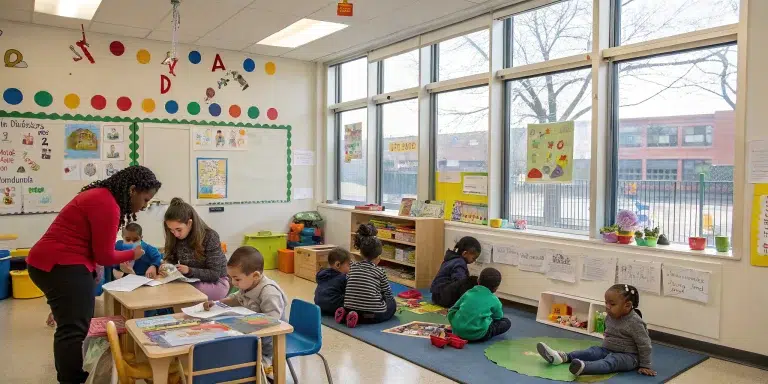
Early Childhood Education (ECE) focuses on the educational processes and frameworks that facilitate the development and learning of young children. These programs aim to equip future educators with the skills and knowledge necessary to create nurturing and effective learning environments for children. ECE professionals work in various settings, including preschools, kindergartens, childcare programs, and educational agencies, engaging with families and communities to foster optimal growth for young learners.
What Do You Study in Early Childhood Education?
Core Coursework
Students enrolled in ECE degree programs typically engage in a blend of general education courses along with specialized studies centered on child development and effective teaching practices. The curriculum usually includes the following core subjects:
- Child Development Principles and Theories: Understanding how children learn and develop cognitively, socially, and emotionally.
- Early Childhood Literacy and Language Development: Strategies for promoting literacy and communication skills in young children.
- Curriculum Design for Young Children: Techniques for creating age-appropriate and developmentally suitable educational programs.
- Guidance and Classroom Management Strategies: Approaches for managing classroom environments and supporting positive behavior.
- Cultural Diversity in Educational Settings: Addressing varied cultural backgrounds and ensuring inclusivity in the classroom.
- Education of Exceptional Children: Training on how to support children with special needs and developmental disabilities.
- Partnerships with Families and Communities: Building strong relationships with parents and community organizations.
- Introduction to Computers and Educational Technology: Utilizing technology to enhance learning.
- Mathematics, Science, and Social Science Concepts for Early Learners: Providing foundational mathematics and science concepts for young children.
Elective Courses
To enrich their knowledge and skills, students may also choose from elective courses that allow for specialization in certain areas, such as:
- Supporting Children with Special Needs: Methods for effectively managing and teaching kids with diverse learning requirements.
- Culturally Responsive Teaching: Techniques for addressing the unique needs and backgrounds of each child in the classroom.
- Assessment Techniques in Early Childhood Education: Learning about various assessment tools and strategies for evaluating young learners.
Labs, Workshops, and Internships
Practicals are a critical part of ECE programs. Students often engage in hands-on learning opportunities, including:
- Internships: Real-world experience in schools or childcare centers, allowing students to apply their coursework in a practical setting.
- Workshops: Interactive sessions led by experienced educators, focusing on specific skills such as classroom management or literacy strategies.
- Laboratories: If applicable, the use of specialized labs for exploring child development in a controlled environment, where students can observe and practice teaching methods.
Careers After Early Childhood Education
Graduates of Early Childhood Education programs have a wide array of career options available to them. Some common career paths include:
- Preschool Teacher
- Kindergarten Teacher
- Childcare Center Director or Administrator
- Early Intervention Specialist
- Family Support Specialist
- Program Coordinator for Childcare or Head Start Programs
Salary Expectations
The average salary for ECE graduates varies based on experience, location, and specific job role. Below is a general breakdown of salary ranges worldwide:
- Preschool Teacher: $30,000 – $55,000 (USD) / €25,000 – €47,000 (EUR)
- Kindergarten Teacher: $35,000 – $60,000 (USD) / €30,000 – €50,000 (EUR)
- Childcare Center Director: $40,000 – $75,000 (USD) / €35,000 – €65,000 (EUR)
- Early Intervention Specialist: $40,000 – $65,000 (USD) / €35,000 – €55,000 (EUR)
Is Early Childhood Education Hard to Study?
Studying Early Childhood Education presents several challenges. Here are some common difficulties students may encounter:
- Emotional Demands: Working with young children requires a strong emotional foundation, as students may need to deal with various behavioral and emotional issues.
- Curriculum Design: Creating age-appropriate lessons can be daunting, especially when considering diverse learning needs and backgrounds.
- Classroom Management: Learning to manage a classroom effectively while fostering a positive environment is crucial and sometimes challenging.
Required Skills
To succeed in Early Childhood Education, students should develop the following skills:
- Strong Communication: Ability to interact effectively with children, parents, and colleagues.
- Creativity and Flexibility: Skills to adapt lesson plans based on children’s reactions and learning styles.
- Patience and Compassion: Traits necessary for working with young children, who may present unique challenges.
- Organizational Skills: Management of lesson plans, classroom resources, and communications with families.
Preparation Tips
- Gain experience working with children, whether through volunteer work, internships, or part-time jobs.
- Engage in workshops and seminars on child development and teaching strategies to familiarize yourself with current best practices.
- Develop strong time management skills to balance coursework, practical experiences, and personal commitments.
Top Certifications After Early Childhood Education Graduation
After graduating from an Early Childhood Education program, obtaining relevant certifications can enhance employability and official credentials. Here are some essential certifications:
- Child Development Associate (CDA): A nationally recognized credential that demonstrates knowledge in early childhood education.
- National Board Certification for Early Childhood Teachers: An advanced professional certification that validates skills and knowledge in the field.
- State Teaching Licensure: Required in many regions to work as a public school teacher, involves passing specific exams related to educational practices.
Where to Study Early Childhood Education
Several universities offer comprehensive ECE programs, ensuring students receive quality education. Here are some top private universities to consider:
Medipol University
Ankara, Turkiye
Istinye University
Istanbul, Turkiye
Aydin University
Istanbul, Turkiye
Beykent University
Istanbul, Turkiye
These institutions offer programs tailored to equip aspiring educators with the knowledge and skills necessary for success in the dynamic field of Early Childhood Education.
Take the Next Step with Study in Turkiye
If you are considering a degree in Early Childhood Education and require personalized assistance in navigating your options, reach out to Study in Turkiye today. Our team is here to help you find the right academic program to suit your aspirations and career goals.

