
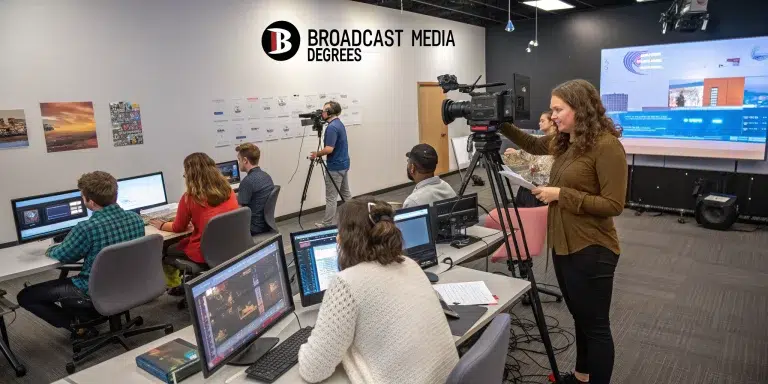
Broadcast Media Degrees: Curriculum Insights & Careers
What is Broadcast Media?
Broadcast media refers to the transmission of audio or video content to a wide audience via television, radio, and digital platforms. This field encompasses a variety of roles that range from content creation to production management, journalism, and advertising. Students in broadcast media programs learn how to effectively communicate using various media formats, understand industry standards, and navigate the technological advancements that shape broadcasting.
What Do You Study in Broadcast Media?
Core Curriculum
The broadcast media curriculum blends general education with specialized courses aimed at honing theoretical knowledge and practical skills. Below are some core subjects commonly included in these degree programs:
- Introduction to Broadcasting: Overview of broadcasting history, key figures, and economic forces shaping the industry.
- Media Law and Ethics: Examination of legal principles governing broadcasting, including intellectual property rights and media ethics.
- Communication Theory: Understanding various theories and techniques of communication applicable in journalism, advertising, and media.
Specialized Courses
Students can delve into specialized areas through elective courses in different broadcasting aspects:
Technical Skills Development
- Audio Production: Covers digital audio production techniques, encompassing sound recording and editing.
- Video Editing and Production: Focuses on software proficiency and editing theories such as montage and cut sequencing.
- Live Broadcast Production: Offers hands-on experience in real-time announcing and show production techniques.
Content Creation and Writing
- News Writing for Broadcast: Develops journalistic writing skills specific to broadcast formats, adhering to standards like AP style.
- Scriptwriting for Media: Emphasizes the creation of compelling scripts for various broadcasting formats.
- Interview Techniques: Teaches methods for conducting dynamic interviews across different media platforms.
Business and Management
- Broadcast Programming and Scheduling: Exploration of how to effectively manage and schedule content for broadcast stations.
- Advertising Practices in Broadcasting: Examination of advertising strategies and their role in broadcasting economics.
- Public Relations in Media: Introduces students to public relations strategies and techniques tailored for broadcasting.
Labs, Workshops, and Internships
Many programs also incorporate practical elements such as:
- Production Labs: Hands-on workshops where students engage in live studio work and content production.
- Internship Opportunities: Partnerships with local media stations and networks, allowing students valuable on-the-job experience.
Careers After Broadcast Media
Graduating from a broadcast media program opens the door to various career pathways. Below are some potential job titles, industries, and average salary ranges.
Job Titles and Sectors
- News Reporter: Reporting on local, national, or international events for television or online outlets.
- Broadcast Producer: Overseeing the production process for news or entertainment broadcasts.
- Media Content Creator: Developing content for online platforms, including podcasts and social media.
- Video Editor: Editing footage for television shows, films, or digital media.
- Public Relations Specialist: Managing communication strategies for organizations, focusing on media relations.
Salary Ranges
- News Reporter: $45,000 – $70,000 (Approx. €37,000 – €60,000)
- Broadcast Producer: $60,000 – $90,000 (Approx. €50,000 – €75,000)
- Media Content Creator: $50,000 – $80,000 (Approx. €41,000 – €67,000)
- Video Editor: $40,000 – $70,000 (Approx. €33,000 – €58,000)
- Public Relations Specialist: $50,000 – $85,000 (Approx. €41,000 – €70,000)
Salaries can greatly vary based on the level of experience, specific job requirements, and geographical location. The demand for skilled professionals in the broadcasting industry remains robust, driven by the continued growth of digital media.
Is Broadcast Media Hard to Study?
Studying broadcast media presents its unique set of challenges. Here are common difficulties students may face, along with essential skills and preparation tips.
Common Challenges
- Technical Proficiency: Students must become adept with various media production tools and software. This may require significant self-study and practice.
- Time Management: The demanding nature of production schedules can be overwhelming, necessitating strong organizational skills.
- Staying Updated: The fast-paced evolution of technology and trends in media requires students to continuously learn and adapt.
Required Skills
- Strong Communication Skills: Essential for effectively conveying ideas in both written and spoken formats.
- Creativity and Innovation: Necessary for content creation and developing engaging material.
- Analytical Thinking: Important for evaluating media messages and understanding audience impacts.
Preparation Tips
- Practice Regularly: Engage with media creation tools outside of class. Start a blog, create a podcast, or develop video content.
- Network: Establish connections with professionals in the field through internships or attendance at industry events.
- Engage in Group Projects: Collaborating with peers can enhance learning experiences and foster skill development in team settings.
Top Certifications After Broadcast Media Graduation
While a degree provides foundational knowledge, certain certifications can enhance job prospects and credibility in the media industry:
- Broadcast Journalism Certification: Offered by various organizations, this certification demonstrates proficiency in broadcast journalism.
- Certified Broadcast Meteorologist (CBM): For those interested in weather broadcasting, this certification establishes expertise in meteorological science.
- Adobe Certified Expert (ACE): Recognized globally, this certification attests to advanced skills in Adobe software, crucial for video editing and production.
- Emergency Management Certification: Beneficial for those planning to work in crisis communication and management, especially in a news context.
Where to Study Broadcast Media
Students looking to pursue a degree in broadcast media should consider the following universities, renowned for their extensive programs in this field:
These institutions provide comprehensive degrees tailored to equip students with the tools necessary for a successful career in broadcast media.
Take the Next Step with Study in Turkiye
For personalized assistance in navigating your options or further inquiries regarding broadcast media programs, please reach out to SIT Search. We are here to support your academic journey!

