
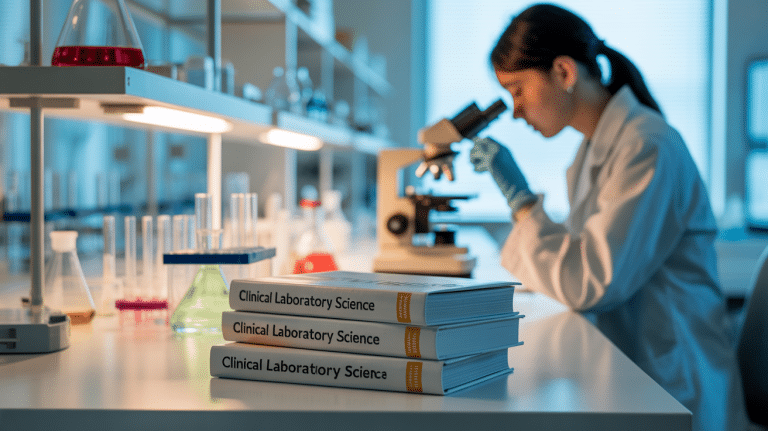
Clinical Laboratory Science: A Comprehensive Guide to the Program
What is Clinical Laboratory Science?
Clinical Laboratory Science (CLS) is a discipline that focuses on the analysis of biological specimens to provide diagnostic, prognostic, and therapeutic information. Students in this field study the underlying science of clinical laboratory testing, including the performance and interpretation of tests that are crucial in healthcare settings.
A Clinical Laboratory Science program typically culminates in a Bachelor of Science degree, designed to equip students with the theoretical knowledge and practical skills needed to function effectively in clinical laboratories. Programs are often accredited and lead to national certification, ensuring graduates meet industry standards.
What Do You Study in Clinical Laboratory Science?
The curriculum of a Clinical Laboratory Science degree is comprehensive and divided into several key components, usually structured in a way that enhances both theoretical knowledge and practical skill sets. Students will engage in various forms of learning, including core subjects, elective courses, and hands-on experiences like labs and internships.
Core Subjects
- General Education Requirements: These foundational courses cover an array of subjects aimed at providing a broad educational background. Typical subjects include:
- English Composition
- Humanities
- Social Sciences
- Basic Sciences: Fundamental courses designed to build essential scientific knowledge, including:
- Biology
- Chemistry (including Organic and Analytical Chemistry)
- Physics
- Advanced Sciences: Specialized courses that delve deeper into the principles and techniques used in laboratory practice, including:
- Medical Microbiology
- Hematology
- Clinical Biochemistry
- Immunology
- Clinical Laboratory Management
Elective Courses
Students may also choose from a variety of electives that align with their interests or career goals, such as:
- Molecular Diagnostics
- Quality Assurance in Clinical Laboratory Science
- Laboratory Informatics
Labs, Workshops, and Internships
A distinctive aspect of the Clinical Laboratory Science program is the hands-on experience students receive through laboratories and clinical internships. These practical components allow students to apply their knowledge in real-world settings.
- Laboratories: Rigorous lab components are integrated into the curriculum where students practice various techniques and methodologies related to clinical testing.
- Clinical Practicum/Internship: Typically occurring in the final year of study, this involves 12 months of clinical internship at an accredited hospital or clinical laboratory, where students gain valuable hands-on experience in a professional environment.
Careers After Clinical Laboratory Science
Graduating with a degree in Clinical Laboratory Science opens up various career paths given the current high demand for trained professionals in diagnostic laboratories.
Potential Job Titles
- Clinical Laboratory Scientist
- Medical Technologist
- Laboratory Manager
- Research and Development Chemist
- Quality Control Analyst
- Educator in Clinical Laboratory Science
Industries and Sectors
Graduates can find employment in various sectors:
- Hospitals
- Private diagnostic laboratories
- Research laboratories
- Public health organizations
- Pharmaceutical companies
- Educational institutions
Average Salaries
Salaries in the Clinical Laboratory Science field can vary significantly based on location, level of experience, and specific roles. On average, a Clinical Laboratory Scientist can expect the following salary ranges:
- United States: Approx. $60,000 – $75,000 (USD) per year
- European Union: Approx. €45,000 – €55,000 (EUR) per year
- Turkiye: Approx. TRY 25,000 – TRY 45,000 annually, reflecting a growing demand for healthcare professionals in the region.
Top Certifications After Clinical Laboratory Science Graduation
Upon completing a Clinical Laboratory Science program, aspiring professionals may need to acquire relevant certifications which generally enhance employment prospects.
- Board of Certification (BOC): Offered by the American Society for Clinical Pathology (ASCP), it is a widely recognized certification in the U.S.
- National Certification from the American Medical Technologists (AMT): Another valuable certification indicating proficiency.
- State Licensure: Some regions may require state licensing which differs by location, so checking local regulations is advisable.
Where to Study Clinical Laboratory Science
Several esteemed universities offer Clinical Laboratory Science programs that adhere to high standards of education and training. Here’s a selection of top institutions where students can pursue this program:
These universities provide comprehensive education and training in Clinical Laboratory Science, preparing students for rewarding careers in healthcare.
Take the Next Step with Study in Turkiye
If you are interested in pursuing a career in this dynamic healthcare field, reach out to Study in Turkiye for personalized guidance in navigating your academic journey and selecting the program that fits your career aspirations best.

