
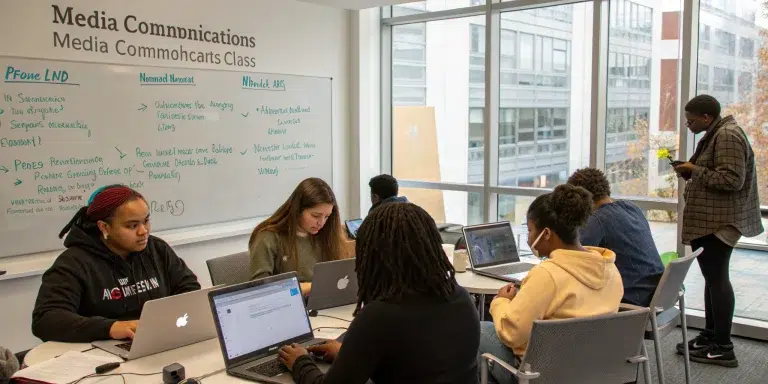
Overview of Media Communications Degrees
What is Media Communications?
Media Communications is a specialized academic program that focuses on understanding and creating various media forms. It emphasizes the intersection of communication theory and practical skills, allowing students to critically analyze media content and its societal impacts.
What Do You Study in Media Communications?
Core Subjects and Elective Courses
The curriculum for a Media Communications degree typically includes a combination of core subjects and elective courses that cover a wide range of media-related topics. Below is a breakdown of the main areas of study:
1. Media and Communication Theory
Overview: This foundational course introduces students to significant theories and models that explain how communication works across different media platforms.
Skills Developed: Critical thinking, analytical abilities, and understanding of messaging and branding.
2. Media History and Culture
Overview: Students explore the evolution of media, focusing on cultural contexts and societal implications.
Skills Developed: Historical analysis, cultural critique, and awareness of social justice issues in media representation.
3. Visual Communication
Overview: Coursework covers design principles and production techniques for various media formats including photography, video, and graphic design.
Skills Developed: Visual literacy, creativity, and technical production skills.
4. Practical Production Skills
Overview: Students engage in project-based learning that emphasizes storytelling, content creation, and media production across multiple platforms.
Skills Developed: Hands-on experience in producing multimedia content and effective research methodologies.
5. Social Media and Digital Strategies
Overview: This area focuses on the strategic development and management of social media campaigns tailored to current industry demands.
Skills Developed: Digital marketing, social media management, and audience engagement strategies.
6. Public Relations and Professional Communication
Overview: Training in this discipline includes managing communications for organizations and crafting effective presentations.
Skills Developed: Public relations management, professional writing, and presentation skills.
Labs, Workshops, and Internships
Many Media Communications programs incorporate labs and workshops where students can gain practical experience using industry-standard tools and technologies. Additionally, internships are often part of the curriculum, providing students with real-world experience in media production, communications, and related fields.
Careers After Media Communications
Graduates with a Media Communications degree are equipped for a diverse range of careers in various sectors, including media production, public relations, marketing, and more. Common career paths include:
- Media Production Specialist
- Social Media Manager
- Public Relations Officer
- Marketing and Advertising Executive
- Media Strategist
- Journalist or Reporter
- Content Producer
Average Salaries
Salaries can vary significantly based on the role, location, and level of experience. Below are average salary ranges for selected job titles:
- Media Production Specialist: $40,000 – $70,000 (USD) / €35,000 – €60,000
- Social Media Manager: $45,000 – $85,000 (USD) / €40,000 – €75,000
- Public Relations Officer: $50,000 – $90,000 (USD) / €45,000 – €80,000
- Marketing and Advertising Executive: $50,000 – $100,000 (USD) / €45,000 – €90,000
- Journalist or Reporter: $30,000 – $65,000 (USD) / €28,000 – €58,000
Is Media Communications Hard to Study?
The complexity of studying Media Communications can vary depending on individual interests and strengths. Common challenges include grasping theoretical concepts, mastering technical production skills, and keeping up with rapid changes in media technology. However, students who possess strong analytical skills, creativity, and a passion for communication can excel.
Common Skills Required
- Critical Thinking: The ability to analyze media critically and develop thoughtful arguments.
- Creativity: Innovative thinking for media production and campaign development.
- Technical Skills: Proficiency in various media production tools, including video editing software and design applications.
Preparation Tips
- Engage in Practical Projects: Seek out opportunities for hands-on experience, whether through internships, workshops, or personal projects.
- Stay Updated on Media Trends: Follow industry news and case studies to understand current trends and evolving practices in media communication.
- Develop Strong Writing Skills: Focus on enhancing both written and verbal communication skills, which are critical in this field.
Top Certifications After Media Communications Graduation
While a degree in Media Communications equips students with essential skills, obtaining additional certifications can enhance employability and career advancement. Important certifications include:
- Certified Digital Marketing Professional (CDMP): Aims to equip professionals with essential skills in digital marketing strategies.
- Public Relations Society of America (PRSA) Accreditation: Recognizes professionals in the public relations sector and signifies proficiency in the field.
- Google Analytics Certification: Provides expertise in web analytics tools, crucial for marketers and social media managers.
- Adobe Certified Expert (ACE): Validates proficiency in Adobe software like Photoshop, InDesign, and Premiere Pro, essential tools for media production.
Where to Study Media Communications
Several prominent universities offer comprehensive Media Communications programs. Here are some top institutions to consider:
These universities provide strong academic foundations and opportunities for professional development in the field of Media Communications.
Take the Next Step with Study in Turkiye
If you’re considering this pathway or need personalized help in choosing the right program, feel free to reach out to Study in Turkiye for assistance tailored to your academic goals.

