
Wildlife Biology Programs: Curriculum & Career Paths
What is Wildlife Biology?
Wildlife Biology is an academic discipline focused on the study and conservation of wildlife and their habitats.
This program incorporates knowledge from various fields such as zoology, botany, earth sciences, and chemistry. The curriculum aims to provide students with a deep understanding of the ecology and behavior of wildlife, as well as the tools necessary for their conservation and management. Students gain insights into both terrestrial and aquatic ecosystems, exploring biodiversity and the dynamics of animal and plant communities.
Graduates of Wildlife Biology programs are equipped to address both ecological challenges and human impacts on wildlife species. With ongoing global environmental changes, the demand for skilled professionals in wildlife biology is increasing, making this field not only relevant but essential for future sustainability efforts.
What Do You Study in Wildlife Biology?
Core Coursework
The curriculum for Wildlife Biology programs typically includes a comprehensive foundation in biological sciences along with specialized courses. Here’s a breakdown of what students can expect to study:
- General Biology: Introduction to biological principles, including essential concepts in cell biology, genetics, and evolution.
- Ecology: Study of interactions between organisms and their environments, emphasizing the importance of ecosystem diversity.
- Wildlife Ecology: Focused study on the relationships and dynamics within wildlife populations, and their habitats.
- Wildlife Management: Techniques and strategies for managing wildlife populations in natural settings.
- Natural Resource Conservation: Overview of methods for conserving and managing natural resources sustainably.
- Project Design and Research: Development of research proposals and competencies in conducting field studies on wildlife.
Specialty Courses
In addition to core subjects, students may have the opportunity to take elective courses or concentrations that enhance their education. Examples include:
- Conservation Biology: Principles and practices for conserving biological diversity.
- Zoology: Advanced study of animal biology, physiology, and behavior.
- Botany: Examination of plant life and its role in ecosystems.
- Environmental Policy: An analysis of laws and regulations impacting wildlife conservation.
Labs, Workshops, and Internships
Hands-on experience is a significant aspect of Wildlife Biology education. Students typically participate in:
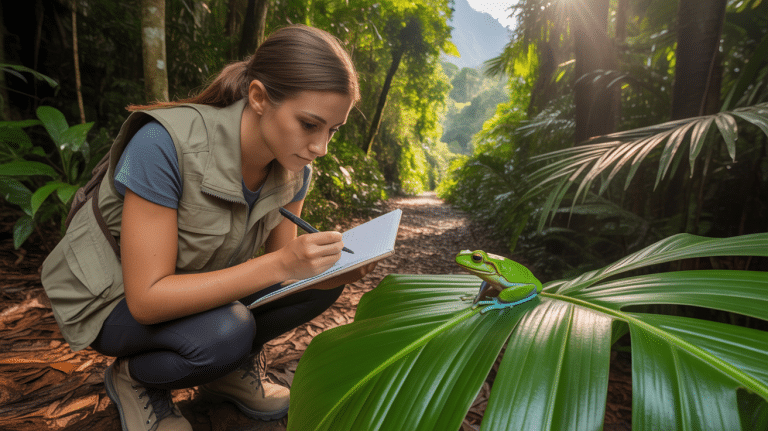
- Fieldwork: Real-world experiences that allow students to observe wildlife in natural habitats, collect data, and practice conservation techniques.
- Laboratories: Hands-on labs provide practical skills in species identification, genetic analysis, and ecological assessment.
- Internships: Many programs offer internship opportunities with conservation organizations, enabling students to gain valuable work experience and build professional networks.
Careers After Wildlife Biology
Graduates from Wildlife Biology programs can look forward to a wide range of career opportunities in various sectors, including government agencies, non-profit organizations, and private industries. Some of the typical job titles include:
- Wildlife Biologist
- Conservation Scientist
- Ecologist
- Environmental Consultant
- Wildlife Refuge Manager
- Research Scientist
- Environmental Educator
- Zoologist
Average Salaries
While salaries can vary widely based on location, position, and experience, here are some average global salary ranges for graduates in this field:
- Wildlife Biologist: $45,000 – $82,000 USD / €38,000 – €68,000 EUR
- Conservation Scientist: $56,000 – $90,000 USD / €48,000 – €76,000 EUR
- Ecologist: $50,000 – $95,000 USD / €42,000 – €81,000 EUR
- Environmental Consultant: $48,000 – $88,000 USD / €40,000 – €74,000 EUR
The increasing focus on sustainability and biodiversity conservation suggests that careers in this field will see continued growth, both in demand and compensation.
Is Wildlife Biology Hard to Study?
Studying Wildlife Biology can be challenging but also rewarding. Here are some common challenges students may face:
- Complex Coursework: The integration of various scientific disciplines can be demanding, requiring strong analytical and critical thinking skills.
- Fieldwork Conditions: Students may need to conduct research in challenging environments, including remote locations and differing weather conditions.
- Evolving Knowledge: Keeping abreast of new research, laws, and ecological practices is vital to stay current in the field.
Required Skills
Successful students in Wildlife Biology typically possess:
- Strong analytical skills
- Proficient communication abilities (both written and verbal)
- A passion for the environment and wildlife
- Ability to work independently and as part of a team
Preparation Tips
To thrive in this program, prospective students are encouraged to:
- Take foundational courses in biology, chemistry, and mathematics before enrolling.
- Gain volunteering or internship experience in wildlife conservation or environmental organizations during high school.
- Stay informed about current issues in conservation biology through journals and news articles.
Top Certifications After Wildlife Biology Graduation
While a degree in Wildlife Biology provides a solid foundation, many careers in this field may require or benefit from additional certifications. Some essential certifications include:
- Certified Wildlife Biologist (CWB): Offered by The Wildlife Society, this certification demonstrates professional competence in wildlife biology.
- Associate Wildlife Biologist (AWB): This is an introductory certification aimed at entry-level professionals.
- Project-related certifications: Various organizations offer certifications related to specific conservation projects or techniques, depending on the area of interest.
Where to Study Wildlife Biology
For students looking to pursue Wildlife Biology, several universities offer excellent programs that emphasize both academic rigor and practical experience. Top private universities include:
By enrolling in one of these institutions, students can access a robust curriculum that prepares them for impactful careers in wildlife biology and conservation.
Take the Next Step with Study in Turkiye
Explore further and take the next step towards your path in Wildlife Biology. Discover programs that match your career aspirations!

