
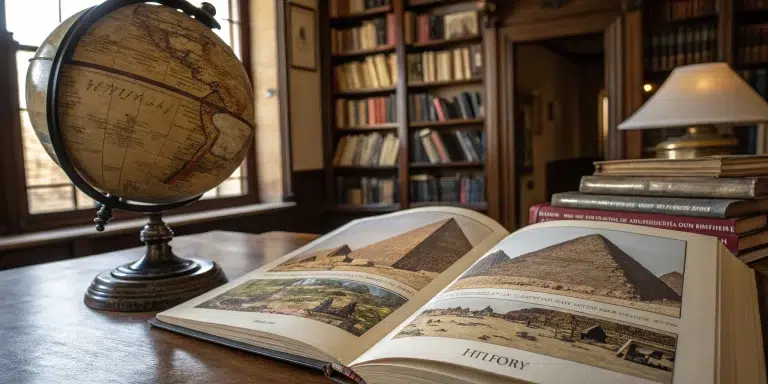
What to Expect in History Programs
What is History?
History is the study of past events, societies, and cultures. It encompasses a wide range of topics, from ancient civilizations to modern-day occurrences, examining how historical events shape the present and influence the future. Students who pursue a degree in history explore various themes such as politics, economics, ideologies, and cultural dynamics. This program is ideal for those interested in critical thinking, analysis, and understanding the complex tapestry of human experience.
What Do You Study in History?
The curriculum of a history program typically includes core subjects and electives that delve into different historical periods, themes, and geographical regions.
Core Subjects
- Introduction to World History: This foundational course provides a broad overview of world events, focusing on significant developments across various civilizations.
- Historiography: This course teaches students about the methodologies and theories of historical writing and interpretation, providing insight into different historical perspectives.
- Western Civilization: A survey of European history from ancient Greece to the present, exploring major events, movements, and figures.
- Non-Western History: Students examine historical developments in Africa, Asia, and Latin America, offering a more comprehensive view of global history.
Elective Courses
- The American Civil War: An in-depth look at the events leading to the Civil War, key battles, and the enduring legacy of this era.
- History of Science and Technology: Investigating how scientific advancements have influenced historical developments and societal changes.
- Women in History: This course focuses on women’s roles, contributions, and experiences in different historical contexts.
- Public History: Exploring how history is presented and interpreted outside of academic settings, such as museums, archives, and historical sites.
Labs, Workshops, and Internships
History programs often incorporate experiential learning components such as:
- Research Projects: Students engage in extensive research, developing critical analytical skills and producing significant written work.
- Internships: Opportunities at museums, archives, and historical societies allow students to apply their knowledge in real-world settings and gain practical experience.
- Workshops: These may focus on skills such as archival research, oral history, and digital history, equipping students with tools to pursue careers in various sectors.
Careers After History
Graduates with a history degree have a diverse range of career opportunities available to them. The skills developed in history programs—such as critical thinking, effective communication, and research abilities—are highly valued across various fields.
Sample Job Titles
- Historian
- Archivist
- Museum Curator
- Educator/Teacher
- Research Analyst
- Government Policy Advisor
- Historical Consultant
- Nonprofit Program Manager
- Writer/Journalist
- Cultural Resource Manager
Industries and Sectors
- Education
- Government
- Nonprofit Organizations
- Museums and Galleries
- Media and Publishing
- Consultancy Firms
- Cultural Heritage Organizations
Average Salaries
- Historian: $62,000 USD / €56,000
- Archivist: $54,000 USD / €48,500
- Museum Curator: $52,000 USD / €47,000
- High School Teacher: $58,000 USD / €53,000
- Research Analyst: $65,000 USD / €59,500
- Policy Advisor: $75,000 USD / €68,000
Note: Average salaries may vary depending on geographic location, experience, and specific roles within each sector.
Is History Hard to Study?
Studying history can present several challenges that students should prepare for:
- Volume of Reading: History students often face extensive reading lists and must navigate dense texts, which can be time-consuming.
- Analytical Skills: Courses demand a strong ability to analyze primary and secondary sources critically, requiring significant practice.
- Writing Skills: Effective historical writing is essential, as students must articulate their arguments clearly and persuasively in research papers and essays.
- Contextual Knowledge: A solid grasp of various historical contexts and events is crucial, necessitating extensive memorization and understanding of interconnected narratives.
Preparation Tips
- Develop Reading Habits: Regularly reading history books, articles, and journals can help students improve their comprehension and analytical skills.
- Engage in Discussions: Participating in study groups or discussions can enhance understanding and offer diverse perspectives on historical events.
- Practice Writing: Regular writing exercises can improve clarity and coherence in historical arguments.
Top Certifications After History Graduation
While most careers in history do not require formal certifications, certain roles may benefit from specific credentials. Here are some essential certifications that can enhance employability:
- Certified Archivist (CA): This certification from the Academy of Certified Archivists demonstrates expertise in archival methodologies and best practices.
- Museum Studies Certificate: Offered by various institutions, this certification equips graduates with knowledge and skills necessary for curatorial and managerial roles in museums.
- Teaching Certification: For those pursuing a teaching career, obtaining a teaching license is necessary to apply for educational positions at public schools.
Where to Study History
Several private universities offer excellent history programs, including:
These institutions provide robust history curricula and opportunities to engage in varied historical research practices.
Take the Next Step with Study in Turkiye
Ready to embark on your journey through history? Explore the academic offerings in history programs and find the right fit for your interests and career goals.

