
Programs in Istanbul Medipol University
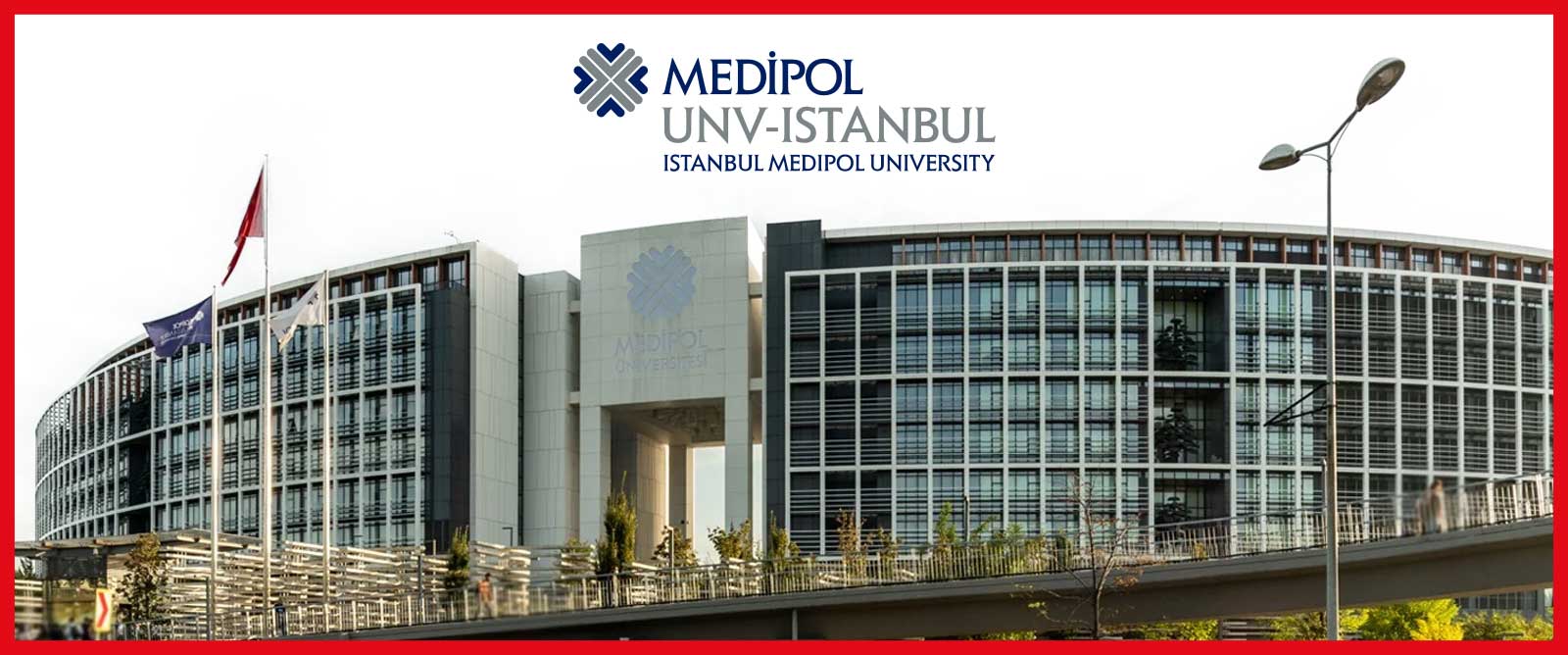
The Associate of Dialysis program offered at Haliç University Levent Campus is a highly specialized and intensively practical two-year vocational health sciences degree specifically created to train competent, compassionate, and immediately employable dialysis technicians who play an irreplaceable life-sustaining role in the treatment of hundreds of thousands of patients with chronic kidney failure throughout Turkey and worldwide. Delivered at one of Istanbul’s most modern and well-equipped health training facilities, the curriculum combines rigorous theoretical education with extensive clinical practice under the supervision of nephrologists and experienced nurses, enabling graduates to operate hemodialysis and peritoneal dialysis equipment safely, monitor patients during treatment, recognize and respond to complications, and provide holistic care in compliance with strict Ministry of Health and international standards. From the first semester, students master core medical sciences including anatomy, physiology, pathophysiology of renal failure, fluid-electrolyte and acid-base balance, pharmacology of dialysis-related medications, microbiology, infection control, and principles of sterile technique, while simultaneously receiving specialized dialysis training covering hemodialysis machine operation (Fresenius 4008S, 5008S, Baxter, Nipro, Gambro), water treatment systems and reverse osmosis units, vascular access management (AV fistula, graft, and central venous catheters), hemodialysis adequacy calculations (Kt/V, URR), anticoagulation protocols with heparin and citrate, initiation and termination procedures, priming and rinsing techniques, alarm troubleshooting, and emergency interventions for hypotension, cramps, air embolism, hemolysis, and dialysis disequilibrium syndrome. A full year is devoted to hands-on clinical skills: students practice cannulation and decannulation on realistic arm models, perform hundreds of supervised needle insertions on real patients during clinical rotations, prepare dialysate solutions, conduct pre- and post-dialysis patient assessments (weight, blood pressure, edema, laboratory interpretation), manage peritoneal dialysis exchanges and catheter care, calculate and administer erythropoietin and iron therapy, and maintain detailed treatment records in electronic health systems used in Turkish hospitals. Training in patient psychology, communication techniques for anxious or non-compliant patients, dietary counseling for low-potassium and low-phosphate diets, and family education is integrated throughout to produce empathetic professionals who understand the lifelong burden of dialysis. Infection prevention receives particular emphasis because of Turkey’s high hepatitis and COVID-era standards: students achieve expert level in hand hygiene, personal protective equipment use, machine disinfection with citric acid and peracetic acid cycles, and environmental cleaning protocols. The Haliç University Levent Campus provides state-of-the-art dialysis simulation laboratories with fully functional machines and realistic mannequins, while mandatory clinical internships totaling over 600 hours are carried out in leading Istanbul hospitals and dialysis centers affiliated with the university (Liv Hospital, Memorial, Acıbadem, Medical Park, and private chains such as FMC, Diaverum, and BBraun centers), giving students direct experience with real patient loads under the Turkish Ministry of Health’s supervision. Upon graduation and successful completion of the national certification process, graduates immediately qualify to work as licensed dialysis technicians in every hemodialysis and peritoneal dialysis unit across Turkey, a country with over 75,000 patients on regular dialysis and more than 1,000 dialysis centers that face a chronic shortage of qualified staff. Most graduates are employed within weeks at university hospitals, state hospitals, private hospital chains, and standalone dialysis clinics in Istanbul, Ankara, İzmir, Antalya, Bursa, Adana, and coastal regions with high retiree populations, while many secure positions in rapidly expanding private dialysis chains that offer above-average salaries, shift premiums, transportation, and meal benefits. The Haliç diploma is especially valued by employers because of the campus’s reputation for producing graduates who require minimal additional orientation and can handle complex cases independently. Starting salaries are among the highest for associate-level health professions in Turkey and increase significantly with night/weekend shifts and experience, often reaching levels comparable to some four-year nursing graduates within a few years. The program also prepares top students for the Vertical Transfer Exam (DGS) to continue into four-year Nursing or Health Management degrees. Socially, dialysis technicians command deep respect and gratitude as the professionals who literally keep patients alive three times a week for four hours at a time, building long-term relationships with patients and families while working as vital members of nephrology teams. In short, the Associate of Dialysis at Haliç University Levent Campus offers one of the most secure, meaningful, and well-compensated health careers available at the two-year level in Turkey, combining cutting-edge technical expertise with genuine human connection and the profound daily satisfaction of extending and improving thousands of lives through expert, compassionate dialysis care.
Annual course fee
Duration
2 YearsStudy Mode
Full-timeIntake
September
The Associate of Interior Design (İç Mimarlık ve Çevre Tasarımı Önlisans) trains creators who can walk into an empty shell and shape the way light falls, how conversations flow, and where memories are made long before furniture arrives. Over two fast-paced years students shift from timid pencil sketches to confident digital models that convince clients to invest millions in a single presentation. Studios become second homes where rolls of tracing paper mingle with tablets, and every surface is fair game for pinning mood boards that evolve from chaotic collages into polished concepts. First semester sharpens perception—learning why a 30 cm height difference in seating changes social dynamics in cafés, how acoustics turn a noisy open-plan office into a productive hive, or why certain blues calm hospital corridors while others energize gym locker rooms. Second year unleashes execution: designing modular apartments that adapt to growing families, commercial spaces that guide customers subconsciously toward checkout, or hospitality suites where every texture invites touch and every corner hides clever storage. Materials labs are playgrounds of discovery—testing how reclaimed timber ages under UV light, comparing the warmth of cork against cold concrete, or experimenting with acoustic panels made from recycled denim that double as art. Software mastery is non-negotiable: AutoCAD for precision plans, SketchUp for quick iterations, Revit for BIM coordination, and Lumion for cinematic renders that make clients gasp. Sustainability runs deep—students calculate carbon footprints for every finish, source local alternatives to imported marble, and design furniture that disassembles for easy recycling. Critiques are intense but kind, mirroring the real-world pressure of client meetings where a single misplaced column can derail budgets. Portfolio reviews happen relentlessly, forcing constant refinement until the final collection feels less like student work and more like a boutique studio’s signature lookbook. Graduates emerge with eyes trained to see potential where others see walls, ready to join architecture firms as junior designers, collaborate with contractors on fit-out projects, or freelance on residential renovations that transform dated flats into Instagram-worthy homes. Many specialize early—biophilic workplaces filled with living walls, healthcare environments that reduce patient anxiety through evidence-based color palettes, or retail experiences engineered for dwell time and impulse buys. The program deliberately nurtures versatility: one graduate might craft minimalist cafés with exposed brick and Edison bulbs, another luxurious spas where water features mask city noise. As flexible living and adaptive reuse dominate global trends, demand grows for designers who blend aesthetics with functionality, psychology with physics, and budget constraints with beauty. These two years do not merely teach software or drawing—they forge spatial storytellers who understand that great interiors do not shout for attention; they whisper comfort, spark joy, and quietly improve lives every single day.
Annual course fee
Duration
2 YearsStudy Mode
Full-timeIntake
September
Movement is the quiet miracle that lets humans hug, dance, climb stairs, and simply breathe without thinking, and the Associate of Physiotherapy (Fizyoterapi Önlisans) trains the hands-on healers who restore that miracle when injury, illness, or age steal it away. Students spend two years with their palms on real bodies—learning to feel the subtle catch of a frozen shoulder, the protective spasm guarding a herniated disc, or the triumphant glide when a joint finally releases after weeks of careful mobilisation. From the first practical they discover why a 3-degree shift in knee angle can cut pain 40 % in osteoarthritis, how a perfectly timed taping strips supports a sprained ankle without weakening muscles, or why breathing retraining alone can reduce panic attacks in chronic lung patients more effectively than medication alone. Labs become living classrooms: one moment they’re guiding a stroke survivor through mirror therapy that tricks the brain into re-learning arm movement, the next applying ultrasound that penetrates exactly 4 cm to break down scar tissue around a tennis elbow, or designing aquatic programmes where buoyancy lets arthritic hips move freely for the first time in years. First semester builds the science—mastering neuroanatomy well enough to predict which nerve root compression causes foot drop, understanding biomechanics that explain why flat feet cascade into lower-back pain, and learning manual techniques that mobilise a cervical facet with millimetre precision to relieve migraine-level headaches. Second year unleashes clinical creativity: creating vestibular rehabilitation sequences that stop the world spinning for vertigo patients in three sessions, designing post-mastectomy programmes that restore shoulder range while addressing lymphoedema and body-image grief, or building paediatric plans that turn cerebral palsy stiffness into playful movement through neurodevelopmental treatment. Instructors, practising physiotherapists who have watched paralysed patients take first steps after spinal cord injury or elite athletes return to competition months ahead of schedule, bring raw emotion—a grandmother dancing at her granddaughter’s wedding because hip replacement rehab was perfect, or a teenager playing football again after ACL reconstruction because proprioception training rebuilt confidence as much as strength. Projects grow profoundly personal: one team designs a home programme that lets bed-bound elders regain toilet independence in six weeks, another creates workplace ergonomics packages that cut repetitive strain claims 60 % in factories, while a third builds virtual-reality balance games that make falling-risk patients laugh while retraining their brains. Evidence-based practice is relentless—students critique randomised trials before breakfast, run pre/post outcome measures on every patient, and adjust techniques when the latest Cochrane review says the old way no longer holds. Digital tools are second nature: using wearable sensors that track gait symmetry in real time, 3D motion capture that spots compensations invisible to the naked eye, or tele-rehabilitation platforms that let rural patients receive expert care from hundreds of kilometres away. Sustainability and accessibility weave through everything—designing low-cost resistance bands from recycled materials, creating group classes that treat ten patients as effectively as one-to-one, or building community walking programmes that prevent diabetes more powerfully than any pill. Graduates emerge ready to serve as physiotherapy technicians who reduce pain and restore function in hospitals and private clinics, rehabilitation specialists who guide stroke and spinal patients back to independence, or sports physiotherapists who keep athletes competing at peak while preventing burnout injuries. Many become paediatric experts who help children with developmental delays reach milestones parents feared were impossible, geriatric specialists who add healthy years to ageing lives through balance and strength, or women’s health physiotherapists who treat pelvic pain that medicine too often dismisses. The program deliberately forges the rare blend of scientific precision, endless patience, and genuine human connection that physiotherapy demands—knowing when to push a patient to tears because one more rep will mean walking unaided, when to stop because pain is teaching the wrong lesson, and how to celebrate tiny victories that feel like climbing mountains. As populations age, chronic diseases rise, and technology offers new tools for recovery, these professionals become the essential restorers of human movement—turning “I can’t” into “watch me” one careful, compassionate, life-changing session at a time.
Annual course fee
Duration
2 YearsStudy Mode
Full-timeIntake
September
Every workplace is a living system of people and hazards, and the Associate of Occupational Health and Safety (İş Sağlığı ve Güvenliği Önlisans) trains the guardians who keep that system in balance—spotting risks before they become tragedies and turning “safety first” from poster slogan into daily reality. Students enter labs where a single loose guard on a press can simulate the loss of a finger in seconds, learning to read a machine the way a doctor reads a patient: checking vital signs like vibration levels, temperature spikes, or the faint smell of overheating insulation that signals imminent failure. From day one they practice the art of seeing the invisible—mapping airflow patterns that carry silica dust into lungs, calculating how many seconds a worker has to escape before toxic gas reaches lethal concentration, or identifying psychosocial stressors that quietly erode mental health long before physical injury occurs. First semester builds the science: understanding why a 3 % oxygen drop triggers immediate evacuation, how noise above 85 dB permanently damages hearing after eight hours, or why ergonomic mismatches quietly destroy backs long before anyone files a claim. Second year unleashes prevention: designing lockout-tagout procedures that make accidental energisation impossible, conducting fire-risk assessments that account for both chemical loads and human panic routes, or building emergency response plans that coordinate first aid, evacuation, and communication when seconds decide outcomes. Instructors, often former inspectors who have walked through factories moments after near-misses, bring raw footage and incident reports—a scaffold collapse because bolts were one grade too weak, or a confined-space rescue that succeeded because one technician insisted on atmospheric testing—turning abstract regulations into visceral lessons etched in memory. Projects scale to real-world impact: one team completely risk-assesses a fictional chemical plant and redesigns it to eliminate 87 % of critical hazards, another creates behavioural-safety programmes that cut near-misses through peer observation instead of punishment, while a third develops digital inspection apps that flag expired fire extinguishers before auditors arrive. Sustainability merges with safety—students calculate carbon footprints of emergency generators, design green-chemical substitutions that reduce both environmental impact and inhalation risk, or plan circular waste systems that prevent slips while minimising landfill. Psychosocial dimensions run deep: modules on bullying, burnout, and shift-work disorder teach how to measure invisible strain through anonymous surveys and craft policies that protect mental health with the same rigour applied to hard hats. Graduates emerge ready to serve as safety technicians who keep construction sites incident-free, risk assessors who turn paper policies into lived culture, or emergency coordinators who lead drills that save lives when the real alarm sounds. Many become auditors ensuring compliance across global supply chains, trainers who teach workers to spot hazards in their own language, or consultants who help startups embed safety from day one instead of retrofitting later at huge cost. The program deliberately builds the rare mix of scientific precision and human empathy that safety demands—knowing when to shut down a line despite production pressure, how to deliver bad news about unsafe practices without alienating workers, or why a simple conversation over tea can prevent the next accident more effectively than any fine. As workplaces grow more complex with robotics, nanotechnology, and remote teams, these professionals become the essential conscience who ensure progress never comes at the price of a single preventable injury—protecting bodies, minds, and futures one careful observation, one courageous decision, one life-affirming intervention at a time.
Annual course fee
Duration
2 YearsStudy Mode
Full-timeIntake
September
Vision is the most precious yet most taken-for-granted sense, and the Associate of Opticianry (Optisyenlik Önlisans) trains the craftsmen who restore it one perfectly fitted lens at a time, blending optics physics with the subtle art of reading faces and lifestyles to craft eyewear that disappears on the nose while transforming how the world looks. Students begin hunched over lensometers and focimeters, learning why a 0.25 dioptre error can trigger headaches all day or why a poorly centred progressive lens turns stairs into invisible traps for the elderly. Labs smell of polishing compound and fresh acetate as participants cut lenses by hand before machines take over, feeling the satisfying click when an edge seats perfectly into a rimless frame or the delicate balance of adjusting titanium nose pads so glasses stay put during a marathon without pinching skin. First semester demystifies light itself—how prism corrects double vision after stroke, why high-index materials make strong prescriptions look thin and elegant, or how photochromic molecules dance between clear and dark in milliseconds under UV. Second year unleashes fitting mastery: interpreting complex prescriptions that combine astigmatism, presbyopia, and prism in a single lens, selecting frame materials that survive toddler hugs yet look sophisticated on executives, or designing sports eyewear that protects retinas during 200 km/h serves while staying fog-free in humid courts. Instructors, veteran opticians who have fitted everyone from fighter pilots needing perfect peripheral vision to children discovering colour for the first time, bring living stories—a progressive lens that failed because base curve was ignored, or a custom sports goggle that prevented retinal detachment during a championship match—turning abstract optics formulas into intuitive craftsmanship. Projects grow sophisticated: one team launches a complete low-vision clinic package with magnifiers, tinted filters, and anti-glare coatings that restore reading ability to macular degeneration patients, another designs children’s frames that grow with faces using adjustable temples and break-resistant materials, while a third creates boutique collections blending Turkish motifs with Italian acetate for luxury buyers who want uniqueness money can’t normally buy. Contact lens training is relentless—mastering rigid gas-permeable fits that correct keratoconus where soft lenses fail, or scleral lenses that vault over scarred corneas to give veterans back 20/20 vision decades after injury. Sustainability weaves through every choice—selecting recycled acetate frames, biodegradable contact lens cases, or partnering with programmes that recycle old glasses for communities in need. Business acumen sharpens fast: calculating markups that keep independent practices profitable against online giants, building loyalty through perfect adjustments that bring customers back for life, or creating social media content that turns happy patients into walking advertisements. Graduates emerge ready to serve as dispensing opticians who turn prescriptions into wearable art, contact lens specialists who transform lives with lenses others deem “impossible,” or practice managers who keep boutique optical shops thriving through impeccable service and trend foresight. Many become low-vision rehabilitation experts who restore independence to the visually impaired, sports vision consultants who sharpen athletes’ reaction times by milliseconds that win championships, or luxury eyewear curators who fit faces that grace magazine covers. The program deliberately builds the rare fusion of scientific precision and aesthetic intuition that opticianry demands—knowing when to push for anti-reflective coating that eliminates night-driving glare, how to adjust frames so they feel weightless after twelve-hour shifts, or why choosing the perfect tint can reduce migraines triggered by fluorescent lights. As screens dominate lives and populations age, these opticians become the essential translators who turn complex prescriptions into effortless vision—ensuring that every pair of glasses does not just correct sight but enhances life, one perfectly centred, beautifully fitted lens at a time.
Annual course fee
Duration
2 YearsStudy Mode
Full-timeIntake
September
The Associate of Autonomous Vehicle Technician program is a forward-looking two-year applied science degree specifically created to meet the rapidly growing demand for skilled professionals who can install, diagnose, maintain, repair, and calibrate the complex sensor, computing, and actuation systems that enable self-driving vehicles to operate safely and reliably. This emerging discipline blends traditional automotive technology with cutting-edge fields such as robotics, artificial intelligence, computer vision, sensor fusion, embedded systems, and functional safety engineering, preparing graduates to work directly on Level 2 to Level 5 autonomous vehicles developed by manufacturers, fleet operators, technology companies, and aftermarket service providers. Offered primarily by technical colleges, community colleges, and vocational universities, especially in countries leading the autonomous mobility revolution including the United States, Germany, China, South Korea, Japan, and increasingly Turkey through partnerships with automotive giants and local institutions, the curriculum follows industry standards set by organizations like the Society of Automotive Engineers (SAE), the International Organization for Standardization (ISO 26262 for functional safety and ISO 21434 for cybersecurity), and the National Institute for Automotive Service Excellence (ASE), while incorporating manufacturer-specific training modules from companies such as Tesla, Waymo, Cruise, Zoox, Mobileye, Bosch, Continental, and Turkish firms like TOGG and Farplas. Students who successfully complete the program are positioned to earn industry-recognized certifications including ASE Light Duty Hybrid/Electric Vehicle and L3 Autonomous Vehicle Technician credentials, CompTIA Mobility+, and manufacturer-level qualifications that dramatically improve hiring prospects in a field projected to create hundreds of thousands of new technical jobs worldwide over the coming decade.During the course of study, students develop a unique combination of mechanical, electrical, software, and systems-integration skills tailored to the architecture of modern autonomous platforms. They receive intensive training in automotive electronics and high-voltage safety procedures required for working on battery-electric and hybrid autonomous vehicle powertrains, along with detailed instruction on lidar, radar, ultrasonic sensors, high-resolution cameras, inertial measurement units, and global navigation satellite systems, learning how to mechanically mount, optically align, clean, and environmentally protect these sensors to maintain precise calibration under real-world driving conditions. Courses in embedded systems and real-time operating systems teach students to read wiring diagrams, use CAN bus analyzers, flash electronic control units, and perform over-the-air software updates while adhering to strict cybersecurity protocols. Extensive laboratory work covers sensor fusion algorithms, object detection and tracking validation, simultaneous localization and mapping techniques, and the use of diagnostic tools that simulate edge-case driving scenarios in controlled environments. Students become proficient with robotic drive-by-wire systems, including steer-by-wire, brake-by-wire, and throttle-by-wire actuators, mastering the procedures for redundancy testing and fail-operational strategies that are mandatory for higher levels of autonomy. Practical training also includes thermal management of high-performance computing platforms, liquid-cooled GPU clusters, liquid immersion cooling systems when present, and the replacement or recalibration of domain controllers that integrate perception, planning, and control functions. Through mandatory cooperative education placements or capstone projects with industry partners, students gain supervised experience in fleet maintenance depots, robotaxi service centers, autonomous trucking terminals, and research and development facilities, where they perform routine preventive maintenance, respond to diagnostic trouble codes generated by onboard health-monitoring systems, conduct remote telemetry analysis, and assist in validation drives on closed courses or public roads under safety driver supervision. Strong emphasis is placed on regulatory compliance, documentation standards, ethical considerations in automated driving, and effective communication within cross-functional teams of mechanical engineers, software developers, and data scientists.Graduates enjoy exceptional career opportunities and rising social prestige as they become essential guardians of one of the most transformative technologies of the twenty-first century. Major employers include traditional automakers transitioning to software-defined vehicles such as Ford, General Motors, Volkswagen, Mercedes-Benz, Toyota, Hyundai, and Turkish domestic champion TOGG, alongside pure-play autonomous technology companies like Waymo, Aurora, Motional, Pony.ai, WeRide, and TuSimple that operate large robotaxi and autonomous trucking fleets requiring 24/7 technical support. Rapidly expanding ride-hailing and delivery networks such as Uber ATG remnants, Lyft Level 5 partnerships, Amazon Zoox, Nuro, and Starship Technologies actively recruit certified technicians for depot operations in urban mobility hubs. Aftermarket service chains, insurance assessment centers, and regulatory testing agencies also seek these specialists to perform post-accident data retrieval, sensor recalibration, and compliance inspections. In Turkey, the government’s push toward national electric and autonomous vehicle production under the Türkiye’nin Otomobili Girişim Grubu (TOGG) initiative, combined with incentives for foreign direct investment in smart mobility, has created thousands of new positions in Marmara, Anatolia, and Aegean technology parks, with starting salaries for certified autonomous vehicle technicians often ranging from 50,000 to 90,000 Turkish lira per month plus substantial benefits, overtime pay, and relocation packages for qualified candidates. Internationally, technicians willing to travel or relocate can command premium compensation in Silicon Valley, Phoenix, Pittsburgh, Singapore, Shenzhen, or Tel Aviv, where annual salaries frequently exceed $80,000 to $120,000 USD within a few years of experience. Career progression paths include senior diagnostic specialist, fleet maintenance supervisor, over-the-air update coordinator, functional safety engineer, validation test technician, or customer support engineer roles at sensor and component suppliers. Many graduates later pursue bachelor’s degrees in automotive engineering, mechatronics, robotics, or computer science, with their associate-level autonomous experience granting advanced standing and strong industry connections. Society increasingly views autonomous vehicle technicians with admiration similar to that accorded aviation maintenance engineers, recognizing that their meticulous work directly influences road safety for millions of future passengers, reduces traffic fatalities through reliable system performance, and contributes to environmental goals by optimizing electric and shared mobility fleets. The profession offers intellectual challenge, continuous learning in a field advancing monthly, attractive compensation, and the profound satisfaction of shaping the future of transportation, making the Associate of Autonomous Vehicle Technician one of the most promising and respected technical careers available today.
Annual course fee
Duration
2 YearsStudy Mode
Full-timeIntake
September
Architectural Restoration is a specialized associate degree program that focuses on the preservation, conservation, and revival of historical buildings, monuments, and cultural heritage sites, combining theoretical knowledge with practical skills to ensure that architectural treasures from the past are protected for future generations. This two-year program, often offered at vocational higher schools such as those within Haliç University, trains students to understand the historical, aesthetic, and structural value of old buildings while equipping them with the technical expertise needed to repair and restore them without compromising their authenticity. Students explore subjects like history of architecture, traditional building materials and techniques, documentation methods including measured drawings and photogrammetry, damage assessment, principles of conservation and restoration ethics, structural reinforcement methods suitable for historical structures, traditional stone and brick masonry, woodwork and carpentry specific to historical contexts, plaster and stucco decoration techniques, restoration of ornamental elements such as tiles, frescoes, and mosaics, and the use of both traditional and compatible modern materials that respect the original fabric of the building. They also learn how to read and interpret architectural plans of historical buildings, conduct condition surveys, prepare restoration projects and reports, and work in accordance with national and international conservation guidelines such as those established by ICOMOS and local heritage authorities. A significant portion of the curriculum is hands-on, with laboratory work, workshop practices, and mandatory internships at restoration sites, museums, or conservation laboratories, allowing students to apply classroom knowledge directly to real historical structures under professional supervision. Throughout the program, emphasis is placed on developing a sensitive approach that balances preservation of cultural identity with necessary interventions for safety and functionality, teaching students to distinguish between reversible and irreversible actions and to prioritize minimum intervention whenever possible. Graduates of the Architectural Restoration associate program hold a highly respected position in the cultural heritage sector because they fill a critical gap between architects, who generally design new buildings, and craftsmen, who perform manual work, serving as skilled technicians capable of both understanding complex restoration projects and executing or supervising delicate conservation work on the ground. Their professional title is typically "Restoration Technician" or "Conservation Technician," and they are in demand wherever historical buildings need care, which is particularly relevant in countries rich in architectural heritage like Turkey, Italy, Greece, Egypt, and many parts of Europe and the Middle East. After graduation, they can find employment in various public and private institutions, including the Ministry of Culture and Tourism, General Directorate of Cultural Assets and Museums, Regional Conservation Councils, municipalities with historic preservation departments, Vakıf (foundations) that own and maintain Ottoman-era buildings, museums that require ongoing conservation of their structures and collections, archaeological excavation sites needing immediate consolidation of findings, private restoration and construction companies specializing in historical buildings, architectural offices that include restoration departments, and international organizations involved in heritage protection projects. Many graduates work directly on site as part of restoration teams for mosques, churches, synagogues, caravanserais, hammams, palaces, traditional houses, castles, and city walls, while others are employed in documentation and project preparation offices, producing the detailed surveys and reports required before any physical intervention begins. Some choose to work as independent consultants or open their own small restoration workshops after gaining sufficient experience, especially for decorative elements like wooden ceilings, stone carvings, or traditional plasterwork. With Turkey's vast number of registered historical buildings and ongoing large-scale restoration projects in cities such as Istanbul, Mardin, Antalya, Safranbolu, and Bursa, employment opportunities remain strong and stable, and the social prestige associated with contributing to the preservation of national heritage is considerable, as these professionals are seen as guardians of cultural memory who help maintain a tangible link between past and present generations. Furthermore, graduates who wish to advance their careers can pursue a bachelor's degree through the DGS (vertical transfer) examination to become full restoration architects or conservators, but many prefer to stay in the field as highly skilled technicians, where practical experience is often valued more than additional academic degrees. Overall, the Associate of Architectural Restoration program offers a focused, practical, and culturally meaningful education that leads to secure employment in a sector that combines respect for history with technical expertise, making its graduates essential contributors to the protection and appreciation of the world's shared architectural heritage.
Annual course fee
Duration
2 YearsStudy Mode
Full-timeIntake
September
A health institution only functions when someone quietly ensures the MRI machine is serviced before it fails, the pharmacy never runs out of critical drugs, and the cleaning crew arrives exactly when infection risk peaks; the Associate of Management of Health Institutions (Sağlık Kurumları İşletmeciliği Önlisans) trains exactly that someone. Students spend two years immersed in the hidden choreography that makes healing possible, starting with mapping how a single missed lab requisition can delay discharge by days and escalate costs, then progressing to designing entire patient-flow systems that shave hours off average stays. Labs become living hospitals: one group simulates a flu surge and reallocates nursing staff in real time, another negotiates bulk purchasing contracts that cut linen expenses 18 % without sacrificing thread count, while a third redesigns emergency-room triage so elderly patients wait less and anxious parents calm faster. First semester strips away mystery—learning why revenue-cycle errors cost more than clinical mistakes, how accreditation checklists translate into daily routines, or why a well-placed hand-sanitizer station can drop infection rates more than another lecture on hygiene. Second year unleashes leadership: crafting marketing campaigns that fill elective-surgery calendars, implementing electronic health records that clinicians actually use instead of fight, or building performance dashboards that reward teams for both patient smiles and reduced waste. Instructors, still juggling real budgets on evenings and weekends, bring fresh crises—a sudden regulation requiring double staffing in isolation wards, or a vendor price hike that forces creative substitution without compromising care—turning abstract spreadsheets into urgent puzzles. Projects scale to full facility overhauls: re-engineering outpatient clinics so a cancer patient moves seamlessly from blood draw to consultation to infusion without retracing steps, or creating staff-retention programs that blend fair scheduling with recognition events that actually matter. Quality management is relentless—students master root-cause analysis on mock adverse events, design checklists that prevent wrong-site procedures, and practice accreditation mock-audits until every document is flawless. Financial literacy sharpens through hands-on exercises where every bandage and training hour must justify its expense against improved outcomes. Human connection never fades: modules on compassionate leadership teach delivering budget news to a veteran nurse who just lost overtime, or calming a furious family when a billing error surfaces. Sustainability threads through—students calculate carbon footprints of disposable versus reusable instruments, source local produce for patient meals that heal bodies and regional economies, or design energy-efficient HVAC zoning that cools operating theaters without chilling waiting families. Graduates emerge ready to serve as department coordinators who keep daily chaos contained, quality officers who transform survey data into tangible improvements, or revenue-cycle specialists who ensure the institution thrives financially so care never suffers. Many specialize swiftly—patient-experience designers who turn feedback into warmer environments, procurement experts who secure cutting-edge equipment at sustainable prices, or data analysts who predict admission spikes from weather patterns. The program deliberately nurtures versatility: teaching not just today’s software but the mindset to master tomorrow’s AI schedulers or blockchain supply ledgers. As healthcare worldwide wrestles with rising complexity and unforgiving scrutiny, these professionals become the calm conductors who ensure clinical excellence and operational precision dance in perfect step, creating institutions where healing happens efficiently, ethically, and with unmistakable humanity.
Annual course fee
Duration
2 YearsStudy Mode
Full-timeIntake
September
Radiotherapy is the medical discipline that uses ionising radiation to treat cancer and certain benign conditions by delivering precisely calculated doses that destroy malignant cells while preserving surrounding healthy tissue as much as possible.Students acquire a wide range of specialised technical and clinical skills including operation of linear accelerators and other radiation-generating equipment, accurate patient positioning and immobilisation using custom devices, treatment planning verification and daily quality assurance checks, image-guided radiotherapy techniques such as cone-beam CT and surface guidance, dose calculation and monitor-unit verification, management of IMRT, VMAT and stereotactic treatments, implementation of motion-management strategies like breath-hold and gating, administration of brachytherapy procedures, application of radiation protection measures for patients and staff, performance of machine-specific and patient-specific QA using phantoms and detectors, documentation and record-keeping in oncology information systems, and patient education and psychological support throughout the treatment course.Graduates work primarily as radiation therapists or radiotherapy technicians responsible for daily treatment delivery, treatment planning assistants who support medical physicists and dosimetrists, quality assurance specialists who maintain equipment accuracy and safety standards, application specialists who train colleagues on new technologies, research assistants in clinical trials testing advanced techniques, and team members in multidisciplinary oncology departments where they contribute directly to patient outcomes.Future roles are expanding with the rapid evolution of technology and include operating proton and carbon-ion therapy systems, managing adaptive radiotherapy workflows that modify plans during treatment, implementing AI-assisted contouring and planning tools, participating in MR-linac and online adaptive programmes, supporting FLASH and spatially fractionated radiotherapy research, and leading patient-safety initiatives in high-volume centres.The profession occupies a central and highly respected position in cancer care because radiation therapists are the last professional link between complex treatment plans and actual dose delivery to patients; their precision determines whether curative intent is achieved or healthy organs are unnecessarily harmed, their vigilance prevents potentially fatal errors, and their daily interaction with patients provides essential emotional support during one of life’s most difficult experiences, making them indispensable members of the oncology team who combine advanced technology with genuine human care to offer hope and healing to millions affected by cancer.
Annual course fee
Duration
2 YearsStudy Mode
Full-timeIntake
September
The Associate of Civil Aviation Transportation Management is a two-year vocational higher education program offered in Turkish at universities and vocational schools with strong aviation departments, including Haliç University, designed to train qualified ground handling and airline operation specialists who ensure the safe, efficient and passenger-oriented functioning of airports and airlines in one of the world’s fastest-growing aviation markets. This highly practical degree focuses on every aspect of passenger and baggage services, flight operations coordination, ramp safety, ticketing, cargo acceptance and airport terminal management, preparing graduates to become immediately productive members of airline companies, ground handling firms, airport operators and civil aviation authorities while meeting the enormous demand created by Turkey’s strategic geographic position, the success of Turkish Airlines and Pegasus, rapid expansion of Istanbul Airport as a global hub, and continuous opening of new regional airports across the country.During their studies students develop a comprehensive set of technical, regulatory and customer-service skills that are directly required by the industry. They master international aviation regulations from ICAO, IATA, EASA and SHGM (Turkish Directorate General of Civil Aviation), learn passenger check-in and boarding procedures using global distribution systems such as Amadeus, Sabre and Galileo, acquire expertise in dangerous goods acceptance (IATA DGR), weight and balance calculations, load planning, flight dispatch basics, baggage tracing with WorldTracer, airport security screening support procedures, lost and found management, and VIP/CIP lounge services. The curriculum includes ramp safety and apron management, aircraft marshalling signals, pushback and towing operations, ground support equipment handling, aviation English at ICAO Level 4 standards, crisis and emergency response protocols, customer relationship management in aviation context, revenue management and ticketing rules, air cargo documentation and ULD handling, airport terminal operations, and quality management systems such as ISO and ISAGO. Through extensive simulation laboratories equipped with real check-in counters, baggage systems, mock aircraft cabins and dispatch software, plus mandatory summer internships at Istanbul Airport, Sabiha Gökçen, Antalya, Ankara Esenboğa and other major terminals with companies such as TGS, Çelebi, Havaş and Turkish Airlines, students gain authentic workplace experience, build professional networks and often receive job offers before graduation.Graduates of Civil Aviation Transportation Management enjoy near-perfect employment rates and attractive career paths in Turkey’s booming aviation ecosystem. They are immediately recruited as passenger service agents, ticketing and reservation officers, ramp agents, load control officers, operations supervisors, cargo acceptance staff, VIP service representatives and customer relations specialists by Turkish Airlines, Pegasus, SunExpress, AJet, Corendon, Freebird and international carriers operating in Turkey, while ground handling giants TGS, Çelebi Ground Handling and Havaş hire hundreds of graduates each year for permanent and seasonal positions at more than forty airports nationwide. Many graduates also join airport operating companies such as İGA (Istanbul Airport), TAV Airports and State Airports Authority (DHMİ) in terminal management, security coordination and passenger experience departments, or work in cargo terminals of Turkish Cargo, MNG, UPS and DHL. The profession commands considerable social respect because these specialists represent the visible face of Turkish aviation excellence, ensure on-time performance of thousands of daily flights, and directly contribute to passenger safety and satisfaction in a sector that is seen as modern, prestigious and strategically vital for the country. Starting salaries are among the highest for two-year degree holders, especially with shift allowances, flight benefits, foreign language premiums and performance bonuses, while experienced supervisors, training officers and station managers easily reach solid upper-middle-class income levels within a few years. Graduates who continue to four-year programs in Aviation Management, Transportation and Logistics or similar fields through the vertical transfer examination often advance to senior managerial roles in airline headquarters, airport planning and international organizations. In short, the Associate of Civil Aviation Transportation Management offers a fast, prestigious and financially rewarding entry into one of the most dynamic, globally respected and future-proof industries in Turkey, perfectly combining technical knowledge, customer service excellence and the excitement of working at the heart of international travel.
Annual course fee
Duration
2 YearsStudy Mode
Full-timeIntake
September
Every diagnosis begins with an invisible world made visible, and the Associate of Medical Imaging Techniques (Tıbbi Görüntüleme Teknikleri Önlisans) trains the artists who paint that world in shades of X-ray, ultrasound waves, and magnetic fields with life-saving clarity. Students step into darkened control rooms where a single millimetre misplacement of a detector can turn a perfect cardiac scan into useless blur, learning to position patients with the calm precision of surgeons while radiation doses hover at the lowest possible whisper. Labs pulse with the rhythmic click of CT gantries and the soft whoosh of MRI gradients as participants master the alchemy that transforms raw data into cross-sections sharp enough to spot a 2 mm tumour hidden behind bone. First semester demystifies physics—understanding why kVp tweaks penetration through dense tissue, how ultrasound frequency trades depth for resolution, or why contrast timing must sync perfectly with arterial flow to catch fleeting stenoses. Second year unleashes clinical artistry: manipulating 3D reconstructions so surgeons can rotate a fractured orbit before ever touching scalpel, adjusting MRI sequences to suppress fat while enhancing water in multiple sclerosis plaques, or capturing fetal heartbeats in real time with Doppler that lets parents hear their baby for the first time. Instructors, veteran radiographers who have imaged everything from gunshot wounds to premature twins, bring fresh cases—a missed aneurysm because the tech skipped one sequence, or a perfect paediatric chest that required gentle immobilisation and distraction techniques to avoid sedation. Projects grow sophisticated: one team optimises a trauma protocol that cuts whole-body CT time to under four minutes without sacrificing diagnostic quality, another designs low-dose paediatric packages that reduce radiation by 60 % while maintaining clarity, or creates ultrasound training phantoms from gelatin and olives that mimic real organ texture for student practice. Patient care is woven throughout—learning to explain procedures in simple language that calms claustrophobic patients in the MRI bore, positioning arthritic hips without causing pain, or shielding gonads with the same care used for one’s own family. Radiation safety is sacred: students calculate cumulative doses, practice ALARA principles until they become instinct, and run mock contamination drills when a radioactive tracer spills. Digital mastery runs deep—PACS navigation at lightning speed, DICOM tagging that prevents images from vanishing into server voids, and basic post-processing that turns raw data into publication-ready visuals. Graduates emerge ready to serve as radiographers who capture flawless images on the first try, CT/MRI specialists who tailor protocols to individual anatomy, or ultrasound technicians who find gallstones in moving targets while keeping patients comfortable. Many become application specialists training physicians on new equipment, quality assurance officers who keep accreditation scores perfect, or research technologists pushing protocols for early cancer detection. The program deliberately builds the rare fusion of technical perfection and human empathy—knowing when to hold a frightened child’s hand during a scan, how to reposition a stroke patient without triggering alarms without causing distress, or why a warm blanket and quiet voice can lower heart rate enough to reduce motion artefact in cardiac imaging. As imaging evolves toward AI-assisted reads and portable devices that bring CT to bedside, these technicians become the essential bridge between cutting-edge technology and human vulnerability, ensuring that when a clinician says “show me the problem,” the answer appears instantly, accurately, and with the least possible risk—turning beams of energy into windows of hope.
Annual course fee
Duration
2 YearsStudy Mode
Full-timeIntake
September
Behind every diagnosis, every treatment decision, and every public health alert stands the quiet precision of the medical laboratory, and the Associate of Medical Laboratory Techniques plunges students directly into that hidden world where a single drop of blood or a thin tissue slice can reveal cancer, infection, or genetic destiny long before symptoms appear. From the first weeks participants don white coats and gloves, learning to pipette with the steady hand of a watchmaker because one extra microlitre can skew a glucose reading enough to misdiagnose diabetes, or to streak a culture plate so perfectly that a lone bacterial colony grows visible within hours, guiding antibiotic choice that saves lives. Labs hum with the whir of centrifuges separating plasma from cells and the soft click of analysers counting millions of platelets per second, while students master the art of seeing the invisible—staining malaria parasites until they glow under fluorescent scopes, or slicing frozen biopsies thin enough to capture tumour margins without destroying diagnostic architecture. First semester builds foundational mastery: understanding why a clotted specimen ruins coagulation studies, how temperature fluctuations alter enzyme assays, or why proper specimen labelling is the unbreakable chain that prevents catastrophic mix-ups. Second year unleashes clinical complexity: running full haematology profiles that distinguish iron-deficiency from thalassemia with mathematical certainty, performing manual differentials that catch leukaemia when automated counters miss it, or extracting DNA for PCR tests that detect viruses at concentrations of just a few copies per millilitre. Instructors, seasoned biomedical scientists who have processed samples from pandemics and rare disease outbreaks, bring real urgency—a misread Gram stain that delayed meningitis treatment by crucial hours, or a perfectly timed validation that caught a reagent lot drifting out of spec before thousands of false results went out. Projects scale to real-world impact: one team establishes a complete workflow for newborn screening that identifies metabolic disorders within 48 hours of birth, another validates a rapid antigen test against gold-standard PCR during a mock outbreak, while a third designs quality-control charts that flag instrument drift before patient results are affected. Safety and ethics are non-negotiable: biosafety level drills for handling hepatitis and tuberculosis specimens, chain-of-custody protocols for forensic samples, and role-plays refusing improper requests that could compromise patient privacy. Digital fluency runs deep—mastering laboratory information systems that track every tube from draw to result, interfacing analysers with electronic health records, and interpreting complex bioinformatics outputs from next-generation sequencing. Graduates emerge ready to serve as medical laboratory technicians who deliver accurate results under crushing volume, point-of-care specialists who bring testing to bedside in emergencies, or research associates who prepare samples for clinical trials that shape tomorrow’s medicines. Many become quality managers who keep laboratories accreditation-ready, molecular technicians who run PCR panels for cancer mutations, or blood bank experts who ensure every transfusion is perfectly matched. The program deliberately builds the rare combination of scientific rigour and calm under pressure that laboratories demand—the ability to spot a subtle shift in a scattergram that signals leukaemia at 3 a.m., recalibrate an analyser mid-shift without delaying critical results, or trace a contamination back to a single cracked pipette tip. As medicine moves toward precision diagnostics and genomic profiling, these technicians become the essential translators who turn biological chaos into clear, actionable truth—ensuring that when a clinician asks “what’s wrong with my patient,” the answer waiting in the lab is not just fast, but flawlessly right.
Annual course fee
Duration
2 YearsStudy Mode
Full-timeIntake
September
The Associate of Construction Technology offered at Haliç University Campus is a practice-oriented two-year vocational program specifically tailored to meet the enormous and continuous demand of Turkey’s construction sector, one of the main engines of the national economy, by producing highly skilled intermediate technical staff who can work efficiently on construction sites, read and implement projects, supervise teams, control quality, ensure occupational safety, and solve daily technical problems under the direction of civil engineers and architects. Throughout the curriculum delivered at the modern facilities of Haliç University’s vocational school, students acquire comprehensive theoretical knowledge combined with intensive hands-on training that reflects real working conditions in Istanbul and across Turkey: they master construction materials science including concrete technology, steel, timber, masonry, insulation, and waterproofing materials; learn reinforced concrete and steel structure calculations at the technician level; study soil mechanics, foundation systems, and geotechnical report interpretation; become proficient in reading and drawing architectural and static projects using AutoCAD, Revit Architecture, and Revit Structure; gain expertise in quantity surveying, cost estimation, preparation of bills of quantities, metraj, and keşif according to Turkish public tender law (KİK 4734) and private sector unit price lists; understand construction management processes such as work schedules, Gantt charts, resource planning, and progress payment preparation; and develop practical skills in formwork and scaffolding systems, concrete pouring and curing techniques, masonry and plastering works, roofing, flooring, painting, and installation of doors, windows, and finishing elements. A significant portion of the program takes place in fully equipped laboratories and workshops on the Haliç campus where students perform concrete compressive and slump tests, steel tensile tests, soil compaction and CBR tests, rebar bending and placement exercises, and produce complete reinforcement placement plans, while mandatory 30–40 day workplace internships at ongoing construction projects in Istanbul provide invaluable real-site experience under the supervision of experienced foremen and engineers. Safety training is rigorous and continuous: students receive Occupational Health and Safety Level C certification, learn risk assessment, use of personal protective equipment, safe scaffolding erection, prevention of falls from height, electrical safety on sites, and emergency response procedures required by Law No. 6331. Graduates of the Haliç University Construction Technology program enjoy exceptional employment opportunities throughout Turkey because the country continues to experience massive infrastructure and housing development driven by urban transformation projects under Law No. 6306, TOKİ social housing schemes, Istanbul Canal, new airports, high-speed rail networks, highways, bridges, metro lines, hospitals, schools, and commercial real estate developments, creating a chronic shortage of qualified construction technicians. Most graduates immediately start working as site technicians, reinforcement and formwork foremen, quantity surveyors, quality control technicians, safety supervisors, AutoCAD draftsmen, metraj and keşif specialists, or technical office staff at large construction companies such as Limak, Cengiz, Kalyon, Yapı Merkezi, Rönesans, Enka, Nurol, Makyol, and Gülermak, as well as hundreds of medium-sized contractors and subcontractors operating in Istanbul, Ankara, İzmir, Antalya, Bursa, and earthquake-zone reconstruction projects in eastern Turkey. Many secure positions in public institutions through KPSS examinations at the Ministry of Environment, Urbanization and Climate Change, TOKİ, İller Bankası, municipalities, and metropolitan municipality infrastructure departments, while others join material testing laboratories, ready-mixed concrete plants, precast factories, or building inspection firms. The Haliç University diploma carries strong recognition among employers because of the campus’s central location, industry connections, and reputation for producing graduates who can start contributing from day one without requiring additional training. Salaries begin well above the Turkish average for associate-degree holders, especially in Istanbul and megaprojects, and rise quickly with experience and additional certificates such as BIM specialist, Level B occupational safety expert, or building inspection technician. The program also prepares high-achieving students for the Vertical Transfer Exam (DGS) to continue into four-year Civil Engineering or Architecture programs at prestigious universities. Socially, construction technology graduates command considerable respect as the hands-on professionals who literally build Turkey’s future cities, homes, and infrastructure while ensuring projects are completed safely, on time, and within budget, contributing directly to earthquake-resistant construction and urban renewal efforts that protect millions of lives. In short, the Associate of Construction Technology at Haliç University Campus remains one of the most reliable, best-paying, and future-proof two-year degrees in Turkey, offering immediate employment in a booming sector, clear career progression paths, strong earning potential, and the deep pride of shaping the physical landscape of the country every single day.
Annual course fee
Duration
2 YearsStudy Mode
Full-timeIntake
September
The Associate of Biomedical Device Technology is a two-year vocational higher education program that trains technicians capable of installing, calibrating, maintaining, repairing, and performing quality control on a wide range of medical equipment used in hospitals, clinics, laboratories, and medical imaging centers, thereby playing an essential role in ensuring that diagnostic and therapeutic devices function accurately and safely for patient care. Offered at campuses such as Haliç University and many other vocational schools throughout Turkey, the program responds to the rapidly growing healthcare sector and the increasing complexity and quantity of biomedical instruments in both public and private medical institutions. Students receive a balanced curriculum that combines theoretical foundations with intensive practical training in fully equipped biomedical laboratories that simulate real hospital environments. They study fundamental sciences including anatomy and physiology, medical terminology, basic electricity and electronics, digital electronics, microcontroller systems, sensor technologies, measurement and calibration techniques, and biomedical instrumentation principles, followed by specialized courses on specific device groups such as patient monitors, electrocardiographs (ECG), defibrillators, infusion and syringe pumps, ventilators and anesthesia machines, dialysis machines, ultrasound devices, digital X-ray and computed tomography (CT) systems, magnetic resonance imaging (MRI) equipment, laboratory analyzers (hematology, biochemistry, and microbiology analyzers), endoscopes and laparoscopic systems, operating room tables and surgical lights, sterilization devices (autoclaves), and electrosurgical units. The curriculum also covers medical device regulations and standards (IEC 60601 series, ISO 13485, CE marking), periodic maintenance planning, preventive maintenance procedures, fault diagnosis and troubleshooting methods, spare parts management, biomedical device software and connectivity (HL7, DICOM protocols), electrical safety testing, performance verification, documentation and reporting according to Ministry of Health guidelines, and basic biomedical equipment purchasing and tender processes. A significant portion of the training is hands-on: students disassemble and reassemble real medical devices, perform calibration with certified test equipment, practice fault injection and repair scenarios, use oscilloscopes and multimeters for signal analysis, conduct electrical safety tests, write maintenance reports, and complete a compulsory thirty to forty day workplace internship in hospital biomedical or clinical engineering departments, medical device companies, or authorized technical service centers during the final semester. By the end of the program, graduates possess the competence to work independently on most common medical devices, interpret technical manuals in English, ensure compliance with national and international safety standards, and contribute to the efficient operation of healthcare facilities by minimizing device downtime. Graduates holding the title of Biomedical Device Technician enjoy strong employment prospects and considerable social respect because virtually every hospital, clinic, and medical laboratory in Turkey requires qualified technicians to keep expensive and life-critical equipment operational around the clock. They are employed primarily in public hospitals under the Ministry of Health, university research hospitals, private hospital chains (Acıbadem, Memorial, Medicana, Medical Park), city hospitals built under public-private partnership models, district hospitals, private dialysis centers, medical imaging centers, clinical laboratories, medical device manufacturing and importing companies (Siemens Healthineers, GE Healthcare, Philips, Dräger, Mindray Turkish distributors), authorized technical service providers, biomedical departments of the Social Security Institution (SGK), Turkish Armed Forces health facilities, and companies that lease medical equipment to healthcare providers. Many technicians work directly inside hospital biomedical units where they perform daily rounds, respond to emergency breakdowns, carry out scheduled preventive maintenance, and train clinical staff on proper device usage. Others are stationed at company service centers or travel as field service engineers across regions. Starting salaries are competitive among associate degree programs, and experienced technicians often receive additional allowances for on-call duties and shift work. The social status of biomedical technicians has risen steadily as the public recognizes that accurate diagnoses and successful treatments depend not only on doctors and nurses but also on the invisible yet crucial work of those who keep medical technology reliable and safe. Some graduates choose to establish their own technical service companies after gaining several years of experience and necessary authorizations from the Ministry of Health, while others advance their careers by transferring to four-year programs such as Biomedical Engineering, Electronics Engineering, or Electrical-Electronic Engineering through the vertical transfer exam (DGS). However, the majority prefer to remain in the practical field where hands-on expertise and manufacturer certifications often lead to faster career progression and higher earnings than a longer academic path. In a country that has significantly expanded its healthcare infrastructure and increased the number and sophistication of medical devices in recent years, the Associate of Biomedical Device Technology program produces immediately employable professionals who occupy an indispensable position at the intersection of engineering and medicine, ensuring that advanced healthcare technology serves patients effectively and safely while enjoying stable, respected, and financially rewarding careers.
Annual course fee
Duration
2 YearsStudy Mode
Full-timeIntake
September
The Associate of First Aid and Emergency (İlk ve Acil Yardım Teknikerliği) is a rigorous two-year paramedic-level health sciences vocational degree offered by university health services vocational schools across Turkey, specifically created to produce highly skilled pre-hospital emergency medical technicians who can work autonomously as team leaders on 112 ambulances, hospital emergency departments, workplace health stations, event medical teams, search-and-rescue organizations, and private ambulance services at a competence level far exceeding basic first-aid certificate holders. The program is designed and constantly updated in strict collaboration with the Ministry of Health Emergency Health Services General Directorate, the National Medical Rescue Teams (UMKE), the Turkish Paramedic Association, the Emergency Medicine Association of Turkey, and leading university emergency medicine departments to ensure full compliance with national paramedic occupational standards (MYK Level 5), 112 Command Control Center protocols, and international guidelines from the European Resuscitation Council (ERC), American Heart Association (AHA), and International Trauma Life Support (ITLS). Every graduate completes the program already holding or immediately eligible for mandatory national Vocational Qualification Certificate, Advanced Life Support Provider status, and Ministry of Health paramedic registration, credentials that are legally required to work on any ambulance or emergency department in Turkey.Students receive intensive theoretical instruction combined with realistic simulation laboratory training and mandatory clinical/field internships totaling at least 1,200 supervised hours in actual 112 ambulance services, hospital emergency rooms, and intensive care units. They master advanced airway management including endotracheal intubation, supraglottic airway devices, surgical cricothyrotomy, and difficult airway algorithms using video laryngoscopes. Intravenous and intraosseous access courses teach peripheral and central line insertion, fluid resuscitation calculations, and blood transfusion protocols under emergency conditions. Trauma management training follows ITLS and PHTLS standards with full practice of spinal immobilization, pelvic binding, tourniquet application, chest decompression, and management of hemorrhagic shock. Cardiac emergency modules cover 12-lead ECG interpretation, manual defibrillation, transcutaneous pacing, and advanced cardiac life support algorithms for ventricular fibrillation, asystole, and pulseless electrical activity using both monophasic and biphasic devices. Students become expert in pharmacological interventions permitted to Turkish paramedics including analgesics, antiemetics, bronchodilators, anticonvulsants, and emergency cardiac medications with precise dosage calculations according to body weight and age. Obstetric and pediatric emergency courses include neonatal resuscitation (NRP), pediatric advanced life support (PALS), and emergency childbirth procedures. Training in mass-casualty incident command, triage systems (START, SALT), hazardous materials response, and disaster medicine prepares students for UMKE deployments. Extensive high-fidelity simulation sessions using Laerdal, Gaumard, and SimMan manikins replicate real trauma, cardiac arrest, stroke, and poisoning scenarios, while ambulance driving and patient transport safety training is conducted with fully equipped Type-B and Type-C vehicles. Professional skills development emphasizes scene safety assessment, radio communication protocols, patient advocacy, documentation under KVKK regulations, and compassionate family communication during critical moments.Graduates experience virtually 100 percent employment rates and exceptionally high social prestige because Turkey’s nationwide 112 emergency medical services network continues massive expansion with thousands of new ambulance stations, air ambulance bases, and hospital emergency departments requiring qualified paramedics every year. Ministry of Health 112 services hire the majority of graduates directly into permanent civil servant positions with starting monthly salaries ranging from 42,000 to 62,000 Turkish lira plus extensive shift premiums, risk allowances, and family health benefits in 2025, while private 112 providers, university hospitals, city hospitals, and large industrial workplace health units offer competitive packages often exceeding public sector pay. Event medical companies covering concerts, sports matches, and international summits, plus private air and sea ambulance operators, actively recruit associate-degree paramedics for high-responsibility roles. Many graduates quickly advance to station supervisor, training officer, or UMKE team leader positions within three to five years, while others continue to bachelor completion programs in emergency aid and disaster management or nursing. Society accords these professionals deep respect and admiration comparable to firefighters and military personnel because they are the first responders who arrive within minutes to save lives during heart attacks, traffic accidents, drownings, and natural disasters; citizens recognize the distinctive red uniforms and trust their expertise completely. The combination of guaranteed lifelong job security, attractive income with overtime opportunities, continuous free advanced training, the adrenaline and variety of emergency work, and the profound daily satisfaction of directly saving lives and easing suffering makes the Associate of First Aid and Emergency one of the most respected, rewarding, and socially celebrated two-year health degrees in Turkey today, perfectly suited for calm, decisive individuals who want to dedicate their careers to protecting society at its most vulnerable moments.
Annual course fee
Duration
2 YearsStudy Mode
Full-timeIntake
September
The Associate of Dental Prosthesis Technology is a two-year vocational higher education program that trains skilled dental technicians who design, manufacture, and repair a wide range of custom-made dental prostheses including fixed crowns and bridges, removable partial and complete dentures, implant-supported restorations, orthodontic appliances, maxillofacial prostheses, and aesthetic veneers using both traditional craftsmanship and state-of-the-art digital technologies that have revolutionized modern dental laboratories worldwide. Offered at many university vocational schools of health services and private institutions with fully equipped prosthesis laboratories in Turkey, the program meets the constantly growing demand created by an aging population, increasing aesthetic expectations, and the rapid expansion of private dental clinics and large laboratory chains that require large numbers of qualified technicians capable of producing high-quality restorations quickly and cost-effectively. Students receive intensive theoretical and practical education through courses covering head and neck anatomy, dental anatomy and morphology, dental materials science (metals, ceramics, acrylics, zirconia, lithium disilicate, composite resins), occlusion and articulation principles, removable prosthodontics techniques, fixed prosthodontics (porcelain-fused-to-metal, all-ceramic, zirconia frameworks), implant-supported prosthesis planning and fabrication, complete denture construction from impression to final delivery, partial denture design and cobalt-chromium framework casting, orthodontic appliance fabrication (retainers, expanders, functional appliances), maxillofacial prosthetics for patients with congenital or acquired defects, color matching and aesthetic layering techniques, infection control and sterilization standards, laboratory safety and waste management, and increasingly important digital dentistry modules including intraoral scanning, CAD/CAM design using software such as Exocad, 3Shape Dental System, and Meshmixer, three-dimensional printing of surgical guides and temporary restorations, milling of zirconia and metal frameworks with five-axis CNC machines, and laser sintering technologies. More than seventy percent of the curriculum consists of hands-on laboratory work where students progress from basic waxing and acrylic processing exercises to producing complete patient cases under instructor supervision using real dental impressions sent from university clinics or cooperating private practices. They learn to pour models, articulate casts, wax-up crowns and bridges, invest and cast metal frameworks, layer porcelain with individual characterization, polish restorations to high luster, fabricate flexible dentures with thermoplastic materials, design and print digital smile prototypes, mill full-contour zirconia crowns, and perform quality control checks at every production stage. The program includes mandatory clinical observation hours in university dental hospitals and a thirty to forty day workplace internship completed in private dental laboratories, prosthesis departments of dental faculties, or large commercial laboratory companies during the final semester, providing direct exposure to real production workflows and patient-specific requirements. Graduates holding the title of Dental Prosthesis Technician are immediately employable and enjoy excellent career prospects because virtually every dental clinic requires laboratory support, and Turkey has developed one of the largest and most advanced dental laboratory sectors in Europe with hundreds of medium-to-large laboratories serving both domestic patients and growing dental tourism markets. They work primarily in private dental prosthesis laboratories ranging from small family-owned workshops to modern digital factories (Dentspa, Dentakay, DentisLife, Prodent Laboratuvar), prosthesis departments of university dental hospitals, private clinic chains with in-house laboratories (DentGroup, Dentistanbul, Medicana Dental), commercial laboratories that export restorations to European countries, implant companies that require specialized technicians for custom abutments and hybrid prostheses (Straumann, Nobel Biocare, Mis Implant Turkish partners), orthodontic laboratories producing aligners and retainers, and maxillofacial units of large hospitals that reconstruct facial defects after cancer surgery or trauma. Many technicians specialize further in ceramics, implants, digital CAD/CAM, or orthodontics and quickly advance to laboratory manager, quality control supervisor, or digital workflow coordinator positions with significantly higher salaries. Starting salaries are among the highest for associate degree programs, and experienced technicians often earn substantially more through piece-rate systems common in private laboratories, especially when working with premium aesthetic materials or complex implant cases. Some graduates establish their own boutique laboratories after obtaining necessary authorizations from the Ministry of Health and building a client base of dentists, while others continue education through the vertical transfer exam to Biomedical Engineering or health-related bachelor's programs, though the majority prefer to remain in the practical laboratory environment where technical mastery and artistic skill are directly rewarded with income and reputation. The social status of dental technicians has risen considerably as patients and dentists increasingly recognize that the success of expensive treatments depends heavily on laboratory quality, and successful technicians take pride in creating restorations that restore function, aesthetics, and confidence for thousands of patients annually. Overall, the Associate of Dental Prosthesis Technology program offers a perfect combination of artistic craftsmanship, cutting-edge digital technology, stable employment, and strong earning potential, producing graduates who occupy an indispensable position in modern dentistry and enjoy respected, creative, and financially rewarding careers in one of the most dynamic sectors of healthcare.
Annual course fee
Duration
2 YearsStudy Mode
Full-timeIntake
September
The moment a patient walks through the door, a silent but decisive chain reaction begins, and the Associate of Medical Documentation and Secretarial Services (Tıbbi Dokümantasyon ve Sekreterlik Önlisans) trains the people who keep that chain unbroken from first greeting to final discharge summary. Students quickly learn that a single missing consent form can delay surgery by hours, a misfiled allergy alert can trigger catastrophe, and a perfectly typed pathology report is often the only permanent witness in court years later. Labs recreate the controlled chaos of busy clinics: one station demands flawless registration of 120 patients in two hours while phones ring nonstop, another requires transcribing a surgeon’s barely legible operative note into structured, searchable text before the next case starts, and a third simulates releasing records under strict privacy laws when lawyers and anxious families both demand immediate access. First semester builds the foundation—mastering medical terminology until “laparoscopic cholecystectomy” rolls off the tongue as easily as “coffee break,” learning anatomy well enough to spot when a dictated report says “left” but means “right,” and drilling keyboard speed until 90 accurate words per minute feels relaxed. Second year shifts to high-stakes precision: coding complex procedures with ICD-10 and CPT accuracy that directly affects reimbursement, managing electronic health record workflows so no test result ever vanishes into digital limbo, and designing patient-flow systems that reduce waiting times without creating bottlenecks elsewhere. Instructors, veteran medical secretaries who have calmed panicked relatives at 3 a.m. and rescued surgeons from their own handwriting, bring real disasters—a chemotherapy dose mis-transcribed because of a smudged note, or a perfectly timed reminder that caught a drug interaction before infusion began—turning dry regulations into stories that sear the importance of perfection into memory. Projects grow sophisticated: one team completely digitizes a fictional clinic’s paper archive while maintaining legal chain-of-custody, another creates multilingual patient information packets that survive accreditation audits, while a third implements voice-recognition templates that cut dictation time 70 % without sacrificing accuracy. Privacy and ethics are relentless—students practice redacting records for research, role-play refusing improper requests from VIPs, and conduct mock breach investigations to trace how a single phishing email could expose thousands of files. Communication skills are honed as carefully as typing speed: learning to deliver bad news with empathy over the phone, translate complex instructions into plain language for frightened families, and write professional emails that prevent misunderstandings before they escalate. Graduates emerge as the indispensable nerve centre of any healthcare setting—medical secretaries who keep schedules synchronised across dozens of providers, health information technicians who ensure every chart is complete and defensible, or registration supervisors who turn chaotic arrivals into calm, efficient intakes. Many become coding specialists whose accuracy directly impacts revenue, release-of-information experts who balance legal demands with patient rights, or trainers who teach new clinicians how to document thoroughly without drowning in paperwork. The program deliberately builds the rare combination of lightning-fast accuracy and ice-cold calm that healthcare requires—the ability to process a trauma patient’s records while ambulances scream outside, spot a critical allergy buried in page 47 of a transferred file, or redesign a form that prevents thousands of future errors with one thoughtful dropdown menu. As medicine becomes ever more digital and regulatory scrutiny intensifies, these professionals become the guardians who ensure that when a doctor opens a chart at the decisive moment, what they see is complete, correct, and instantly actionable—turning mountains of data into the quiet certainty that lets healing happen without distraction.
Annual course fee
Duration
2 YearsStudy Mode
Full-timeIntake
September

Academic Programs in Turkey
Generated on: 2026-05-21
Total Programs:0
This document provides a comprehensive list of programs degrees in Istanbul Medipol University. Each program includes details about duration, tuition fees, language requirements, application deadlines, and more.
Program Listing
| Program | University | Duration | Language | Deadline | Tuition |
|---|
Contact Information
For more information about these programs or assistance with your application, please contact our support team.
Email: support@studyinturkey.com
Website: www.studyinturkey.com