
Programs in Halic University
The Master of Industrial Engineering is a high-level, research-and-application-oriented graduate program that transforms engineers and quantitative analysts into elite systems architects, operations strategists, supply-chain scientists, data-driven decision makers, and Industry 4.0 leaders capable of designing, optimizing, and managing the most complex production, logistics, healthcare, energy, finance, and digital-platform systems at national and global scale.Offered by Turkey’s strongest industrial engineering departments including Middle East Technical University, Boğaziçi University, Bilkent University, Koç University, Sabancı University, İstanbul Technical University, Özyeğin University, TOBB ETÜ, Yıldız Technical University, and İzmir Institute of Technology (all holding ABET or EUR-ACE accreditation at undergraduate level and strong research rankings), the program is continuously updated through direct collaboration with TÜBİTAK, Turkish Industry and Business Association (TÜSİAD), leading manufacturers (Arçelik, Ford Otosan, Togg, Vestel, Şişecam, Türk Traktör), logistics giants (Ekol, Borusan, Netlog), e-commerce platforms (Trendyol, Hepsiburada), defense companies (ASELSAN, TUSAŞ), and global consulting firms (McKinsey, BCG, Bain) to guarantee that every research topic and capstone project addresses real industrial pain points with measurable impact.Students acquire complete mastery of the state-of-the-art industrial engineering toolkit through an intensive curriculum that blends advanced theory, big-data methodologies, and large-scale implementation. Core courses cover stochastic modeling and queueing theory, advanced optimization (convex, integer, robust, stochastic programming), simulation and digital-twin technologies (AnyLogic, FlexSim, Siemens Plant Simulation), machine-learning applications in operations, revenue management and pricing, supply-chain risk and resilience, sustainable and closed-loop systems, smart manufacturing and cyber-physical production systems, healthcare operations, and energy systems optimization. Specialized tracks allow deep focus on logistics and humanitarian operations, data science and business analytics, production planning under uncertainty, or human-factors and ergonomics 4.0. Every student completes a major industry-sponsored thesis or capstone project (typically worth millions of lira in cost savings or revenue increase for the partner company) and uses the latest software and hardware: Gurobi/CPLEX solvers, Python/R/Julia ecosystems, SAP/APO, Tableau/Power BI, and real factory data lakes.Graduates instantly occupy the most strategic and highest-paid positions in Turkey’s industrial and digital economy. Leading manufacturers recruit them as supply-chain director, factory digitalization leader, or chief data scientist with starting monthly salaries ranging from 180,000 to 350,000 Turkish lira plus stock options and performance bonuses in 2025. E-commerce unicorns and logistics giants hire for VP-level operations and algorithm roles. Defense and aviation companies appoint them as systems engineering managers on multi-billion-lira projects. Global consulting firms offer direct senior-analyst or specialist tracks. Many continue to fully funded PhD programs at MIT, Stanford, Georgia Tech, INSEAD, or TU Eindhoven and return as full professors or C-level executives. Society regards these professionals with the same prestige as top surgeons or rocket engineers: they are the invisible geniuses who make factories run 30 % more efficiently, reduce national logistics costs by hundreds of millions, and keep critical supply chains resilient during crises. The combination of immediate executive-level responsibility, seven-figure total compensation, opportunity to solve problems of national importance, global recognition, and the profound satisfaction of turning pure mathematics into real-world efficiency makes the Master of Industrial Engineering one of the most powerful, respected, and transformative technical graduate degrees available today, perfectly suited for brilliant systems thinkers determined to optimize how the world works.
Annual course fee
Duration
1.5 YearsStudy Mode
Full-timeIntake
September
The Master of Industrial Engineering is a high-level, research-and-application-oriented graduate program that transforms engineers and quantitative analysts into elite systems architects, operations strategists, supply-chain scientists, data-driven decision makers, and Industry 4.0 leaders capable of designing, optimizing, and managing the most complex production, logistics, healthcare, energy, finance, and digital-platform systems at national and global scale.Offered by Turkey’s strongest industrial engineering departments including Middle East Technical University, Boğaziçi University, Bilkent University, Koç University, Sabancı University, İstanbul Technical University, Özyeğin University, TOBB ETÜ, Yıldız Technical University, and İzmir Institute of Technology (all holding ABET or EUR-ACE accreditation at undergraduate level and strong research rankings), the program is continuously updated through direct collaboration with TÜBİTAK, Turkish Industry and Business Association (TÜSİAD), leading manufacturers (Arçelik, Ford Otosan, Togg, Vestel, Şişecam, Türk Traktör), logistics giants (Ekol, Borusan, Netlog), e-commerce platforms (Trendyol, Hepsiburada), defense companies (ASELSAN, TUSAŞ), and global consulting firms (McKinsey, BCG, Bain) to guarantee that every research topic and capstone project addresses real industrial pain points with measurable impact.Students acquire complete mastery of the state-of-the-art industrial engineering toolkit through an intensive curriculum that blends advanced theory, big-data methodologies, and large-scale implementation. Core courses cover stochastic modeling and queueing theory, advanced optimization (convex, integer, robust, stochastic programming), simulation and digital-twin technologies (AnyLogic, FlexSim, Siemens Plant Simulation), machine-learning applications in operations, revenue management and pricing, supply-chain risk and resilience, sustainable and closed-loop systems, smart manufacturing and cyber-physical production systems, healthcare operations, and energy systems optimization. Specialized tracks allow deep focus on logistics and humanitarian operations, data science and business analytics, production planning under uncertainty, or human-factors and ergonomics 4.0. Every student completes a major industry-sponsored thesis or capstone project (typically worth millions of lira in cost savings or revenue increase for the partner company) and uses the latest software and hardware: Gurobi/CPLEX solvers, Python/R/Julia ecosystems, SAP/APO, Tableau/Power BI, and real factory data lakes.Graduates instantly occupy the most strategic and highest-paid positions in Turkey’s industrial and digital economy. Leading manufacturers recruit them as supply-chain director, factory digitalization leader, or chief data scientist with starting monthly salaries ranging from 180,000 to 350,000 Turkish lira plus stock options and performance bonuses in 2025. E-commerce unicorns and logistics giants hire for VP-level operations and algorithm roles. Defense and aviation companies appoint them as systems engineering managers on multi-billion-lira projects. Global consulting firms offer direct senior-analyst or specialist tracks. Many continue to fully funded PhD programs at MIT, Stanford, Georgia Tech, INSEAD, or TU Eindhoven and return as full professors or C-level executives. Society regards these professionals with the same prestige as top surgeons or rocket engineers: they are the invisible geniuses who make factories run 30 % more efficiently, reduce national logistics costs by hundreds of millions, and keep critical supply chains resilient during crises. The combination of immediate executive-level responsibility, seven-figure total compensation, opportunity to solve problems of national importance, global recognition, and the profound satisfaction of turning pure mathematics into real-world efficiency makes the Master of Industrial Engineering one of the most powerful, respected, and transformative technical graduate degrees available today, perfectly suited for brilliant systems thinkers determined to optimize how the world works.
Annual course fee
Duration
1.5 YearsStudy Mode
Full-timeIntake
September
The Master of Interior Architecture is a two-year, research-driven and studio-intensive graduate program that trains visionary interior architects, creative directors, adaptive-reuse specialists, luxury-hospitality designers, sustainable-interior strategists, and academic leaders who can design groundbreaking, culturally resonant, technologically advanced, and environmentally responsible interior environments for the most ambitious residential, commercial, cultural, hospitality, and public projects in Turkey and on the global stage. Offered at Turkey’s most prestigious architecture and design faculties with professional ateliers, material-research labs, and direct partnerships with the world’s leading interior-architecture offices (Mimar Sinan Fine Arts University, İstanbul Technical University, Bilkent University, Özyeğin University, Yeditepe University, Bahçeşehir University, İstanbul Bilgi University, Işık University, and several English-medium programs), it is universally regarded as the country’s most advanced and portfolio-defining master’s degree in the discipline.Students work daily in expansive personal studios under professors who are practicing principals of internationally awarded offices (Tabanlıoğlu, Emre Arolat, Erginoğlu & Çalışlar, Uras x Dilekci, Habif, Mahmut Anlar, Autoban, Sanayi313) and regularly win World Architecture Festival Interior of the Year, Frame Awards, Ağa Khan Award shortlists, and German Design Council distinctions. The first year delivers an uncompromising theoretical and experimental core: advanced spatial theory and phenomenology, contemporary interior-architecture history and criticism, adaptive reuse and heritage interiors, parametric and computational design for interiors (Rhino + Grasshopper + Revit BIM), advanced material research and circular-economy systems, biophilic and neuro-architecture principles, acoustic and lighting design at research level, smart-interiors and IoT integration, exhibition and scenography design, hospitality and luxury-retail experience design, healthcare and evidence-based healing environments, and Turkish interior heritage from Seljuk to Ottoman to Republican modernism.The second year is pure professional and academic mastery: students develop a signature graduation project of international competition caliber (a museum interior, five-star boutique hotel, corporate headquarters, cultural center, or large-scale adaptive-reuse scheme) that is presented to a jury of global design stars and published in Frame, Dezeen, and ArchDaily, complete a 400–600-hour internship at Turkey’s top interior-architecture offices or international studios (Dubai, London, Milan, New York), and exhibit at İstanbul Design Biennial, Milan Salone, and London Design Festival through university partnerships.Graduates instantly occupy the most coveted positions in the industry: creative directors and senior interior architects at Tabanlıoğlu Interiors, Emre Arolat Design, Habif Mimarlık, Uras x Dilekci, Autoban, Ofist, Mahmut Anlar Studio, luxury-hospitality specialists at Four Seasons, Mandarin Oriental, Six Senses Kaplankaya, Regnum Carya, museum and cultural-project designers for İstanbul Modern, Arter, Salt, Sabancı Museum, adaptive-reuse leaders for Beyoğlu, Karaköy, and Galataport projects, and increasingly found their own internationally awarded studios that win commissions from Qatar to Azerbaijan to London.Starting salaries belong to the absolute top tier of all design master’s programs in Turkey and rise meteorically with project scale: within five years many become partners, creative directors, or celebrated independent designers with seven-figure project fees and global recognition. The social prestige of Interior Architecture master’s graduates has reached extraordinary heights as Turkey’s most iconic new museums, hotels, and corporate headquarters are signed by them, placing İstanbul among the world’s most exciting interior-design capitals.In short, the Master of Interior Architecture produces fearless, intellectually profound, and technically flawless spatial creators who dominate Turkey’s interior-architecture scene and represent the country on the global design stage, enjoying immediate elite recognition, explosive career growth, exceptional financial reward, and the daily privilege of shaping the most beautiful, meaningful, and sustainable interiors that define how millions live, work, heal, and experience culture in the twenty-first century.
Annual course fee
Duration
1.5 YearsStudy Mode
Full-timeIntake
September
The Master of Industrial Engineering is a high-level, research-and-application-oriented graduate program that transforms engineers and quantitative analysts into elite systems architects, operations strategists, supply-chain scientists, data-driven decision makers, and Industry 4.0 leaders capable of designing, optimizing, and managing the most complex production, logistics, healthcare, energy, finance, and digital-platform systems at national and global scale.Offered by Turkey’s strongest industrial engineering departments including Middle East Technical University, Boğaziçi University, Bilkent University, Koç University, Sabancı University, İstanbul Technical University, Özyeğin University, TOBB ETÜ, Yıldız Technical University, and İzmir Institute of Technology (all holding ABET or EUR-ACE accreditation at undergraduate level and strong research rankings), the program is continuously updated through direct collaboration with TÜBİTAK, Turkish Industry and Business Association (TÜSİAD), leading manufacturers (Arçelik, Ford Otosan, Togg, Vestel, Şişecam, Türk Traktör), logistics giants (Ekol, Borusan, Netlog), e-commerce platforms (Trendyol, Hepsiburada), defense companies (ASELSAN, TUSAŞ), and global consulting firms (McKinsey, BCG, Bain) to guarantee that every research topic and capstone project addresses real industrial pain points with measurable impact.Students acquire complete mastery of the state-of-the-art industrial engineering toolkit through an intensive curriculum that blends advanced theory, big-data methodologies, and large-scale implementation. Core courses cover stochastic modeling and queueing theory, advanced optimization (convex, integer, robust, stochastic programming), simulation and digital-twin technologies (AnyLogic, FlexSim, Siemens Plant Simulation), machine-learning applications in operations, revenue management and pricing, supply-chain risk and resilience, sustainable and closed-loop systems, smart manufacturing and cyber-physical production systems, healthcare operations, and energy systems optimization. Specialized tracks allow deep focus on logistics and humanitarian operations, data science and business analytics, production planning under uncertainty, or human-factors and ergonomics 4.0. Every student completes a major industry-sponsored thesis or capstone project (typically worth millions of lira in cost savings or revenue increase for the partner company) and uses the latest software and hardware: Gurobi/CPLEX solvers, Python/R/Julia ecosystems, SAP/APO, Tableau/Power BI, and real factory data lakes.Graduates instantly occupy the most strategic and highest-paid positions in Turkey’s industrial and digital economy. Leading manufacturers recruit them as supply-chain director, factory digitalization leader, or chief data scientist with starting monthly salaries ranging from 180,000 to 350,000 Turkish lira plus stock options and performance bonuses in 2025. E-commerce unicorns and logistics giants hire for VP-level operations and algorithm roles. Defense and aviation companies appoint them as systems engineering managers on multi-billion-lira projects. Global consulting firms offer direct senior-analyst or specialist tracks. Many continue to fully funded PhD programs at MIT, Stanford, Georgia Tech, INSEAD, or TU Eindhoven and return as full professors or C-level executives. Society regards these professionals with the same prestige as top surgeons or rocket engineers: they are the invisible geniuses who make factories run 30 % more efficiently, reduce national logistics costs by hundreds of millions, and keep critical supply chains resilient during crises. The combination of immediate executive-level responsibility, seven-figure total compensation, opportunity to solve problems of national importance, global recognition, and the profound satisfaction of turning pure mathematics into real-world efficiency makes the Master of Industrial Engineering one of the most powerful, respected, and transformative technical graduate degrees available today, perfectly suited for brilliant systems thinkers determined to optimize how the world works.
Annual course fee
Duration
2 YearsStudy Mode
Full-timeIntake
September
The Master of International Business Management is a dynamic graduate program designed to equip students with advanced knowledge and skills necessary to navigate the complexities of global commerce, and it serves as a gateway to understanding how businesses operate across borders, cultures, and regulatory environments, offering a comprehensive curriculum that blends theoretical foundations with practical applications in areas such as international marketing, global finance, cross-cultural management, strategic leadership, and international trade law; throughout their studies, students develop critical competencies including analytical thinking, problem-solving, negotiation, and decision-making in multicultural contexts, as well as proficiency in evaluating international markets, managing supply chains, and designing strategies for multinational corporations, and they also gain expertise in digital transformation, sustainability practices, and corporate social responsibility, which are increasingly vital in today’s interconnected economy; the program emphasizes experiential learning through case studies, simulations, internships, and study-abroad opportunities, enabling students to apply classroom knowledge to real-world scenarios and to cultivate adaptability, resilience, and leadership qualities that are essential in global business environments; graduates of this program enjoy a wide range of career opportunities as the demand for professionals with international business expertise continues to grow, and they often secure positions in multinational corporations, consulting firms, financial institutions, government agencies, and non-governmental organizations, where they may work as international business managers, global marketing strategists, trade analysts, supply chain coordinators, or corporate development specialists; the social status of graduates is elevated by their ability to bridge cultural and economic divides, making them valuable assets in fostering international cooperation and driving business growth, and their advanced training positions them to assume leadership roles that influence corporate strategy, policy-making, and global market expansion; furthermore, many graduates pursue entrepreneurial ventures, leveraging their knowledge of international markets to establish businesses that thrive in diverse cultural and economic contexts, while others contribute to academia and research, shaping the future of international business education and policy; overall, the Master of International Business Management provides students with a holistic understanding of global commerce, empowering them to thrive in diverse professional settings and to make meaningful contributions to the advancement of international trade and cooperation, and by combining rigorous academic training with practical experience, the program ensures that graduates are not only prepared to succeed in their careers but also to lead with vision and integrity in the ever-evolving landscape of global business.
Annual course fee
Duration
1.5 YearsStudy Mode
Full-timeIntake
September
The Master of Interior Architecture is a two-year, research-driven and studio-intensive graduate program that trains visionary interior architects, creative directors, adaptive-reuse specialists, luxury-hospitality designers, sustainable-interior strategists, and academic leaders who can design groundbreaking, culturally resonant, technologically advanced, and environmentally responsible interior environments for the most ambitious residential, commercial, cultural, hospitality, and public projects in Turkey and on the global stage. Offered at Turkey’s most prestigious architecture and design faculties with professional ateliers, material-research labs, and direct partnerships with the world’s leading interior-architecture offices (Mimar Sinan Fine Arts University, İstanbul Technical University, Bilkent University, Özyeğin University, Yeditepe University, Bahçeşehir University, İstanbul Bilgi University, Işık University, and several English-medium programs), it is universally regarded as the country’s most advanced and portfolio-defining master’s degree in the discipline.Students work daily in expansive personal studios under professors who are practicing principals of internationally awarded offices (Tabanlıoğlu, Emre Arolat, Erginoğlu & Çalışlar, Uras x Dilekci, Habif, Mahmut Anlar, Autoban, Sanayi313) and regularly win World Architecture Festival Interior of the Year, Frame Awards, Ağa Khan Award shortlists, and German Design Council distinctions. The first year delivers an uncompromising theoretical and experimental core: advanced spatial theory and phenomenology, contemporary interior-architecture history and criticism, adaptive reuse and heritage interiors, parametric and computational design for interiors (Rhino + Grasshopper + Revit BIM), advanced material research and circular-economy systems, biophilic and neuro-architecture principles, acoustic and lighting design at research level, smart-interiors and IoT integration, exhibition and scenography design, hospitality and luxury-retail experience design, healthcare and evidence-based healing environments, and Turkish interior heritage from Seljuk to Ottoman to Republican modernism.The second year is pure professional and academic mastery: students develop a signature graduation project of international competition caliber (a museum interior, five-star boutique hotel, corporate headquarters, cultural center, or large-scale adaptive-reuse scheme) that is presented to a jury of global design stars and published in Frame, Dezeen, and ArchDaily, complete a 400–600-hour internship at Turkey’s top interior-architecture offices or international studios (Dubai, London, Milan, New York), and exhibit at İstanbul Design Biennial, Milan Salone, and London Design Festival through university partnerships.Graduates instantly occupy the most coveted positions in the industry: creative directors and senior interior architects at Tabanlıoğlu Interiors, Emre Arolat Design, Habif Mimarlık, Uras x Dilekci, Autoban, Ofist, Mahmut Anlar Studio, luxury-hospitality specialists at Four Seasons, Mandarin Oriental, Six Senses Kaplankaya, Regnum Carya, museum and cultural-project designers for İstanbul Modern, Arter, Salt, Sabancı Museum, adaptive-reuse leaders for Beyoğlu, Karaköy, and Galataport projects, and increasingly found their own internationally awarded studios that win commissions from Qatar to Azerbaijan to London.Starting salaries belong to the absolute top tier of all design master’s programs in Turkey and rise meteorically with project scale: within five years many become partners, creative directors, or celebrated independent designers with seven-figure project fees and global recognition. The social prestige of Interior Architecture master’s graduates has reached extraordinary heights as Turkey’s most iconic new museums, hotels, and corporate headquarters are signed by them, placing İstanbul among the world’s most exciting interior-design capitals.In short, the Master of Interior Architecture produces fearless, intellectually profound, and technically flawless spatial creators who dominate Turkey’s interior-architecture scene and represent the country on the global design stage, enjoying immediate elite recognition, explosive career growth, exceptional financial reward, and the daily privilege of shaping the most beautiful, meaningful, and sustainable interiors that define how millions live, work, heal, and experience culture in the twenty-first century.
Annual course fee
Duration
2 YearsStudy Mode
Full-timeIntake
September
The Master of Management Information Systems is a specialized graduate program designed to prepare students for advanced roles at the intersection of business strategy and information technology, and it provides a comprehensive understanding of how organizations can leverage digital systems to improve decision-making, efficiency, and competitiveness in a global economy, serving as a bridge between traditional management education and the technical expertise required to design, implement, and manage complex information systems; the curriculum typically covers subjects such as database management, systems analysis and design, enterprise resource planning, business intelligence, cybersecurity, IT governance, and project management, while also integrating emerging areas like artificial intelligence, cloud computing, big data analytics, and digital transformation, ensuring that students are equipped to handle the evolving challenges of modern organizations; throughout their studies, students acquire a wide range of skills including the ability to analyze business requirements, design and manage information systems that align with organizational goals, evaluate and implement new technologies, ensure data security and compliance, and lead cross-functional teams in technology-driven projects, while also cultivating analytical thinking, problem-solving, and leadership abilities that enable them to make informed decisions in dynamic environments; practical training is emphasized through internships, case studies, simulations, and collaborations with corporations and technology firms, allowing students to apply classroom knowledge to real-world scenarios and to cultivate adaptability, resilience, and professional networks that are essential for success in management information systems; upon graduation, the career outlook for specialists in this field is highly promising, as digital transformation continues to expand the need for professionals who can bridge the gap between business and technology, and graduates often secure positions in multinational corporations, consulting firms, financial institutions, government agencies, and technology companies, where they may serve as IT managers, systems analysts, business intelligence specialists, cybersecurity consultants, project managers, or chief information officers; their expertise positions them as key contributors to organizational success, and their advanced training allows them to assume leadership roles in shaping corporate strategies, guiding policy development, and influencing technology adoption, thereby elevating their social status and reinforcing the perception of management information systems professionals as indispensable actors in fostering innovation and competitiveness; furthermore, many graduates pursue entrepreneurial ventures, leveraging their knowledge of information systems to establish businesses that thrive in diverse markets, while others contribute to academia and research, shaping the future of MIS education and policy; overall, the Master of Management Information Systems equips students with the intellectual foundation, practical skills, and professional versatility to thrive in diverse business and technology environments, making them indispensable in addressing the challenges of contemporary organizations and positioning them as respected leaders whose contributions extend beyond corporate success to encompass education, policy, and global digital development, thereby ensuring that their role remains central to the advancement of information systems and the promotion of sustainable and innovative business practices.
Annual course fee
Duration
2 YearsStudy Mode
Full-timeIntake
September
The Master of Management Information Systems is a specialized graduate program designed to prepare students for advanced roles at the intersection of business strategy and information technology, and it provides a comprehensive understanding of how organizations can leverage digital systems to improve decision-making, efficiency, and competitiveness in a global economy, serving as a bridge between traditional management education and the technical expertise required to design, implement, and manage complex information systems; the curriculum typically covers subjects such as database management, systems analysis and design, enterprise resource planning, business intelligence, cybersecurity, IT governance, and project management, while also integrating emerging areas like artificial intelligence, cloud computing, big data analytics, and digital transformation, ensuring that students are equipped to handle the evolving challenges of modern organizations; throughout their studies, students acquire a wide range of skills including the ability to analyze business requirements, design and manage information systems that align with organizational goals, evaluate and implement new technologies, ensure data security and compliance, and lead cross-functional teams in technology-driven projects, while also cultivating analytical thinking, problem-solving, and leadership abilities that enable them to make informed decisions in dynamic environments; practical training is emphasized through internships, case studies, simulations, and collaborations with corporations and technology firms, allowing students to apply classroom knowledge to real-world scenarios and to cultivate adaptability, resilience, and professional networks that are essential for success in management information systems; upon graduation, the career outlook for specialists in this field is highly promising, as digital transformation continues to expand the need for professionals who can bridge the gap between business and technology, and graduates often secure positions in multinational corporations, consulting firms, financial institutions, government agencies, and technology companies, where they may serve as IT managers, systems analysts, business intelligence specialists, cybersecurity consultants, project managers, or chief information officers; their expertise positions them as key contributors to organizational success, and their advanced training allows them to assume leadership roles in shaping corporate strategies, guiding policy development, and influencing technology adoption, thereby elevating their social status and reinforcing the perception of management information systems professionals as indispensable actors in fostering innovation and competitiveness; furthermore, many graduates pursue entrepreneurial ventures, leveraging their knowledge of information systems to establish businesses that thrive in diverse markets, while others contribute to academia and research, shaping the future of MIS education and policy; overall, the Master of Management Information Systems equips students with the intellectual foundation, practical skills, and professional versatility to thrive in diverse business and technology environments, making them indispensable in addressing the challenges of contemporary organizations and positioning them as respected leaders whose contributions extend beyond corporate success to encompass education, policy, and global digital development, thereby ensuring that their role remains central to the advancement of information systems and the promotion of sustainable and innovative business practices.
Annual course fee
Duration
1.5 YearsStudy Mode
Full-timeIntake
September
The Master of International Business Management is a dynamic graduate program designed to equip students with advanced knowledge and skills necessary to navigate the complexities of global commerce, and it serves as a gateway to understanding how businesses operate across borders, cultures, and regulatory environments, offering a comprehensive curriculum that blends theoretical foundations with practical applications in areas such as international marketing, global finance, cross-cultural management, strategic leadership, and international trade law; throughout their studies, students develop critical competencies including analytical thinking, problem-solving, negotiation, and decision-making in multicultural contexts, as well as proficiency in evaluating international markets, managing supply chains, and designing strategies for multinational corporations, and they also gain expertise in digital transformation, sustainability practices, and corporate social responsibility, which are increasingly vital in today’s interconnected economy; the program emphasizes experiential learning through case studies, simulations, internships, and study-abroad opportunities, enabling students to apply classroom knowledge to real-world scenarios and to cultivate adaptability, resilience, and leadership qualities that are essential in global business environments; graduates of this program enjoy a wide range of career opportunities as the demand for professionals with international business expertise continues to grow, and they often secure positions in multinational corporations, consulting firms, financial institutions, government agencies, and non-governmental organizations, where they may work as international business managers, global marketing strategists, trade analysts, supply chain coordinators, or corporate development specialists; the social status of graduates is elevated by their ability to bridge cultural and economic divides, making them valuable assets in fostering international cooperation and driving business growth, and their advanced training positions them to assume leadership roles that influence corporate strategy, policy-making, and global market expansion; furthermore, many graduates pursue entrepreneurial ventures, leveraging their knowledge of international markets to establish businesses that thrive in diverse cultural and economic contexts, while others contribute to academia and research, shaping the future of international business education and policy; overall, the Master of International Business Management provides students with a holistic understanding of global commerce, empowering them to thrive in diverse professional settings and to make meaningful contributions to the advancement of international trade and cooperation, and by combining rigorous academic training with practical experience, the program ensures that graduates are not only prepared to succeed in their careers but also to lead with vision and integrity in the ever-evolving landscape of global business.
Annual course fee
Duration
2 YearsStudy Mode
Full-timeIntake
September
The Master of Molecular Biology and Genetics is a rigorous graduate program designed to provide students with advanced theoretical knowledge and practical expertise in the study of biological processes at the molecular and genetic level, serving as a bridge between undergraduate education and professional or academic careers in biotechnology, medicine, and research, and offering a curriculum that integrates core subjects such as molecular biology, genetics, biochemistry, cell biology, and microbiology with emerging areas like genomics, proteomics, bioinformatics, genetic engineering, and personalized medicine, ensuring that students are equipped to handle both fundamental scientific questions and real-world applications in healthcare, agriculture, and biotechnology; throughout their studies, students acquire a wide range of skills including the ability to design and conduct experiments in molecular biology and genetics, apply advanced laboratory techniques such as PCR, sequencing, and microscopy, analyze large-scale genomic and proteomic datasets using bioinformatics tools, understand ethical, legal, and social implications of genetic research, and communicate complex scientific concepts to both specialized and non-specialized audiences, while also cultivating critical thinking, logical reasoning, and creativity that enable them to approach challenges from multiple perspectives; the program emphasizes experiential learning through research projects, seminars, internships, and collaborations with academic institutions and industry partners, allowing students to apply classroom knowledge to real-world scenarios and to cultivate adaptability, resilience, and professional networks that are essential for success in molecular biology and genetics-related careers; upon graduation, the career outlook for specialists in this field is highly promising, as the demand for professionals with strong quantitative and analytical skills continues to grow across sectors, and graduates often secure positions in universities, research institutes, pharmaceutical companies, biotechnology firms, healthcare organizations, and government agencies, where they may serve as researchers, data analysts, genetic engineers, biomedical consultants, or educators; their expertise positions them as key contributors to scientific advancement, technological innovation, and economic development, and their advanced training allows them to assume leadership roles in shaping research agendas, guiding policy development, and influencing the application of molecular biology and genetics in diverse fields, thereby elevating their social status and reinforcing the perception of molecular biologists and geneticists as indispensable actors in fostering progress and innovation; furthermore, many graduates pursue doctoral studies, contributing to academia and expanding the frontiers of molecular biology and genetics knowledge, while others engage in interdisciplinary work that connects genetics with physics, computer science, engineering, or economics, leveraging their skills to solve complex problems that impact society; overall, the Master of Molecular Biology and Genetics equips students with the intellectual foundation, practical skills, and professional versatility to thrive in diverse environments, making them indispensable in addressing the challenges of contemporary science and industry and positioning them as respected leaders whose contributions extend beyond academic success to encompass education, policy, and global development, thereby ensuring that their role remains central to the advancement of molecular biology and genetics and the promotion of sustainable and innovative practices in research and application, and by combining rigorous coursework with hands-on laboratory training, the program fosters a generation of scientists who are not only technically proficient but also ethically aware, globally minded, and capable of driving forward the next wave of discoveries in life sciences, from developing new therapies for genetic diseases to advancing agricultural biotechnology for food security, and from contributing to personalized medicine and precision healthcare to shaping policies on genetic research and bioethics, ultimately positioning graduates as leaders whose work has profound implications for human health, environmental sustainability, and technological progress, and ensuring that the Master of Molecular Biology and Genetics remains one of the most impactful and future-oriented graduate programs in the sciences.
Annual course fee
Duration
2 YearsStudy Mode
Full-timeIntake
September
The Master of Molecular Biology and Genetics is a rigorous graduate program designed to provide students with advanced theoretical knowledge and practical expertise in the study of biological processes at the molecular and genetic level, serving as a bridge between undergraduate education and professional or academic careers in biotechnology, medicine, and research, and offering a curriculum that integrates core subjects such as molecular biology, genetics, biochemistry, cell biology, and microbiology with emerging areas like genomics, proteomics, bioinformatics, genetic engineering, and personalized medicine, ensuring that students are equipped to handle both fundamental scientific questions and real-world applications in healthcare, agriculture, and biotechnology; throughout their studies, students acquire a wide range of skills including the ability to design and conduct experiments in molecular biology and genetics, apply advanced laboratory techniques such as PCR, sequencing, and microscopy, analyze large-scale genomic and proteomic datasets using bioinformatics tools, understand ethical, legal, and social implications of genetic research, and communicate complex scientific concepts to both specialized and non-specialized audiences, while also cultivating critical thinking, logical reasoning, and creativity that enable them to approach challenges from multiple perspectives; the program emphasizes experiential learning through research projects, seminars, internships, and collaborations with academic institutions and industry partners, allowing students to apply classroom knowledge to real-world scenarios and to cultivate adaptability, resilience, and professional networks that are essential for success in molecular biology and genetics-related careers; upon graduation, the career outlook for specialists in this field is highly promising, as the demand for professionals with strong quantitative and analytical skills continues to grow across sectors, and graduates often secure positions in universities, research institutes, pharmaceutical companies, biotechnology firms, healthcare organizations, and government agencies, where they may serve as researchers, data analysts, genetic engineers, biomedical consultants, or educators; their expertise positions them as key contributors to scientific advancement, technological innovation, and economic development, and their advanced training allows them to assume leadership roles in shaping research agendas, guiding policy development, and influencing the application of molecular biology and genetics in diverse fields, thereby elevating their social status and reinforcing the perception of molecular biologists and geneticists as indispensable actors in fostering progress and innovation; furthermore, many graduates pursue doctoral studies, contributing to academia and expanding the frontiers of molecular biology and genetics knowledge, while others engage in interdisciplinary work that connects genetics with physics, computer science, engineering, or economics, leveraging their skills to solve complex problems that impact society; overall, the Master of Molecular Biology and Genetics equips students with the intellectual foundation, practical skills, and professional versatility to thrive in diverse environments, making them indispensable in addressing the challenges of contemporary science and industry and positioning them as respected leaders whose contributions extend beyond academic success to encompass education, policy, and global development, thereby ensuring that their role remains central to the advancement of molecular biology and genetics and the promotion of sustainable and innovative practices in research and application, and by combining rigorous coursework with hands-on laboratory training, the program fosters a generation of scientists who are not only technically proficient but also ethically aware, globally minded, and capable of driving forward the next wave of discoveries in life sciences, from developing new therapies for genetic diseases to advancing agricultural biotechnology for food security, and from contributing to personalized medicine and precision healthcare to shaping policies on genetic research and bioethics, ultimately positioning graduates as leaders whose work has profound implications for human health, environmental sustainability, and technological progress, and ensuring that the Master of Molecular Biology and Genetics remains one of the most impactful and future-oriented graduate programs in the sciences.
Annual course fee
Duration
1.5 YearsStudy Mode
Full-timeIntake
September
The Master of Mechanical Engineering is a rigorous graduate program designed to provide students with advanced theoretical knowledge and practical expertise in the design, analysis, and optimization of mechanical systems, and it serves as a bridge between undergraduate study and professional or academic careers that demand high-level engineering skills, offering a curriculum that integrates core subjects such as thermodynamics, fluid mechanics, solid mechanics, materials science, and control systems with specialized modules on robotics, renewable energy, computational modeling, nanotechnology, and advanced manufacturing, ensuring that students are equipped to handle both traditional engineering challenges and emerging technological innovations; throughout their studies, students acquire a wide range of skills including the ability to design and analyze mechanical components and systems, apply computational tools such as finite element analysis and computer-aided design, conduct experimental research, evaluate energy efficiency, and develop sustainable engineering solutions, while also cultivating critical thinking, problem-solving, and leadership abilities that enable them to approach complex challenges from multiple perspectives; the program emphasizes experiential learning through laboratory work, industry internships, research projects, and collaborations with academic institutions and engineering firms, allowing students to apply classroom knowledge to real-world scenarios and to cultivate adaptability, resilience, and professional networks that are essential for success in mechanical engineering careers; upon graduation, the career outlook for specialists in mechanical engineering is highly promising, as the demand for professionals with strong technical and analytical skills continues to grow across sectors, and graduates often secure positions in industries such as automotive, aerospace, energy, manufacturing, robotics, and consulting, where they may serve as design engineers, project managers, research scientists, systems analysts, or technical consultants; their expertise positions them as key contributors to technological advancement, industrial innovation, and economic development, and their advanced training allows them to assume leadership roles in shaping engineering projects, guiding policy development, and influencing the application of mechanical engineering in diverse fields, thereby elevating their social status and reinforcing the perception of mechanical engineers as indispensable actors in fostering progress and innovation; furthermore, many graduates pursue doctoral studies, contributing to academia and expanding the frontiers of mechanical engineering knowledge, while others engage in interdisciplinary work that connects mechanical engineering with computer science, electrical engineering, or environmental science, leveraging their skills to solve complex problems that impact society; overall, the Master of Mechanical Engineering equips students with the intellectual foundation, practical skills, and professional versatility to thrive in diverse environments, making them indispensable in addressing the challenges of contemporary science and industry and positioning them as respected leaders whose contributions extend beyond technical success to encompass education, policy, and global development, thereby ensuring that their role remains central to the advancement of engineering and the promotion of sustainable and innovative practices in research and application.
Annual course fee
Duration
2 YearsStudy Mode
Full-timeIntake
September
The Master of Nursing is a graduate-level program designed to prepare nurses for advanced clinical practice, leadership, education, and research roles within healthcare systems, building upon foundational nursing knowledge and equipping students with specialized expertise to meet the complex demands of modern patient care, and offering a curriculum that integrates advanced courses in nursing theory, evidence-based practice, health assessment, pathophysiology, pharmacology, and healthcare policy with specialized tracks such as nurse practitioner, clinical nurse specialist, nurse educator, nurse administrator, or nurse researcher, while also emphasizing emerging areas like informatics, telehealth, global health, and interdisciplinary collaboration to ensure graduates are prepared to address both traditional and evolving challenges in healthcare; throughout their studies, students acquire a wide range of skills including the ability to conduct comprehensive patient assessments, design and implement care plans for diverse populations, apply advanced clinical reasoning, evaluate healthcare outcomes, integrate research into practice, and develop leadership and management abilities that enable them to supervise nursing teams, shape organizational policies, and advocate for patient-centered care, while also cultivating ethical decision-making, cultural competence, and communication skills that prepare them to work effectively in diverse clinical and community settings; experiential learning is central to the program, with students participating in clinical rotations, practicums, simulations, and research projects, often collaborating with hospitals, community health centers, and academic institutions, thereby applying classroom knowledge to real-world scenarios, building professional networks, and developing adaptability and resilience essential for success in nursing careers; upon graduation, career opportunities are broad and promising, with graduates serving as advanced practice registered nurses, nurse practitioners, clinical nurse specialists, nurse educators, nurse administrators, or policy advisors, and finding demand across hospitals, clinics, universities, government agencies, and non-governmental organizations, while their advanced training positions them as key contributors to healthcare innovation, patient advocacy, and professional development, enabling them to assume leadership roles in shaping healthcare delivery, guiding policy, and influencing the integration of research into practice; many continue into doctoral studies such as PhD or DNP programs, advancing nursing science and education, while others establish entrepreneurial ventures such as private practices, consulting firms, or health technology initiatives, and overall the Master of Nursing equips students with intellectual depth, clinical expertise, and professional versatility, fostering nurses who are not only skilled practitioners but also visionary leaders capable of driving forward the next wave of healthcare innovation and ensuring that their role remains central to the advancement of nursing and the promotion of sustainable, patient-centered practices in global health.
Annual course fee
Duration
2 YearsStudy Mode
Full-timeIntake
September
The Master of Nursing is a graduate-level program designed to prepare nurses for advanced clinical practice, leadership, education, and research roles within healthcare systems, building upon foundational nursing knowledge and equipping students with specialized expertise to meet the complex demands of modern patient care, and offering a curriculum that integrates advanced courses in nursing theory, evidence-based practice, health assessment, pathophysiology, pharmacology, and healthcare policy with specialized tracks such as nurse practitioner, clinical nurse specialist, nurse educator, nurse administrator, or nurse researcher, while also emphasizing emerging areas like informatics, telehealth, global health, and interdisciplinary collaboration to ensure graduates are prepared to address both traditional and evolving challenges in healthcare; throughout their studies, students acquire a wide range of skills including the ability to conduct comprehensive patient assessments, design and implement care plans for diverse populations, apply advanced clinical reasoning, evaluate healthcare outcomes, integrate research into practice, and develop leadership and management abilities that enable them to supervise nursing teams, shape organizational policies, and advocate for patient-centered care, while also cultivating ethical decision-making, cultural competence, and communication skills that prepare them to work effectively in diverse clinical and community settings; experiential learning is central to the program, with students participating in clinical rotations, practicums, simulations, and research projects, often collaborating with hospitals, community health centers, and academic institutions, thereby applying classroom knowledge to real-world scenarios, building professional networks, and developing adaptability and resilience essential for success in nursing careers; upon graduation, career opportunities are broad and promising, with graduates serving as advanced practice registered nurses, nurse practitioners, clinical nurse specialists, nurse educators, nurse administrators, or policy advisors, and finding demand across hospitals, clinics, universities, government agencies, and non-governmental organizations, while their advanced training positions them as key contributors to healthcare innovation, patient advocacy, and professional development, enabling them to assume leadership roles in shaping healthcare delivery, guiding policy, and influencing the integration of research into practice; many continue into doctoral studies such as PhD or DNP programs, advancing nursing science and education, while others establish entrepreneurial ventures such as private practices, consulting firms, or health technology initiatives, and overall the Master of Nursing equips students with intellectual depth, clinical expertise, and professional versatility, fostering nurses who are not only skilled practitioners but also visionary leaders capable of driving forward the next wave of healthcare innovation and ensuring that their role remains central to the advancement of nursing and the promotion of sustainable, patient-centered practices in global health.
Annual course fee
Duration
1.5 YearsStudy Mode
Full-timeIntake
September
The Master of Physiotherapy and Rehabilitation is a specialized graduate program designed to provide students with advanced theoretical knowledge and practical expertise in physiotherapy, rehabilitation sciences, and allied health practices, serving as a bridge between undergraduate study and professional careers in clinical practice, research, and healthcare leadership, and offering a curriculum that integrates subjects such as anatomy, physiology, biomechanics, kinesiology, pathology, and neuroscience with advanced courses in musculoskeletal rehabilitation, neurological rehabilitation, cardiopulmonary physiotherapy, pediatric and geriatric care, sports medicine, pain management, and community-based rehabilitation, ensuring that graduates are equipped to address both traditional and contemporary challenges in patient care and functional recovery; throughout their studies, students acquire a wide range of skills including the ability to assess physical impairments, design individualized treatment plans, apply manual therapy and exercise-based interventions, utilize assistive technologies, evaluate patient progress, and integrate evidence-based research into clinical decision-making, while also cultivating communication, empathy, and ethical awareness that enable them to work effectively with diverse populations across hospitals, clinics, rehabilitation centers, and community health programs; experiential learning is central to the program, with students participating in clinical placements, internships, simulations, and research projects, often collaborating with multidisciplinary teams of physicians, occupational therapists, psychologists, and social workers, thereby applying classroom knowledge to real-world scenarios, building professional networks, and developing adaptability and resilience essential for success in physiotherapy and rehabilitation careers; upon graduation, career opportunities are diverse and promising, with graduates securing positions as physiotherapists, rehabilitation specialists, sports therapists, clinical researchers, or healthcare administrators, and finding demand across hospitals, private practices, sports organizations, government agencies, and non-governmental organizations, while their advanced training positions them as key contributors to patient recovery, disability management, and health promotion, enabling them to assume leadership roles in shaping rehabilitation programs, guiding policy development, and influencing the integration of physiotherapy into public health strategies; many graduates continue into doctoral studies to advance research in rehabilitation sciences, while others establish entrepreneurial ventures such as private clinics, wellness centers, or consulting firms, and overall the Master of Physiotherapy and Rehabilitation equips students with intellectual depth, clinical expertise, and professional versatility, fostering specialists who are not only skilled practitioners but also visionary leaders capable of driving forward the next wave of healthcare innovation and ensuring that their role remains central to the advancement of physiotherapy and the promotion of sustainable, patient-centered practices in global health.
Annual course fee
Duration
2 YearsStudy Mode
Full-timeIntake
September
The Master of Physical Education and Sport is a specialized graduate program designed to provide students with advanced theoretical knowledge and practical expertise in physical education, exercise science, sports management, and athletic performance, serving as a bridge between undergraduate study and professional careers in teaching, coaching, sports administration, and research, and offering a curriculum that integrates subjects such as kinesiology, biomechanics, physiology, sports psychology, pedagogy, training methodology, and health promotion with emerging areas like sports technology, performance analytics, inclusive education, and global sport policy, ensuring that graduates are equipped to address both traditional and contemporary challenges in the field of physical education and sport; throughout their studies, students acquire a wide range of skills including the ability to design and implement physical education curricula, develop training programs for athletes, evaluate physical fitness and performance, apply psychological principles to motivation and team dynamics, manage sports organizations, and promote health and wellness in diverse populations, while also cultivating leadership, communication, and ethical awareness that enable them to work effectively in schools, universities, sports clubs, and community organizations; experiential learning is central to the program, with students participating in teaching practicums, coaching internships, research projects, and collaborations with schools, sports federations, and fitness centers, thereby applying classroom knowledge to real-world scenarios, building professional networks, and developing adaptability and resilience essential for success in physical education and sport careers; upon graduation, career opportunities are diverse and promising, with graduates securing positions as physical education teachers, sports coaches, athletic trainers, fitness consultants, sports administrators, or researchers, and finding demand across educational institutions, professional sports organizations, government agencies, and non-governmental organizations, while their advanced training positions them as key contributors to athletic development, health promotion, and social inclusion, enabling them to assume leadership roles in shaping sports programs, guiding policy development, and influencing the integration of physical activity into public health strategies; many graduates continue into doctoral studies to advance research in exercise science and sports pedagogy, while others establish entrepreneurial ventures such as fitness centers, sports academies, or consulting firms, and overall the Master of Physical Education and Sport equips students with intellectual depth, practical expertise, and professional versatility, fostering specialists who are not only skilled educators and coaches but also visionary leaders capable of driving forward the next wave of innovation in sport and physical education and ensuring that their role remains central to the advancement of athletic performance, health promotion, and sustainable, inclusive practices in global sport and education.
Annual course fee
Duration
2 YearsStudy Mode
Full-timeIntake
September
The Master of Nutrition and Dietetics is a specialized graduate program designed to provide students with advanced theoretical knowledge and practical expertise in food science, human nutrition, and clinical dietetics, serving as a bridge between undergraduate study and professional careers in healthcare, wellness, and public health, and offering a curriculum that integrates subjects such as biochemistry, physiology, medical nutrition therapy, community nutrition, food service management, and public health policy with emerging areas like nutrigenomics, functional foods, sports nutrition, and digital health interventions, ensuring that graduates are equipped to address both traditional and contemporary challenges in nutrition and dietetics; throughout their studies, students acquire a wide range of skills including the ability to assess nutritional status, design individualized diet plans, manage chronic diseases through dietary interventions, evaluate food safety and quality, conduct nutrition education programs, and apply evidence-based research to clinical and community settings, while also cultivating critical thinking, problem-solving, and communication abilities that enable them to work effectively with diverse populations; experiential learning is central to the program, with students participating in clinical placements, community outreach projects, food service practicums, and research collaborations with hospitals, schools, government agencies, and industry partners, thereby applying classroom knowledge to real-world scenarios, building professional networks, and developing adaptability and resilience essential for success in nutrition careers; upon graduation, career opportunities are broad and promising, with graduates securing positions as clinical dietitians, public health nutritionists, food service managers, sports nutrition consultants, research scientists, or policy advisors, and finding demand across hospitals, clinics, schools, universities, government agencies, non-governmental organizations, and private industry, while their advanced training positions them as key contributors to healthcare innovation, disease prevention, and wellness promotion, enabling them to assume leadership roles in shaping dietary guidelines, guiding public health initiatives, and influencing food and nutrition policy; many graduates continue into doctoral studies to advance research in nutrition science, while others establish entrepreneurial ventures such as private dietetic practices, wellness consultancies, or food product development companies, and overall the Master of Nutrition and Dietetics equips students with intellectual depth, clinical expertise, and professional versatility, fostering nutrition professionals who are not only skilled practitioners but also visionary leaders capable of driving forward the next wave of healthcare innovation and ensuring that their role remains central to the advancement of nutrition science and the promotion of sustainable, evidence-based dietary practices in global health.
Annual course fee
Duration
2 YearsStudy Mode
Full-timeIntake
September
The Master of Textile and Fashion Design is a specialized graduate program designed to provide students with advanced theoretical knowledge and practical expertise in textile innovation, fashion creation, and design management, serving as a bridge between undergraduate study and professional careers in fashion, design, and textile industries, and offering a curriculum that integrates subjects such as textile science, fabric technology, color theory, pattern making, garment construction, and design history with applied areas like sustainable fashion, smart textiles, digital design tools, fashion marketing, and global supply chain management, ensuring that graduates are equipped to address both traditional and contemporary challenges in the fashion and textile sectors; throughout their studies, students acquire a wide range of skills including the ability to design and develop innovative textiles, create fashion collections, apply digital technologies such as CAD and 3D modeling, evaluate sustainability and lifecycle impacts of materials, and integrate creative vision with business strategy, while also cultivating problem-solving, communication, and leadership abilities that enable them to work effectively in multidisciplinary contexts; experiential learning is central to the program, with students participating in studio projects, internships, fashion shows, and research collaborations, often working with textile manufacturers, fashion houses, design firms, and cultural institutions, thereby applying classroom knowledge to real-world scenarios, building professional networks, and developing adaptability and resilience essential for success in textile and fashion design careers; upon graduation, career opportunities are diverse and promising, with graduates securing positions as fashion designers, textile innovators, product developers, brand managers, creative directors, consultants, or educators, and finding demand across industries such as fashion, interior design, automotive textiles, sportswear, luxury goods, and sustainable design, while their advanced training positions them as key contributors to creative innovation, cultural production, and industrial competitiveness, enabling them to assume leadership roles in shaping design strategies, guiding organizational reforms, and influencing the integration of sustainability and technology into global fashion practices; many graduates continue into doctoral studies to advance research in design and textile innovation, while others establish entrepreneurial ventures such as fashion labels, textile startups, or consulting firms, offering specialized expertise to businesses and communities; overall the Master of Textile and Fashion Design equips students with intellectual depth, creative proficiency, and professional versatility, fostering specialists who are not only skilled practitioners but also visionary leaders capable of driving forward the next wave of innovation in fashion and textiles and ensuring that their role remains central to the advancement of sustainable design, the promotion of cultural identity, and the strengthening of global creative industries.
Annual course fee
Duration
1.5 YearsStudy Mode
Full-timeIntake
September
The Master of Textile and Fashion Design is a specialized graduate program designed to provide students with advanced theoretical knowledge and practical expertise in textile innovation, fashion creation, and design management, serving as a bridge between undergraduate study and professional careers in fashion, design, and textile industries, and offering a curriculum that integrates subjects such as textile science, fabric technology, color theory, pattern making, garment construction, and design history with applied areas like sustainable fashion, smart textiles, digital design tools, fashion marketing, and global supply chain management, ensuring that graduates are equipped to address both traditional and contemporary challenges in the fashion and textile sectors; throughout their studies, students acquire a wide range of skills including the ability to design and develop innovative textiles, create fashion collections, apply digital technologies such as CAD and 3D modeling, evaluate sustainability and lifecycle impacts of materials, and integrate creative vision with business strategy, while also cultivating problem-solving, communication, and leadership abilities that enable them to work effectively in multidisciplinary contexts; experiential learning is central to the program, with students participating in studio projects, internships, fashion shows, and research collaborations, often working with textile manufacturers, fashion houses, design firms, and cultural institutions, thereby applying classroom knowledge to real-world scenarios, building professional networks, and developing adaptability and resilience essential for success in textile and fashion design careers; upon graduation, career opportunities are diverse and promising, with graduates securing positions as fashion designers, textile innovators, product developers, brand managers, creative directors, consultants, or educators, and finding demand across industries such as fashion, interior design, automotive textiles, sportswear, luxury goods, and sustainable design, while their advanced training positions them as key contributors to creative innovation, cultural production, and industrial competitiveness, enabling them to assume leadership roles in shaping design strategies, guiding organizational reforms, and influencing the integration of sustainability and technology into global fashion practices; many graduates continue into doctoral studies to advance research in design and textile innovation, while others establish entrepreneurial ventures such as fashion labels, textile startups, or consulting firms, offering specialized expertise to businesses and communities; overall the Master of Textile and Fashion Design equips students with intellectual depth, creative proficiency, and professional versatility, fostering specialists who are not only skilled practitioners but also visionary leaders capable of driving forward the next wave of innovation in fashion and textiles and ensuring that their role remains central to the advancement of sustainable design, the promotion of cultural identity, and the strengthening of global creative industries.
Annual course fee
Duration
2 YearsStudy Mode
Full-timeIntake
September
The Master of Turkish Language and Literature is a specialized graduate program designed to provide students with advanced theoretical knowledge and practical expertise in the study, analysis, and interpretation of Turkish language, literature, and cultural heritage, serving as a bridge between undergraduate study and professional careers in education, research, translation, publishing, and cultural management, and offering a curriculum that integrates subjects such as Turkish linguistics, philology, literary theory, classical and modern Turkish literature, comparative literature, and cultural studies with applied areas like translation studies, creative writing, digital humanities, and intercultural communication, ensuring that graduates are equipped to address both traditional and contemporary challenges in the field; throughout their studies, students acquire a wide range of skills including the ability to analyze linguistic structures, interpret literary texts, evaluate cultural and historical contexts, conduct philological and textual research, apply critical theories to literature, and collaborate across disciplines to explore the role of Turkish language and literature in global cultural discourse, while also cultivating communication, analytical, and leadership abilities that enable them to work effectively in diverse academic and professional environments; experiential learning is central to the program, with students participating in seminars, workshops, internships, and research projects, often collaborating with universities, cultural institutions, publishing houses, and international organizations, thereby applying classroom knowledge to real-world scenarios, building professional networks, and developing adaptability and resilience essential for success in careers related to Turkish language and literature; upon graduation, career opportunities are diverse and promising, with graduates securing positions as educators, researchers, translators, editors, cultural advisors, or literary critics, and finding demand across universities, schools, publishing industries, cultural organizations, government agencies, and international institutions, while their advanced training positions them as key contributors to cultural preservation, literary innovation, and intercultural dialogue, enabling them to assume leadership roles in shaping educational curricula, guiding cultural policies, and influencing the integration of Turkish language and literature into global academic and cultural practices; many graduates continue into doctoral studies to advance research in linguistics, literature, and cultural studies, while others establish entrepreneurial ventures such as translation agencies, literary journals, or cultural consultancies, offering specialized expertise to communities and organizations; overall the Master of Turkish Language and Literature equips students with intellectual depth, cultural proficiency, and professional versatility, fostering specialists who are not only skilled scholars and practitioners but also visionary leaders capable of driving forward the next wave of innovation in literary and linguistic studies and ensuring that their role remains central to the advancement of cultural identity, the promotion of literary heritage, and the strengthening of global intercultural understanding.
Annual course fee
Duration
1.5 YearsStudy Mode
Full-timeIntake
September
The Master of Tourism Management is a specialized graduate program designed to provide students with advanced theoretical knowledge and practical expertise in the planning, development, and management of tourism industries, serving as a bridge between undergraduate study and professional careers in tourism, hospitality, cultural heritage, and global service sectors, and offering a curriculum that integrates subjects such as tourism economics, destination management, marketing, organizational behavior, and cultural studies with applied areas like sustainable tourism, digital tourism, event planning, ecotourism, and international tourism policy, ensuring that graduates are equipped to address both traditional and contemporary challenges in tourism management; throughout their studies, students acquire a wide range of skills including the ability to design and manage tourism projects, analyze market trends, develop destination branding strategies, evaluate consumer behavior, apply sustainable practices to tourism development, and collaborate with stakeholders across government, private sector, and community organizations, while also cultivating leadership, communication, and problem-solving abilities that enable them to work effectively in diverse and multicultural environments; experiential learning is central to the program, with students participating in internships, case studies, simulations, and research projects, often collaborating with hotels, resorts, airlines, travel agencies, cultural institutions, and international organizations, thereby applying classroom knowledge to real-world scenarios, building professional networks, and developing adaptability and resilience essential for success in tourism management careers; upon graduation, career opportunities are diverse and promising, with graduates securing positions as tourism managers, destination marketers, event coordinators, travel consultants, policy advisors, or researchers, and finding demand across industries such as hospitality, travel, leisure, cultural heritage, and international development, while their advanced training positions them as key contributors to economic growth, cultural exchange, and sustainable development, enabling them to assume leadership roles in shaping tourism policies, guiding organizational reforms, and influencing the integration of innovative technologies into global tourism practices; many graduates continue into doctoral studies to advance research in tourism and hospitality, while others establish entrepreneurial ventures such as travel consultancies, boutique agencies, or event companies, offering specialized services to travelers, communities, and businesses; overall the Master of Tourism Management equips students with intellectual depth, managerial expertise, and professional versatility, fostering specialists who are not only skilled administrators but also visionary leaders capable of driving forward the next wave of innovation in tourism and ensuring that their role remains central to the advancement of sustainable tourism, the promotion of cultural identity, and the strengthening of global service industries.
Annual course fee
Duration
2 YearsStudy Mode
Full-timeIntake
September


Academic Programs in Turkey
Generated on: 2026-05-31
Total Programs:0
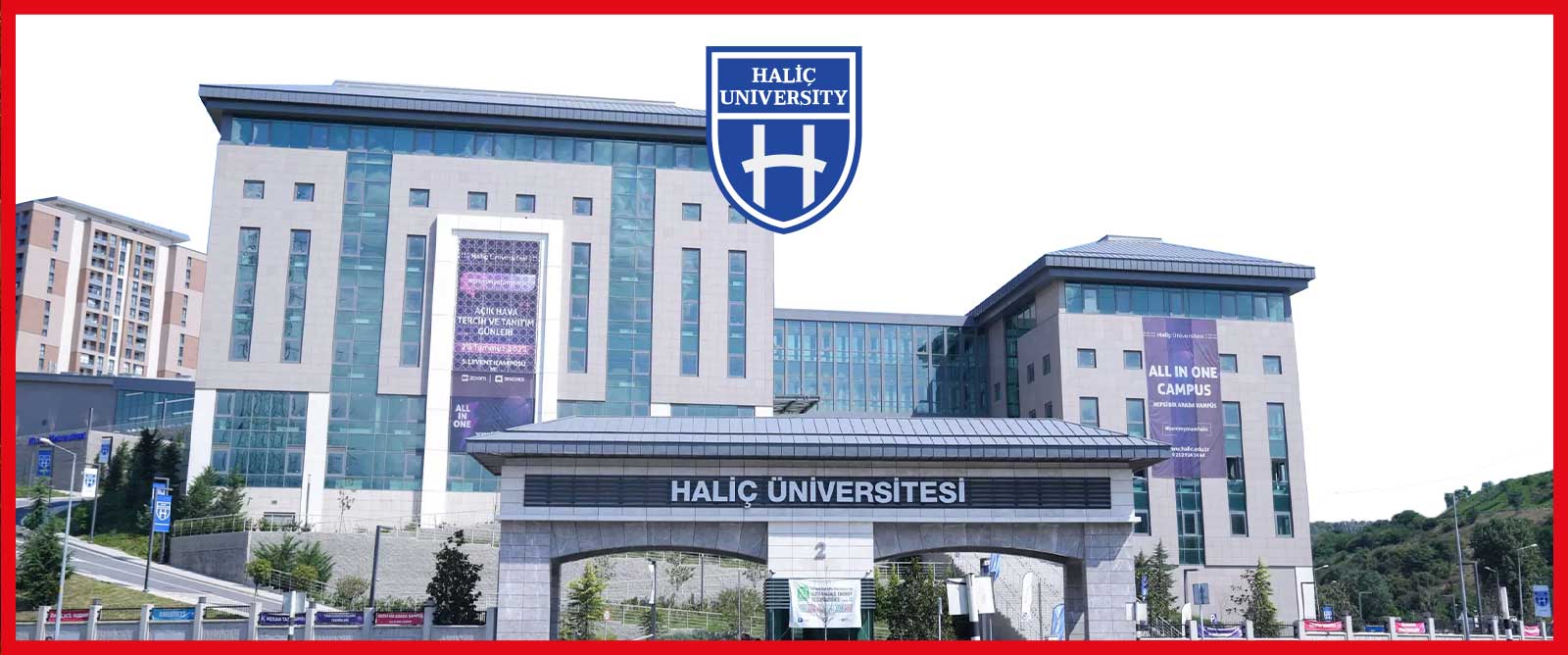
This document provides a comprehensive list of programs degrees in Halic University. Each program includes details about duration, tuition fees, language requirements, application deadlines, and more.
Program Listing
| Program | University | Duration | Language | Deadline | Tuition |
|---|
Contact Information
For more information about these programs or assistance with your application, please contact our support team.
Email: support@studyinturkey.com
Website: www.studyinturkey.com