
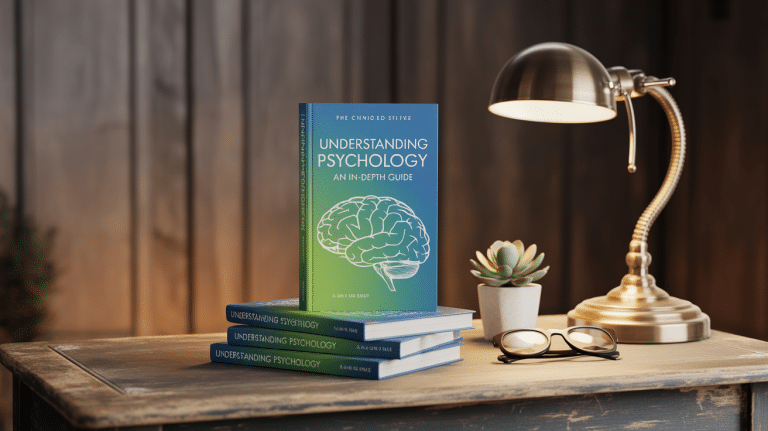
Understanding Psychology: An In-Depth Guide
What Do You Study in Psychology?
Careers After Psychology
Is Psychology Hard to Study?
Top Certifications After Psychology Graduation
Where to Study Psychology
Conclusion
What is Psychology?
Psychology is the scientific study of behavior and mental processes, encompassing a wide range of phenomena, including perception, cognition, emotion, and interpersonal relationships. The discipline combines elements of social science and natural science to understand individuals and groups. At its essence, psychology seeks to understand how people think and behave, providing insights applicable in various contexts, such as clinical settings, organizational environments, and educational institutions.
What Do You Study in Psychology?
Core Subjects in Psychology
- Introduction to Psychology: This course lays the groundwork by covering fundamental concepts, theories, and methodologies in psychology.
- Developmental Psychology: This subject explores the psychological changes that occur throughout a person’s lifespan, from infancy to older adulthood.
- Cognitive Psychology: Focused on mental processes such as perception, memory, and decision-making, this course investigates how we understand and interact with the world.
- Abnormal Psychology: This area examines various mental health disorders, their characteristics, causes, and treatment options.
- Social Psychology: This subject analyzes how individuals influence and are influenced by others, covering topics such as group dynamics, social perception, and prejudice.
Elective Courses
In addition to core courses, psychology students can choose from a variety of elective courses that allow them to tailor their studies according to their interests. Examples include:
- Health Psychology: Examines how psychological factors affect health and illness.
- Forensic Psychology: Explores the intersection of psychology and the legal system.
- Educational Psychology: Focuses on how psychological principles can be applied to educational settings.
- Industrial-Organizational Psychology: Looks at behavior in professional environments and employs psychological principles to improve workplace dynamics.
Labs, Workshops, and Internships
Many psychology programs include practical components, such as:
- Research Labs: Students may participate in research projects, conducting experiments and analyzing data to gain hands-on experience in conducting psychological research.
- Internships: Internships provide students with real-world experience in settings such as schools, clinics, or corporate environments, allowing them to apply psychological principles and practices.
- Workshops: These provide opportunities for skill development, such as counseling techniques or psychological testing.
Careers After Psychology
Graduates with a degree in psychology have a range of career options available to them. Here are some potential job titles and corresponding average salaries:
- Clinical Psychologist – Industry: Healthcare – Average Salary: $76,000 USD / €70,000 EUR
- Counseling Psychologist – Industry: Mental Health Services – Average Salary: $63,000 USD / €58,000 EUR
- Industrial-Organizational Psychologist – Industry: Corporate – Average Salary: $80,000 USD / €75,000 EUR
- School Psychologist – Industry: Education – Average Salary: $70,000 USD / €65,000 EUR
- Research Assistant – Industry: Academia/Research – Average Salary: $48,000 USD / €45,000 EUR
- Forensic Psychologist – Industry: Legal – Average Salary: $85,000 USD / €80,000 EUR
The job market for psychology graduates is robust, with opportunities in clinical settings, academia, human resources, and more. The skills developed during the program—such as critical thinking, effective communication, and an understanding of human behavior—are highly valued across many industries.
Is Psychology Hard to Study?
Psychology, while deeply rewarding, can present several challenges for students. Here are some common difficulties encountered, along with necessary skills and preparation tips:
Common Challenges
- Complex Theories and Concepts: Students may find some psychological theories difficult to grasp due to their abstract nature.
- Research Methods: Understanding research design, statistical analysis, and interpreting data can be challenging.
- Clinical Practice: Engaging with patients or clients can be emotionally taxing and requires strong interpersonal skills.
Required Skills
- Analytical Skills: The ability to evaluate research and analyze data is crucial.
- Communication Skills: Strong verbal and written communication skills are essential for presenting findings and engaging with clients or colleagues.
- Empathy and Ethics: A deep understanding of ethical considerations and empathetic engagement with individuals is important, especially in clinical settings.
Preparation Tips
- Stay Informed: Read psychology literature and research to develop a strong foundational knowledge.
- Engage in Discussions: Join study groups or participate in discussions to reinforce learning and gain different perspectives.
- Seek Internships: Gaining practical experience through internships can provide insights into the application of psychological concepts in real-world settings.
Top Certifications After Psychology Graduation
While a bachelor’s degree in psychology provides a solid foundation, various certifications can enhance career prospects. Here are some notable certifications:
- Licensed Professional Counselor (LPC): Required for those wishing to practice counseling professionally. This typically involves additional supervised experience and passing relevant exams.
- Board Certified Behavior Analyst (BCBA): Certification for professionals who provide behavior analysis services. This requires a master’s degree, supervised experience, and passing a national exam.
- Psychological Associate License: Needed to practice as a psychological associate under the supervision of a licensed psychologist.
Where to Study Psychology
If you’re considering pursuing a degree in psychology, several top private universities in Turkiye offer reputable programs. Here are a few institutions where you can study psychology:
Each of these universities provides comprehensive psychology programs with opportunities for practical experience, which are essential for understanding the complexities of human behavior.
Conclusion
A degree in psychology equips students with both theoretical knowledge and practical skills essential for a wide range of careers centered on human behavior. With a diversified curriculum that includes core subjects, electives, and hands-on experiences, psychology students are well-prepared for the challenges of the workforce. If you are interested in exploring this dynamic field further, reach out to Study in Turkiye for personalized assistance in finding the right academic program for your needs.
Take the Next Step with Study in Turkiye
Explore further and unlock your potential in the field of psychology. Discover the programs available and find the right fit for your academic journey.

