
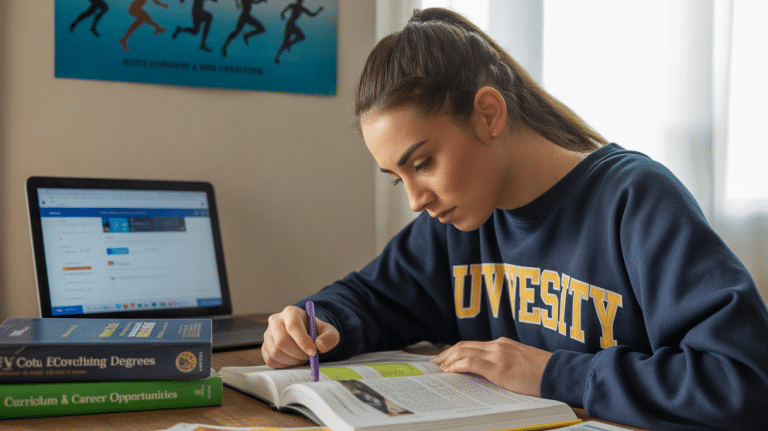
Sports Coaching Degrees: Curriculum & Careers Explained
What is Sports Coaching?
A sports coaching degree equips students with the necessary skills and theoretical foundations needed for a career in coaching. This degree encompasses various disciplines, teaching students how to enhance athletic performance, develop coaching techniques, and understand the mental and physical aspects of sports. Ideal for individuals passionate about sports and helping athletes improve, sports coaching degrees are tailored for aspiring coaches, sports administrators, and professionals involved in physical education.
What Do You Study in Sports Coaching?
The curriculum for sports coaching degrees typically includes a blend of core subjects and elective courses designed to provide a comprehensive understanding of coaching methodologies and practices.
Core Coursework
- Fundamental Practical and Theoretical Approaches to Coaching: Students explore fundamental concepts in coaching sports performance, including planning, delivery, and reflection techniques.
- Bio-Psycho-Social Understanding: Courses emphasize the psychological and social factors that affect athletic performance and team dynamics.
- Professional Practice and Discipline-Specific Skills: Development of essential skills related to coaching management and effective communication.
Sample Courses
- Coaching Techniques: Detailed analysis of different coaching styles and methodologies.
- Sport Movement Analysis: Examination of body mechanics and effective movement patterns for athletes.
- Positive Youth Development in Sport: Focus on the developmental impact of sports participation on youth.
- Training Theories for Coaches: Exploration of various training methods and theories applicable to athletes.
Practical Experience
Hands-on experience is critical in sports coaching programs. Students often participate in:
- Internships: Practical placements in sporting teams or schools to gain real-world coaching experience.
- Capstone Experiences: Advanced coursework that allows students to apply their knowledge in practical settings.
Program Progression
First Year: Introduction to the coaching process and the foundations of sports science.
Second Year: Building on initial concepts, students engage in critical analysis of pedagogical approaches and scientific principles.
Final Year: Emphasis on contemporary issues, high-performance pathways, and community participation, aimed at enhancing employability profiles.
Careers After Sports Coaching
Graduates of sports coaching programs have various career paths available to them across multiple sectors, including education, athletics, and performance training.
Job Titles
- Sports Coach
- Athletic Director
- Sports Psychologist
- Strength and Conditioning Coach
- Physical Education Teacher
Salary Ranges
While salaries can vary based on geographic location, level of education, and specific roles, the average salary for sports coaching professionals is as follows:
- Average salary: $40,000 – $60,000 USD (roughly €36,000 – €54,000)
- In Turkiye, salaries typically range from 15,000 – 25,000 TRY per month for entry-level roles, with experienced professionals earning upwards of 40,000 TRY monthly.
Is Sports Coaching Hard to Study?
Studying sports coaching can be demanding, but with the right preparation and mindset, students can succeed. Common challenges include:
- Time Management: Balancing coursework with practical coaching responsibilities.
- Physical Demands: Engaging in vigorous physical activities can be challenging but is essential for a coaching career.
- Theoretical Complexity: Mastering principles in exercise science, psychology, and biomechanics requires dedication and study.
Tips for Success
- Get Involved Early: Seek internships and coaching opportunities early on to gain practical experience.
- Develop Strong Communication Skills: Whether coaching a team or working within an organization, effective communication is key.
- Stay Updated on Trends: Continuous learning about new coaching techniques and sports science advancements is crucial.
Top Certifications After Sports Coaching Graduation
Upon completing a sports coaching degree, several certifications can enhance employability and credibility in the field:
- American Sport Education Program (ASEP): Provides essential coaching knowledge and skills.
- Certified Strength and Conditioning Specialist (CSCS): Offered by the National Strength and Conditioning Association, it is widely recognized in the field of fitness and coaching.
- First Aid and CPR Certification: Essential for all coaches to ensure athlete safety and wellness.
Where to Study Sports Coaching
Several prestigious universities offer programs in sports coaching. Some notable institutions include:
Take the Next Step with Study in Turkiye
Embarking on a journey to earn a sports coaching degree can lead to numerous fulfilling career opportunities. To explore further and find the right program for you, check out the resources available to help guide your educational path.

