
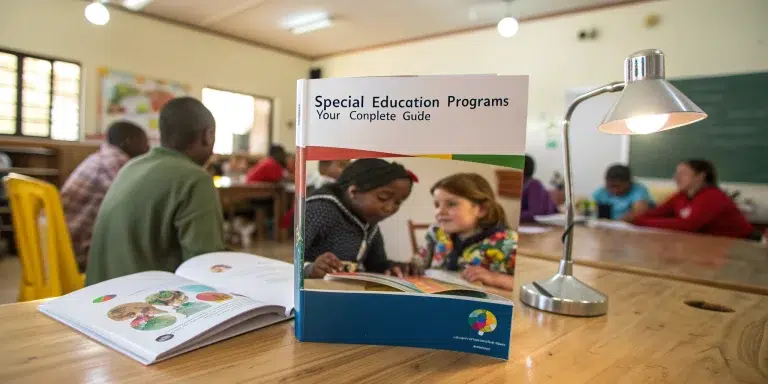
Special Education Programs: Your Complete Guide
What Do You Study in Special Education Programs?
Careers After Graduation
Is Special Education Hard to Study?
Top Certifications After Special Education Program Graduation
Where to Study Special Education
Conclusion
What is a Special Education Program?
Special Education Programs are critical in providing individualized instruction and services tailored to meet the unique needs of students with disabilities. These programs ensure that every student, regardless of their challenges, has access to a high-quality education. As a result, such programs serve a diverse population of learners who benefit significantly from personalized approaches to teaching and support.
A Special Education Program is specifically designed to support students with a wide range of disabilities, including physical, mental, and emotional challenges. The goal of these programs is to promote the academic, social, and emotional growth of students, preparing them for future educational and life opportunities.
Federal laws, primarily the Individuals with Disabilities Education Act (IDEA), establish the framework for Special Education, ensuring that students receive the services necessary for their success.
Key components of Special Education Programs include:
- Individualized Education Programs (IEPs): Each student has a legally binding IEP that outlines their specific needs, goals, and the services required to meet those goals.
- Comprehensive Evaluations: Educational professionals conduct evaluations to identify each student’s strengths, weaknesses, and specific challenges, guiding the development of their IEP.
- Specialized Instruction: The instruction provided is tailored to the specific needs of the student, often utilizing assistive technology, modified teaching strategies, and various support services.
- Continuous Monitoring: Progress is regularly assessed against the goals defined in the IEP, and updates are made at least annually to ensure that the services remain effective.
What Do You Study in Special Education Programs?
Students enrolled in Special Education Programs will encounter a variety of courses designed to equip them with the knowledge and skills necessary for effective teaching strategies and supportive practices.
Core Subjects
- Foundations of Special Education: This course covers the history, laws, and principles guiding Special Education, alongside an overview of various disabilities.
- Assessment and Evaluation: Students learn how to conduct assessments and interpret data to understand and meet the needs of students with disabilities.
- Curriculum Development for Special Needs: This subject focuses on creating effective lesson plans tailored to the unique learning requirements of students with disabilities.
Elective Courses
- Behavior Management: This course provides strategies for managing classroom behavior and developing positive behavioral interventions.
- Collaboration and Teamwork: Students learn how to work effectively with parents, other educators, and professionals to support students’ educational growth.
- Assistive Technology in Education: This course introduces technological tools and resources designed to aid students with disabilities.
Practical Experience
- Fieldwork and Internships: Many programs incorporate fieldwork where students gain real-world experience in classrooms, working alongside experienced educators in both regular and special education settings.
- Workshops: Hands-on workshops focused on specific disabilities or teaching strategies enhance the learning experience.
Careers After Graduation
Graduates of Special Education Programs can pursue a wide array of career paths, providing essential support to students with disabilities. Common job titles include:
- Special Education Teacher in K-12 schools
- Intervention Specialist
- Behavior Analyst
- School Administrator or Educational Leader
- Early Intervention Specialist
- Resource Teacher for students with learning difficulties
- Educational Consultant for organizations focused on disability services
Salary Ranges
The salary of Special Education Professionals can vary based on experience, location, and specific roles. Average salaries are generally as follows:
- Special Education Teacher: $45,000 – $60,000 USD / €40,000 – €55,000 EUR
- Behavior Analyst: $55,000 – $80,000 USD / €50,000 – €70,000 EUR
- School Administrator: $65,000 – $90,000 USD / €60,000 – €80,000 EUR
- Early Intervention Specialist: $50,000 – $70,000 USD / €45,000 – €65,000 EUR
Is Special Education Hard to Study?
Studying Special Education can be both rewarding and challenging. Common challenges students may face include:
- Complexity of Disabilities: Understanding the wide spectrum of disabilities and tailoring interventions accordingly can be daunting.
- Emotional Demands: Working with students who have significant needs can evoke emotional challenges.
- Behavioral Management: Developing effective strategies for managing challenging behaviors requires dedication and practice.
To prepare for a successful career in this field, students should:
- Develop strong communication skills.
- Gain a foundational understanding of psychology and educational methodologies.
- Engage in volunteer work or internships to gain firsthand experience.
- Foster patience and empathy, which are crucial when working with students facing difficulties.
Top Certifications After Special Education Program Graduation
After graduating from a Special Education Program, certain certifications and licenses may enhance career prospects, including:
- Teaching License in Special Education: Required in most regions to work as a special education teacher.
- Board Certified Behavior Analyst (BCBA): This credential is often pursued by professionals interested in behavior analysis and intervention.
- Nationally Certified Special Education Teacher (NCSET): This certification may be advantageous for those seeking to establish credibility in the field.
Where to Study Special Education
Several reputable universities offer comprehensive Special Education Programs. Some of the top institutions include:
Conclusion
Special Education Programs are essential for ensuring inclusive education tailored to the diverse needs of students with disabilities. These programs aim not only at academic success but also at fostering a supportive community for students to thrive. If you’re considering a path in Special Education, it is crucial to understand the curriculum, career opportunities, potential challenges, and necessary certifications involved.
Take the Next Step with Study in Turkiye
Explore further and find the educational path that suits you best. Your journey in Special Education awaits!

