
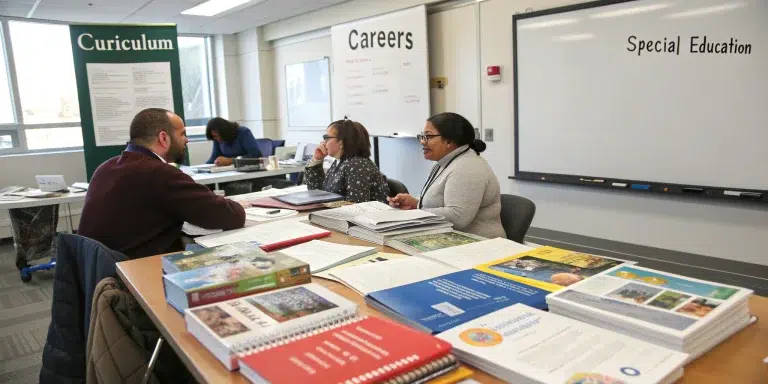
Special Education Degrees: Curriculum, Careers & Specializations
What is a Special Education Degree?
Special Education degrees are essential for individuals looking to work with students who have special needs. These programs focus on specialized teaching strategies and an in-depth understanding of various disabilities, equipping future educators with the skills necessary to meet the diverse learning needs of their students. The demand for trained Special Education professionals continues to grow, driven by an increased awareness of the need for inclusive education. Students drawn to this program are typically compassionate, patient, and possess a strong desire to make a difference in the lives of individuals with exceptional learning needs.
The curriculum is designed to develop highly competent educators who are qualified to teach in various educational settings, including public and private schools. This degree also emphasizes the importance of understanding the legal and ethical aspects of special education, along with individual education plans (IEPs).
What Do You Study in a Special Education Degree?
Core Subjects
The core coursework in a Special Education program generally includes the following subjects:
- Communication Arts: Essential for effective teaching and interaction with students, parents, and other educators.
- Mathematics: Basic and advanced math concepts important for teaching foundational skills.
- Science: Understanding scientific concepts is essential, especially for teaching students in STEM fields.
- Social Science: Includes economics, geography, history, political science, psychology, and sociology.
Elective Courses
Electives may include specialized courses on specific disabilities (e.g., autism spectrum disorders), behavioral management, assistive technology, or advocacy strategies for special needs education.
Labs and Workshops
Many programs incorporate hands-on experiences in labs or workshops to simulate real-world teaching environments. Students may have opportunities to work directly with children with special needs through practicum placements in local schools.
Internships
Internships or student teaching experiences are crucial components of a Special Education degree. These placements provide students with valuable experience, preparing them for full-time teaching positions post-graduation.
Careers After Special Education Degree
Graduates with a Special Education degree can pursue various career paths, including:
- Special Education Teacher in K-12 settings
- Resource Teacher, aiding students within general education classrooms
- Educational Therapist, providing one-on-one academic support
- Speech-Language Pathologist (requires further qualifications)
- Behavior Analyst, specializing in interventions for students with autism
- Advocate, working for policy change for individuals with disabilities
- Educational Consultant, advising schools on best practices
Salary Overview
Salaries for Special Education professionals can vary widely. As of recent data:
- Special Education Teacher: $58,000 – $68,000 (USD)
- Resource Teacher: $56,000 – $66,000 (USD)
- Behavior Analyst: $65,000 – $75,000 (USD)
- Speech-Language Pathologist: $75,000 – $85,000 (USD)
Is Special Education Hard to Study?
Studying Special Education can be demanding but is ultimately rewarding. Common challenges students face include:
- Balancing classroom theory with practical application
- Understanding and adapting to various learning disabilities
- Developing strong communication skills
- Managing emotional challenges in working with children
Required Skills
Prospective students should focus on developing the following skills:
- Patience and Empathy: Essential for understanding students’ unique challenges.
- Adaptability: Flexible teaching methods are crucial.
- Strong Communication: Vital for collaboration and advocacy.
Preparation Tips
- Take courses in psychology, child development, and education.
- Seek volunteer opportunities in educational settings.
- Develop strong organizational and time-management skills.
Top Certifications After Special Education Degree Graduation
After graduating with a Special Education degree, several certifications can enhance career prospects:
- Teacher Certification: Most states require this for Special Education teachers.
- National Board Certification (NBC): Voluntary process enhancing teacher credibility.
- Board Certified Behavior Analyst (BCBA): Specializes in applied behavior analysis.
- Speech-Language Pathology Certification: For those specializing in communication disorders.
Staying informed about local regulations and certification requirements is essential for success in this field.
Where to Study Special Education
Studying Special Education is possible at many reputable universities. Here are some institutions to consider:
Each of these institutions offers unique advantages and can help pave the way for a successful career in Special Education.
Take the Next Step with Study in Turkiye
If you are considering a Special Education degree and require personalized help, contact SIT Search today for guidance tailored to your academic goals.

