Search For Course

The Bachelor of Graphics program focuses on developing the skills necessary for effective visual communication through graphic design. It aims to inspire creativity and innovation, allowing students to explore various aspects of design, such as digital media, branding, and user interface.
Annual course fee
Duration
4Rankings
--Students
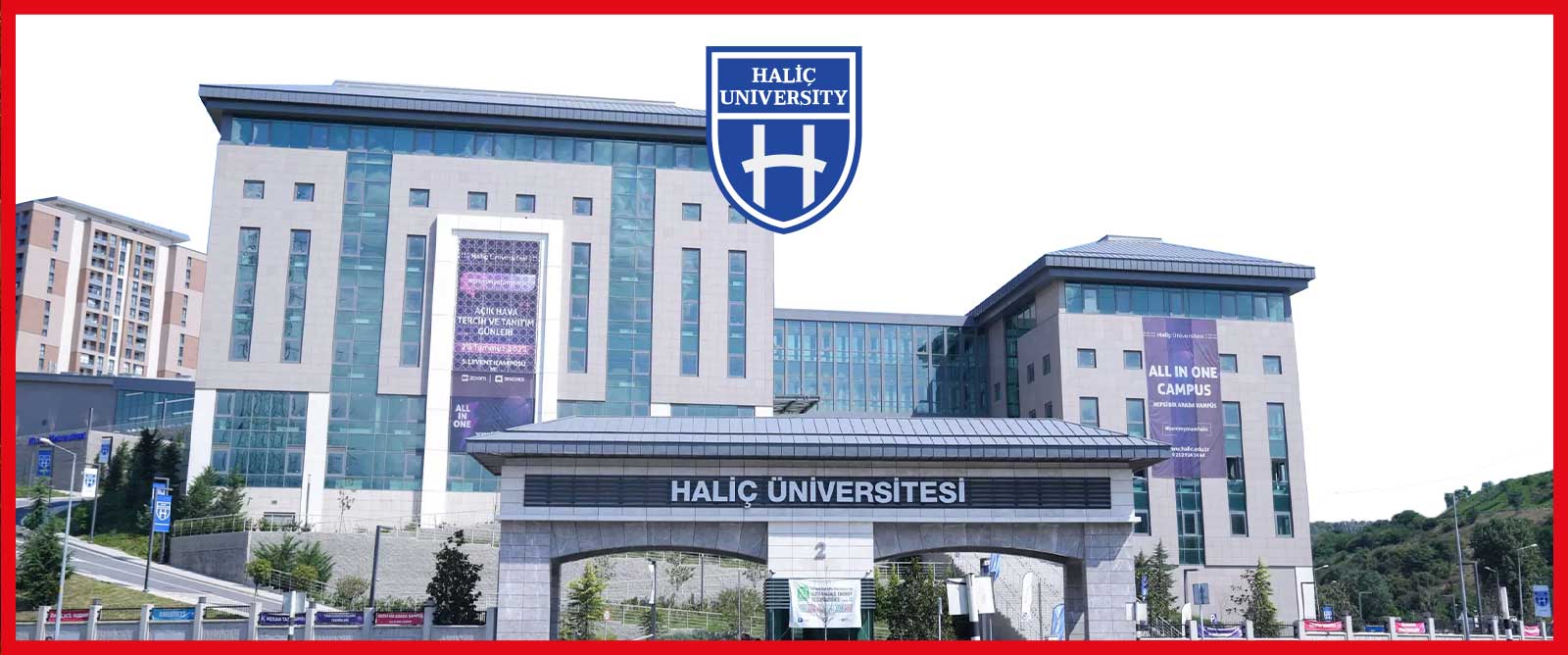
The Master of Graphic Design (Non-Thesis) program provides students with a solid foundation in both traditional and digital design principles. It aims to enhance creative thinking, technical skills, and the ability to communicate ideas visually. This program prepares graduates for various roles in the rapidly evolving design industry.
Annual course fee
Duration
1.5Rankings
--Students
The Master of Graphic Design is a professional, studio-driven graduate program that transforms talented designers into visionary creative directors, brand-identity architects, motion-graphics artists, type designers, editorial designers, and digital-experience creators capable of shaping the visual language of global brands, cultural institutions, streaming platforms, and social movements in an era dominated by visual storytelling and digital-first communication.Offered by Turkey’s most prestigious fine-arts and communication faculties including Mimar Sinan Fine Arts University, İstanbul Bilgi University, Bahçeşehir University (with its world-renowned Communication Design department), Kadir Has University, Işık University, Yaşar University, İstanbul Technical University, and Marmara University, the program is designed and continuously updated in direct partnership with leading Turkish and international design studios (Antrepo, Mousegraphics İstanbul, Studio Sarp Sozdinler, 2fresh, Big Joy, 4129Grey), advertising giants (TBWAİstanbul, Manajans JWT, Medina Turgul DDB), global brands (Arçelik-Beko, Turkish Airlines, LC Waikiki, Ziraat Bankası), publishing houses (Yapı Kredi Yayınları, İletişim), and institutions such as İstanbul Modern, Salt, Pera Museum, and the Turkish Design Council to ensure every graduate project meets international portfolio standards and wins prestigious awards.Students work in professional-grade studios and Mac labs equipped with the full Adobe Creative Cloud, Figma, Cinema 4D, and Risograph printers, mastering advanced visual systems across all media. Core modules cover contemporary typography and type design (Latin and Arabic script extensions), complex brand-identity systems, advanced editorial and publication design, motion graphics and title-sequence creation, UI/UX for digital products, packaging and spatial graphics, data visualization and infographic storytelling, generative design with code (Processing, p5.js), experimental film titles, and sustainable print production. Every semester ends with a public exhibition and professional jury featuring creative directors from New York, London, and İstanbul. The program culminates in a thesis project that is either a complete visual identity for a major cultural institution, a published type family, a festival title sequence premiered at İstanbul Film Festival, or a transmedia campaign launched with a real client, many of which are immediately implemented and win Red Dot, European Design Awards, D&AD, and GMK (Graphic Designers Association) Best of Year.Graduates instantly join the top tier of Turkish and global design scenes. Leading studios and advertising agencies recruit them as senior designers and art directors with starting monthly salaries ranging from 120,000 to 220,000 Turkish lira plus project bonuses in 2025. Global brands hire directly for in-house creative-lead positions, while publishing houses and cultural institutions seek their expertise for landmark book series and exhibition graphics. Many alumni open their own award-winning studios within three years, represent Turkey at biennials and type conferences, or relocate to London, Amsterdam, Berlin, and New York studios. Several become regular collaborators with Netflix Türkiye, beIN, and international title-design houses. Society celebrates these designers as the visual poets of contemporary Turkey: their posters hang in museums, their typefaces appear on banknotes and street signs, their brand systems define the country’s most beloved institutions. The combination of immediate elite creative employment, public exhibitions during the program, lifelong recognition through published work, and the rare privilege of permanently shaping how Turkey looks and communicates makes the Master of Graphic Design one of the most coveted, respected, and culturally powerful graduate degrees available today, perfectly suited for visually brilliant minds determined to define the aesthetic future of the nation and beyond.
Annual course fee
Duration
2Rankings
--Students
The Master of Interior Architecture is a two-year, research-driven and studio-intensive graduate program that trains visionary interior architects, creative directors, adaptive-reuse specialists, luxury-hospitality designers, sustainable-interior strategists, and academic leaders who can design groundbreaking, culturally resonant, technologically advanced, and environmentally responsible interior environments for the most ambitious residential, commercial, cultural, hospitality, and public projects in Turkey and on the global stage. Offered at Turkey’s most prestigious architecture and design faculties with professional ateliers, material-research labs, and direct partnerships with the world’s leading interior-architecture offices (Mimar Sinan Fine Arts University, İstanbul Technical University, Bilkent University, Özyeğin University, Yeditepe University, Bahçeşehir University, İstanbul Bilgi University, Işık University, and several English-medium programs), it is universally regarded as the country’s most advanced and portfolio-defining master’s degree in the discipline.Students work daily in expansive personal studios under professors who are practicing principals of internationally awarded offices (Tabanlıoğlu, Emre Arolat, Erginoğlu & Çalışlar, Uras x Dilekci, Habif, Mahmut Anlar, Autoban, Sanayi313) and regularly win World Architecture Festival Interior of the Year, Frame Awards, Ağa Khan Award shortlists, and German Design Council distinctions. The first year delivers an uncompromising theoretical and experimental core: advanced spatial theory and phenomenology, contemporary interior-architecture history and criticism, adaptive reuse and heritage interiors, parametric and computational design for interiors (Rhino + Grasshopper + Revit BIM), advanced material research and circular-economy systems, biophilic and neuro-architecture principles, acoustic and lighting design at research level, smart-interiors and IoT integration, exhibition and scenography design, hospitality and luxury-retail experience design, healthcare and evidence-based healing environments, and Turkish interior heritage from Seljuk to Ottoman to Republican modernism.The second year is pure professional and academic mastery: students develop a signature graduation project of international competition caliber (a museum interior, five-star boutique hotel, corporate headquarters, cultural center, or large-scale adaptive-reuse scheme) that is presented to a jury of global design stars and published in Frame, Dezeen, and ArchDaily, complete a 400–600-hour internship at Turkey’s top interior-architecture offices or international studios (Dubai, London, Milan, New York), and exhibit at İstanbul Design Biennial, Milan Salone, and London Design Festival through university partnerships.Graduates instantly occupy the most coveted positions in the industry: creative directors and senior interior architects at Tabanlıoğlu Interiors, Emre Arolat Design, Habif Mimarlık, Uras x Dilekci, Autoban, Ofist, Mahmut Anlar Studio, luxury-hospitality specialists at Four Seasons, Mandarin Oriental, Six Senses Kaplankaya, Regnum Carya, museum and cultural-project designers for İstanbul Modern, Arter, Salt, Sabancı Museum, adaptive-reuse leaders for Beyoğlu, Karaköy, and Galataport projects, and increasingly found their own internationally awarded studios that win commissions from Qatar to Azerbaijan to London.Starting salaries belong to the absolute top tier of all design master’s programs in Turkey and rise meteorically with project scale: within five years many become partners, creative directors, or celebrated independent designers with seven-figure project fees and global recognition. The social prestige of Interior Architecture master’s graduates has reached extraordinary heights as Turkey’s most iconic new museums, hotels, and corporate headquarters are signed by them, placing İstanbul among the world’s most exciting interior-design capitals.In short, the Master of Interior Architecture produces fearless, intellectually profound, and technically flawless spatial creators who dominate Turkey’s interior-architecture scene and represent the country on the global design stage, enjoying immediate elite recognition, explosive career growth, exceptional financial reward, and the daily privilege of shaping the most beautiful, meaningful, and sustainable interiors that define how millions live, work, heal, and experience culture in the twenty-first century.
Annual course fee
Duration
1.5Rankings
--Students
The Master of Interior Architecture is a two-year, research-driven and studio-intensive graduate program that trains visionary interior architects, creative directors, adaptive-reuse specialists, luxury-hospitality designers, sustainable-interior strategists, and academic leaders who can design groundbreaking, culturally resonant, technologically advanced, and environmentally responsible interior environments for the most ambitious residential, commercial, cultural, hospitality, and public projects in Turkey and on the global stage. Offered at Turkey’s most prestigious architecture and design faculties with professional ateliers, material-research labs, and direct partnerships with the world’s leading interior-architecture offices (Mimar Sinan Fine Arts University, İstanbul Technical University, Bilkent University, Özyeğin University, Yeditepe University, Bahçeşehir University, İstanbul Bilgi University, Işık University, and several English-medium programs), it is universally regarded as the country’s most advanced and portfolio-defining master’s degree in the discipline.Students work daily in expansive personal studios under professors who are practicing principals of internationally awarded offices (Tabanlıoğlu, Emre Arolat, Erginoğlu & Çalışlar, Uras x Dilekci, Habif, Mahmut Anlar, Autoban, Sanayi313) and regularly win World Architecture Festival Interior of the Year, Frame Awards, Ağa Khan Award shortlists, and German Design Council distinctions. The first year delivers an uncompromising theoretical and experimental core: advanced spatial theory and phenomenology, contemporary interior-architecture history and criticism, adaptive reuse and heritage interiors, parametric and computational design for interiors (Rhino + Grasshopper + Revit BIM), advanced material research and circular-economy systems, biophilic and neuro-architecture principles, acoustic and lighting design at research level, smart-interiors and IoT integration, exhibition and scenography design, hospitality and luxury-retail experience design, healthcare and evidence-based healing environments, and Turkish interior heritage from Seljuk to Ottoman to Republican modernism.The second year is pure professional and academic mastery: students develop a signature graduation project of international competition caliber (a museum interior, five-star boutique hotel, corporate headquarters, cultural center, or large-scale adaptive-reuse scheme) that is presented to a jury of global design stars and published in Frame, Dezeen, and ArchDaily, complete a 400–600-hour internship at Turkey’s top interior-architecture offices or international studios (Dubai, London, Milan, New York), and exhibit at İstanbul Design Biennial, Milan Salone, and London Design Festival through university partnerships.Graduates instantly occupy the most coveted positions in the industry: creative directors and senior interior architects at Tabanlıoğlu Interiors, Emre Arolat Design, Habif Mimarlık, Uras x Dilekci, Autoban, Ofist, Mahmut Anlar Studio, luxury-hospitality specialists at Four Seasons, Mandarin Oriental, Six Senses Kaplankaya, Regnum Carya, museum and cultural-project designers for İstanbul Modern, Arter, Salt, Sabancı Museum, adaptive-reuse leaders for Beyoğlu, Karaköy, and Galataport projects, and increasingly found their own internationally awarded studios that win commissions from Qatar to Azerbaijan to London.Starting salaries belong to the absolute top tier of all design master’s programs in Turkey and rise meteorically with project scale: within five years many become partners, creative directors, or celebrated independent designers with seven-figure project fees and global recognition. The social prestige of Interior Architecture master’s graduates has reached extraordinary heights as Turkey’s most iconic new museums, hotels, and corporate headquarters are signed by them, placing İstanbul among the world’s most exciting interior-design capitals.In short, the Master of Interior Architecture produces fearless, intellectually profound, and technically flawless spatial creators who dominate Turkey’s interior-architecture scene and represent the country on the global design stage, enjoying immediate elite recognition, explosive career growth, exceptional financial reward, and the daily privilege of shaping the most beautiful, meaningful, and sustainable interiors that define how millions live, work, heal, and experience culture in the twenty-first century.
Annual course fee
Duration
2Rankings
--Students
The Associate of Graphic Design is a two-year undergraduate program designed to provide students with foundational knowledge, technical skills, and creative competencies in visual communication, preparing them for entry-level careers in design or for further study in bachelor’s programs, and offering a curriculum that integrates core areas such as typography, color theory, digital illustration, photography, and design principles with specialized fields like branding, advertising design, web design, motion graphics, and user interface design, ensuring that graduates are equipped to address both traditional and contemporary challenges in the design industry; throughout their studies, students acquire a wide range of skills including the ability to conceptualize and execute design projects, use industry-standard software such as Adobe Creative Suite, create logos and brand identities, design layouts for print and digital media, and apply visual storytelling techniques, while also cultivating problem-solving, critical thinking, and communication abilities that enable them to work effectively in diverse creative contexts; experiential learning and practical application are central to the program, with students participating in studio projects, internships, portfolio development, and collaborative assignments, often working with design firms, advertising agencies, publishing houses, and digital media companies, thereby applying theoretical knowledge to real-world scenarios, building professional networks, and developing adaptability and resilience essential for success in design careers; upon graduation, career opportunities are diverse and promising, with graduates securing positions as graphic designers, layout artists, web designers, junior art directors, or production assistants, and finding demand across advertising agencies, marketing departments, publishing companies, multimedia firms, and freelance markets, while their training positions them as key contributors to visual communication, brand development, and digital innovation, enabling them to assume roles in shaping creative strategies, guiding design processes, and influencing the integration of sustainable and ethical practices into visual media; many graduates continue their education by transferring into bachelor’s programs in graphic design, visual communication, or related fields, while others establish freelance practices or small design studios, offering specialized expertise to clients and communities; overall the Associate of Graphic Design equips students with intellectual depth, technical versatility, and professional readiness, fostering graduates who are not only skilled practitioners but also creative thinkers capable of driving forward the next wave of innovation in visual communication and ensuring that their role remains central to the advancement of design, the promotion of cultural expression, and the strengthening of global creative industries.
Annual course fee
Duration
2Rankings
--Students
The Associate of Interior Design (İç Mimarlık ve Çevre Tasarımı Önlisans) trains creators who can walk into an empty shell and shape the way light falls, how conversations flow, and where memories are made long before furniture arrives. Over two fast-paced years students shift from timid pencil sketches to confident digital models that convince clients to invest millions in a single presentation. Studios become second homes where rolls of tracing paper mingle with tablets, and every surface is fair game for pinning mood boards that evolve from chaotic collages into polished concepts. First semester sharpens perception—learning why a 30 cm height difference in seating changes social dynamics in cafés, how acoustics turn a noisy open-plan office into a productive hive, or why certain blues calm hospital corridors while others energize gym locker rooms. Second year unleashes execution: designing modular apartments that adapt to growing families, commercial spaces that guide customers subconsciously toward checkout, or hospitality suites where every texture invites touch and every corner hides clever storage. Materials labs are playgrounds of discovery—testing how reclaimed timber ages under UV light, comparing the warmth of cork against cold concrete, or experimenting with acoustic panels made from recycled denim that double as art. Software mastery is non-negotiable: AutoCAD for precision plans, SketchUp for quick iterations, Revit for BIM coordination, and Lumion for cinematic renders that make clients gasp. Sustainability runs deep—students calculate carbon footprints for every finish, source local alternatives to imported marble, and design furniture that disassembles for easy recycling. Critiques are intense but kind, mirroring the real-world pressure of client meetings where a single misplaced column can derail budgets. Portfolio reviews happen relentlessly, forcing constant refinement until the final collection feels less like student work and more like a boutique studio’s signature lookbook. Graduates emerge with eyes trained to see potential where others see walls, ready to join architecture firms as junior designers, collaborate with contractors on fit-out projects, or freelance on residential renovations that transform dated flats into Instagram-worthy homes. Many specialize early—biophilic workplaces filled with living walls, healthcare environments that reduce patient anxiety through evidence-based color palettes, or retail experiences engineered for dwell time and impulse buys. The program deliberately nurtures versatility: one graduate might craft minimalist cafés with exposed brick and Edison bulbs, another luxurious spas where water features mask city noise. As flexible living and adaptive reuse dominate global trends, demand grows for designers who blend aesthetics with functionality, psychology with physics, and budget constraints with beauty. These two years do not merely teach software or drawing—they forge spatial storytellers who understand that great interiors do not shout for attention; they whisper comfort, spark joy, and quietly improve lives every single day.
Annual course fee
Duration
2Rankings
--Students

Bachelor of Interior Design and Environmental Design (English) is a globally recognized, studio-intensive four-year honors degree delivered entirely in English that trains creative designers who shape human experience through the conception, planning, detailing, and execution of interior spaces in residential, commercial, hospitality, cultural, healthcare, educational, and public environments for leading international and Turkish design firms, real-estate developers, hotel chains, and luxury brands worldwide. From the first semester, students master the complete contemporary interior design workflow: advanced architectural drawing and representation (hand sketching, AutoCAD, Revit, Rhino+Grasshopper, Lumion, Enscape), material science and innovative surface technologies, lighting design and smart-building systems, furniture design and custom millwork detailing, environmental psychology and evidence-based design, sustainability and biophilic principles (LEED, BREEAM, WELL certification pathways), color and textile studies, construction and project management, cost estimation, and professional practice according to international and Turkish building codes. Studio culture is the heart of the program: each semester builds progressively from small-scale residential renovations to large mixed-use complexes, hospitality flagships, museum and exhibition design, adaptive reuse of historic buildings, corporate headquarters, and wellness centers, with real clients (Four Seasons, Hilton, Swissôtel, Rixos, Zorlu PSM, Istanbul Modern, Emaar, Nef, Ağaoğlu, and global brands entering Turkey) and site visits across Istanbul, Bodrum, Antalya, and Cappadocia.Third-year students often participate in Erasmus exchanges with top European schools (Politecnico di Milano, IED Barcelona, AA London, TU Delft) and compete in international competitions (iF Design Student Award, Red Dot Design Award, World Interior of the Year Student, Frame Awards Student) where Turkish programs consistently place in the global top ten. Fourth-year graduation projects are fully professional: complete interior packages from concept boards to construction documents, photorealistic renderings, VR walkthroughs, and physical scale models, regularly published in Domus, Frame, Dezeen, and Turkish design magazines and leading directly to employment offers.Graduates are aggressively recruited by world-class practices (Zaha Hadid Architects, Foster+Partners Istanbul, Gensler, YOO, Autodesk Türkiye, leading local studios such as Autoban, Habif Mimarlık, Erginoğlu & Çalışlar, Tabanlıoğlu, GMW MIMARLIK, and in-house design teams of Eczacıbaşı, Koç, Sabancı, Doğuş, and luxury developers). Starting positions include junior interior architect, interior designer, FF&E specialist, 3D visualizer, or project coordinator, with many graduates opening their own boutique studios within five years or relocating to Dubai, London, Amsterdam, New York, and Singapore where Turkish-trained designers are highly valued for their technical rigor and aesthetic sophistication.Salaries rank among the highest in the creative disciplines: top graduates in Istanbul and international offices quickly reach six-figure dollar equivalents, while successful studio owners in Istanbul and Bodrum regularly exceed earnings of many architects and physicians. The profession enjoys immense social prestige as the invisible art that defines how people live, work, heal, and celebrate: these are the minds behind Turkey’s most photographed hotels, award-winning restaurants, luxury residences in Nişantaşı and Bodrum, and cultural spaces that shape contemporary Turkishidentity.Inn short, the Bachelor of Interior Architecture and Environmental Design offers one of the most visually exciting, technically demanding, and financially rewarding creative careers available today, combining artistic vision with engineering precision, immediate international employability, and the rare daily privilege of transforming empty shells into memorable, life-enhancing environments that millions experience and remember.
Annual course fee
Duration
4Rankings
--Students
Bachelor of Interior Architecture and Environmental Design (English) is a globally recognized, studio-intensive four-year honors degree delivered entirely in English that trains creative designers who shape human experience through the conception, planning, detailing, and execution of interior spaces in residential, commercial, hospitality, cultural, healthcare, educational, and public environments for leading international and Turkish design firms, real-estate developers, hotel chains, and luxury brands worldwide. From the first semester, students master the complete contemporary interior design workflow: advanced architectural drawing and representation (hand sketching, AutoCAD, Revit, Rhino+Grasshopper, Lumion, Enscape), material science and innovative surface technologies, lighting design and smart-building systems, furniture design and custom millwork detailing, environmental psychology and evidence-based design, sustainability and biophilic principles (LEED, BREEAM, WELL certification pathways), color and textile studies, construction and project management, cost estimation, and professional practice according to international and Turkish building codes. Studio culture is the heart of the program: each semester builds progressively from small-scale residential renovations to large mixed-use complexes, hospitality flagships, museum and exhibition design, adaptive reuse of historic buildings, corporate headquarters, and wellness centers, with real clients (Four Seasons, Hilton, Swissôtel, Rixos, Zorlu PSM, Istanbul Modern, Emaar, Nef, Ağaoğlu, and global brands entering Turkey) and site visits across Istanbul, Bodrum, Antalya, and Cappadocia.Third-year students often participate in Erasmus exchanges with top European schools (Politecnico di Milano, IED Barcelona, AA London, TU Delft) and compete in international competitions (iF Design Student Award, Red Dot Design Award, World Interior of the Year Student, Frame Awards Student) where Turkish programs consistently place in the global top ten. Fourth-year graduation projects are fully professional: complete interior packages from concept boards to construction documents, photorealistic renderings, VR walkthroughs, and physical scale models, regularly published in Domus, Frame, Dezeen, and Turkish design magazines and leading directly to employment offers.Graduates are aggressively recruited by world-class practices (Zaha Hadid Architects, Foster+Partners Istanbul, Gensler, YOO, Autodesk Türkiye, leading local studios such as Autoban, Habif Mimarlık, Erginoğlu & Çalışlar, Tabanlıoğlu, GMW MIMARLIK, and in-house design teams of Eczacıbaşı, Koç, Sabancı, Doğuş, and luxury developers). Starting positions include junior interior architect, interior designer, FF&E specialist, 3D visualizer, or project coordinator, with many graduates opening their own boutique studios within five years or relocating to Dubai, London, Amsterdam, New York, and Singapore where Turkish-trained designers are highly valued for their technical rigor and aesthetic sophistication.Salaries rank among the highest in the creative disciplines: top graduates in Istanbul and international offices quickly reach six-figure dollar equivalents, while successful studio owners in Istanbul and Bodrum regularly exceed earnings of many architects and physicians. The profession enjoys immense social prestige as the invisible art that defines how people live, work, heal, and celebrate: these are the minds behind Turkey’s most photographed hotels, award-winning restaurants, luxury residences in Nişantaşı and Bodrum, and cultural spaces that shape contemporary Turkishidentity.Inn short, the Bachelor of Interior Architecture and Environmental Design offers one of the most visually exciting, technically demanding, and financially rewarding creative careers available today, combining artistic vision with engineering precision, immediate international employability, and the rare daily privilege of transforming empty shells into memorable, life-enhancing environments that millions experience and remember.
Annual course fee
Duration
4Rankings
--Students

Bachelor of Interior Architecture and Environmental Design (English) is a globally recognized, studio-intensive four-year honors degree delivered entirely in English that trains creative designers who shape human experience through the conception, planning, detailing, and execution of interior spaces in residential, commercial, hospitality, cultural, healthcare, educational, and public environments for leading international and Turkish design firms, real-estate developers, hotel chains, and luxury brands worldwide. From the first semester, students master the complete contemporary interior design workflow: advanced architectural drawing and representation (hand sketching, AutoCAD, Revit, Rhino+Grasshopper, Lumion, Enscape), material science and innovative surface technologies, lighting design and smart-building systems, furniture design and custom millwork detailing, environmental psychology and evidence-based design, sustainability and biophilic principles (LEED, BREEAM, WELL certification pathways), color and textile studies, construction and project management, cost estimation, and professional practice according to international and Turkish building codes. Studio culture is the heart of the program: each semester builds progressively from small-scale residential renovations to large mixed-use complexes, hospitality flagships, museum and exhibition design, adaptive reuse of historic buildings, corporate headquarters, and wellness centers, with real clients (Four Seasons, Hilton, Swissôtel, Rixos, Zorlu PSM, Istanbul Modern, Emaar, Nef, Ağaoğlu, and global brands entering Turkey) and site visits across Istanbul, Bodrum, Antalya, and Cappadocia.Third-year students often participate in Erasmus exchanges with top European schools (Politecnico di Milano, IED Barcelona, AA London, TU Delft) and compete in international competitions (iF Design Student Award, Red Dot Design Award, World Interior of the Year Student, Frame Awards Student) where Turkish programs consistently place in the global top ten. Fourth-year graduation projects are fully professional: complete interior packages from concept boards to construction documents, photorealistic renderings, VR walkthroughs, and physical scale models, regularly published in Domus, Frame, Dezeen, and Turkish design magazines and leading directly to employment offers.Graduates are aggressively recruited by world-class practices (Zaha Hadid Architects, Foster+Partners Istanbul, Gensler, YOO, Autodesk Türkiye, leading local studios such as Autoban, Habif Mimarlık, Erginoğlu & Çalışlar, Tabanlıoğlu, GMW MIMARLIK, and in-house design teams of Eczacıbaşı, Koç, Sabancı, Doğuş, and luxury developers). Starting positions include junior interior architect, interior designer, FF&E specialist, 3D visualizer, or project coordinator, with many graduates opening their own boutique studios within five years or relocating to Dubai, London, Amsterdam, New York, and Singapore where Turkish-trained designers are highly valued for their technical rigor and aesthetic sophistication.Salaries rank among the highest in the creative disciplines: top graduates in Istanbul and international offices quickly reach six-figure dollar equivalents, while successful studio owners in Istanbul and Bodrum regularly exceed earnings of many architects and physicians. The profession enjoys immense social prestige as the invisible art that defines how people live, work, heal, and celebrate: these are the minds behind Turkey’s most photographed hotels, award-winning restaurants, luxury residences in Nişantaşı and Bodrum, and cultural spaces that shape contemporary Turkishidentity.Inn short, the Bachelor of Interior Architecture and Environmental Design offers one of the most visually exciting, technically demanding, and financially rewarding creative careers available today, combining artistic vision with engineering precision, immediate international employability, and the rare daily privilege of transforming empty shells into memorable, life-enhancing environments that millions experience and remember.
Annual course fee
Duration
4Rankings
-Students
3162
The Associate of Interior Design (İç Mimarlık ve Çevre Tasarımı Önlisans) trains creators who can walk into an empty shell and shape the way light falls, how conversations flow, and where memories are made long before furniture arrives. Over two fast-paced years students shift from timid pencil sketches to confident digital models that convince clients to invest millions in a single presentation. Studios become second homes where rolls of tracing paper mingle with tablets, and every surface is fair game for pinning mood boards that evolve from chaotic collages into polished concepts. First semester sharpens perception—learning why a 30 cm height difference in seating changes social dynamics in cafés, how acoustics turn a noisy open-plan office into a productive hive, or why certain blues calm hospital corridors while others energize gym locker rooms. Second year unleashes execution: designing modular apartments that adapt to growing families, commercial spaces that guide customers subconsciously toward checkout, or hospitality suites where every texture invites touch and every corner hides clever storage. Materials labs are playgrounds of discovery—testing how reclaimed timber ages under UV light, comparing the warmth of cork against cold concrete, or experimenting with acoustic panels made from recycled denim that double as art. Software mastery is non-negotiable: AutoCAD for precision plans, SketchUp for quick iterations, Revit for BIM coordination, and Lumion for cinematic renders that make clients gasp. Sustainability runs deep—students calculate carbon footprints for every finish, source local alternatives to imported marble, and design furniture that disassembles for easy recycling. Critiques are intense but kind, mirroring the real-world pressure of client meetings where a single misplaced column can derail budgets. Portfolio reviews happen relentlessly, forcing constant refinement until the final collection feels less like student work and more like a boutique studio’s signature lookbook. Graduates emerge with eyes trained to see potential where others see walls, ready to join architecture firms as junior designers, collaborate with contractors on fit-out projects, or freelance on residential renovations that transform dated flats into Instagram-worthy homes. Many specialize early—biophilic workplaces filled with living walls, healthcare environments that reduce patient anxiety through evidence-based color palettes, or retail experiences engineered for dwell time and impulse buys. The program deliberately nurtures versatility: one graduate might craft minimalist cafés with exposed brick and Edison bulbs, another luxurious spas where water features mask city noise. As flexible living and adaptive reuse dominate global trends, demand grows for designers who blend aesthetics with functionality, psychology with physics, and budget constraints with beauty. These two years do not merely teach software or drawing—they forge spatial storytellers who understand that great interiors do not shout for attention; they whisper comfort, spark joy, and quietly improve lives every single day.
Annual course fee
Duration
2Rankings
-Students
3162
The Bachelor of Interior Architecture and Environmental Design program focuses on the design of interior spaces and environments, emphasizing both aesthetic and functional aspects. It aims to cultivate creativity and technical skills necessary for creating sustainable and aesthetically pleasing interiors.
Annual course fee
Duration
4Rankings
--Students
The Associate of Interior Design program aims to provide students with the skills and knowledge necessary to create functional and aesthetically pleasing interior spaces. The program focuses on design principles, space planning, and the effective use of materials and resources. Its importance lies in enhancing the quality of living and working environments through thoughtful and innovative design solutions.
Annual course fee
Duration
2Rankings
--Students

The Master of Interior Architecture (Thesis) (Turkish) program aims to develop innovative and skilled interior architects who are equipped to design functional and aesthetically pleasing spaces. The program focuses on integrating design principles with practical applications, emphasizing sustainability and user experience.
Annual course fee
Duration
2Rankings
1100 - 1200Students
The Master of Interior Architecture and Environmental Design (Non-Thesis) program is aimed at providing students with the essential knowledge and skills needed to excel in the fields of interior architecture and environmental design. This program focuses on practical applications and project-based learning to prepare students for contemporary design challenges while enhancing user experience and sustainability.
Annual course fee
Duration
1.5Rankings
--Students
The Master of Interior Architecture and Environmental Design (Thesis) program is designed to equip students with advanced knowledge and skills in creating functional and aesthetically pleasing interior environments. This program emphasizes sustainable design practices and the integration of technology in space planning to enhance user experience and environmental impact.
Annual course fee
Duration
2Rankings
--Students

The Master Of Environmental Design (Thesis) program focuses on equipping students with the knowledge and skills necessary to address complex environmental challenges through design. It emphasizes sustainable practices and innovative solutions in architecture and urban planning, aiming to create harmonious relationships between natural and built environments.
Annual course fee
Duration
2Rankings
--Students
13500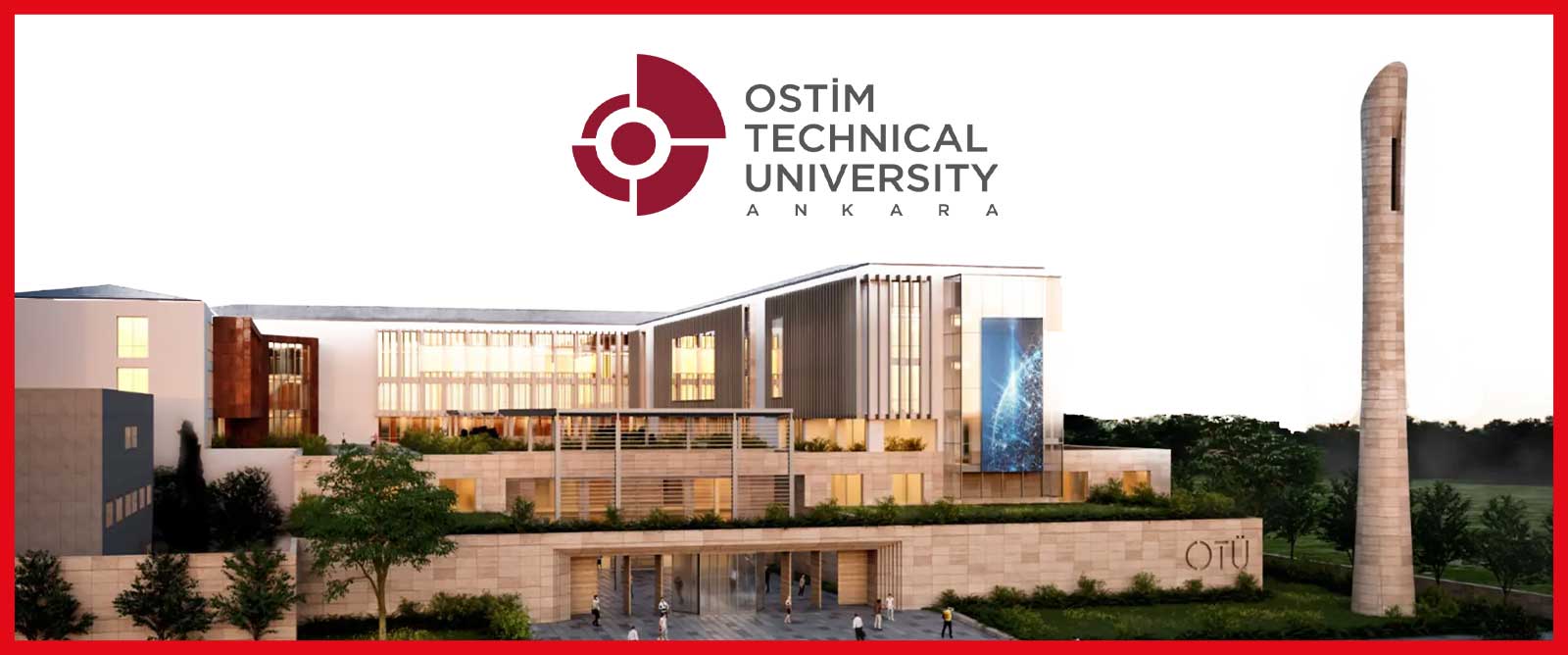
The Bachelor of Interior Architecture and Environmental Design program focuses on the design and functionality of interior spaces, as well as their integration with the environment. It aims to educate students on creating sustainable and aesthetically pleasing interiors that enhance the user experience while considering ecological impacts.