Search For Course

The Master of Civil Engineering (Non-Thesis) (English) program is designed to equip students with advanced knowledge and skills in civil engineering principles and practices. It focuses on practical solutions to contemporary engineering challenges, preparing graduates to contribute significantly to infrastructure development and sustainability.
Annual course fee
Duration
1.5Rankings
#61 in the EuropeStudents
6000
The Bachelor of Civil Engineering (English) program provides students with a solid foundation in engineering principles and practices, focusing on the design, construction, and maintenance of infrastructure projects. The program aims to prepare graduates for critical roles in shaping sustainable urban environments and addressing engineering challenges.
Annual course fee
Duration
4Rankings
401-450Students

The Bachelor of Civil Engineering program focuses on the design, construction, and maintenance of infrastructure projects including roads, bridges, buildings, and water supply systems. It aims to equip students with the fundamental engineering principles and technical skills necessary for a successful career in civil engineering. This program is vital for developing sustainable solutions to meet societal infrastructure needs.
Annual course fee
Duration
4Rankings
351-400Students

The Bachelor of Civil Engineering program focuses on the design, construction, and maintenance of infrastructure such as bridges, roads, and buildings. It aims to provide students with a strong foundation in engineering principles, mathematics, and physical sciences. This program is crucial for developing skills necessary to solve complex engineering problems and contribute to sustainable development in urban and rural environments.
Annual course fee
Duration
4Rankings
--Students
13500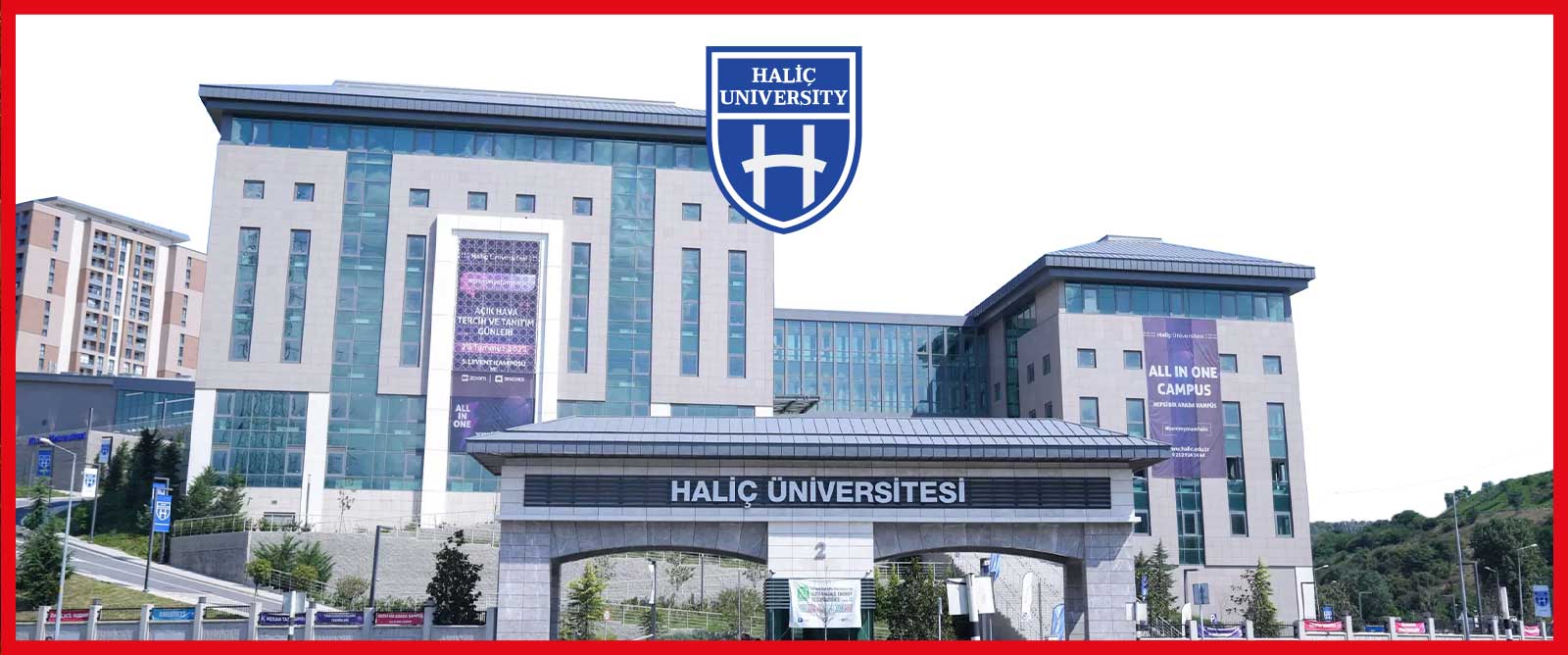
The Associate of Construction Technology offered at Haliç University Campus is a practice-oriented two-year vocational program specifically tailored to meet the enormous and continuous demand of Turkey’s construction sector, one of the main engines of the national economy, by producing highly skilled intermediate technical staff who can work efficiently on construction sites, read and implement projects, supervise teams, control quality, ensure occupational safety, and solve daily technical problems under the direction of civil engineers and architects. Throughout the curriculum delivered at the modern facilities of Haliç University’s vocational school, students acquire comprehensive theoretical knowledge combined with intensive hands-on training that reflects real working conditions in Istanbul and across Turkey: they master construction materials science including concrete technology, steel, timber, masonry, insulation, and waterproofing materials; learn reinforced concrete and steel structure calculations at the technician level; study soil mechanics, foundation systems, and geotechnical report interpretation; become proficient in reading and drawing architectural and static projects using AutoCAD, Revit Architecture, and Revit Structure; gain expertise in quantity surveying, cost estimation, preparation of bills of quantities, metraj, and keşif according to Turkish public tender law (KİK 4734) and private sector unit price lists; understand construction management processes such as work schedules, Gantt charts, resource planning, and progress payment preparation; and develop practical skills in formwork and scaffolding systems, concrete pouring and curing techniques, masonry and plastering works, roofing, flooring, painting, and installation of doors, windows, and finishing elements. A significant portion of the program takes place in fully equipped laboratories and workshops on the Haliç campus where students perform concrete compressive and slump tests, steel tensile tests, soil compaction and CBR tests, rebar bending and placement exercises, and produce complete reinforcement placement plans, while mandatory 30–40 day workplace internships at ongoing construction projects in Istanbul provide invaluable real-site experience under the supervision of experienced foremen and engineers. Safety training is rigorous and continuous: students receive Occupational Health and Safety Level C certification, learn risk assessment, use of personal protective equipment, safe scaffolding erection, prevention of falls from height, electrical safety on sites, and emergency response procedures required by Law No. 6331. Graduates of the Haliç University Construction Technology program enjoy exceptional employment opportunities throughout Turkey because the country continues to experience massive infrastructure and housing development driven by urban transformation projects under Law No. 6306, TOKİ social housing schemes, Istanbul Canal, new airports, high-speed rail networks, highways, bridges, metro lines, hospitals, schools, and commercial real estate developments, creating a chronic shortage of qualified construction technicians. Most graduates immediately start working as site technicians, reinforcement and formwork foremen, quantity surveyors, quality control technicians, safety supervisors, AutoCAD draftsmen, metraj and keşif specialists, or technical office staff at large construction companies such as Limak, Cengiz, Kalyon, Yapı Merkezi, Rönesans, Enka, Nurol, Makyol, and Gülermak, as well as hundreds of medium-sized contractors and subcontractors operating in Istanbul, Ankara, İzmir, Antalya, Bursa, and earthquake-zone reconstruction projects in eastern Turkey. Many secure positions in public institutions through KPSS examinations at the Ministry of Environment, Urbanization and Climate Change, TOKİ, İller Bankası, municipalities, and metropolitan municipality infrastructure departments, while others join material testing laboratories, ready-mixed concrete plants, precast factories, or building inspection firms. The Haliç University diploma carries strong recognition among employers because of the campus’s central location, industry connections, and reputation for producing graduates who can start contributing from day one without requiring additional training. Salaries begin well above the Turkish average for associate-degree holders, especially in Istanbul and megaprojects, and rise quickly with experience and additional certificates such as BIM specialist, Level B occupational safety expert, or building inspection technician. The program also prepares high-achieving students for the Vertical Transfer Exam (DGS) to continue into four-year Civil Engineering or Architecture programs at prestigious universities. Socially, construction technology graduates command considerable respect as the hands-on professionals who literally build Turkey’s future cities, homes, and infrastructure while ensuring projects are completed safely, on time, and within budget, contributing directly to earthquake-resistant construction and urban renewal efforts that protect millions of lives. In short, the Associate of Construction Technology at Haliç University Campus remains one of the most reliable, best-paying, and future-proof two-year degrees in Turkey, offering immediate employment in a booming sector, clear career progression paths, strong earning potential, and the deep pride of shaping the physical landscape of the country every single day.
Annual course fee
Duration
2Rankings
--Students

The Associate of Construction Technology offered at Haliç University Campus is a practice-oriented two-year vocational program specifically tailored to meet the enormous and continuous demand of Turkey’s construction sector, one of the main engines of the national economy, by producing highly skilled intermediate technical staff who can work efficiently on construction sites, read and implement projects, supervise teams, control quality, ensure occupational safety, and solve daily technical problems under the direction of civil engineers and architects. Throughout the curriculum delivered at the modern facilities of Haliç University’s vocational school, students acquire comprehensive theoretical knowledge combined with intensive hands-on training that reflects real working conditions in Istanbul and across Turkey: they master construction materials science including concrete technology, steel, timber, masonry, insulation, and waterproofing materials; learn reinforced concrete and steel structure calculations at the technician level; study soil mechanics, foundation systems, and geotechnical report interpretation; become proficient in reading and drawing architectural and static projects using AutoCAD, Revit Architecture, and Revit Structure; gain expertise in quantity surveying, cost estimation, preparation of bills of quantities, metraj, and keşif according to Turkish public tender law (KİK 4734) and private sector unit price lists; understand construction management processes such as work schedules, Gantt charts, resource planning, and progress payment preparation; and develop practical skills in formwork and scaffolding systems, concrete pouring and curing techniques, masonry and plastering works, roofing, flooring, painting, and installation of doors, windows, and finishing elements. A significant portion of the program takes place in fully equipped laboratories and workshops on the Haliç campus where students perform concrete compressive and slump tests, steel tensile tests, soil compaction and CBR tests, rebar bending and placement exercises, and produce complete reinforcement placement plans, while mandatory 30–40 day workplace internships at ongoing construction projects in Istanbul provide invaluable real-site experience under the supervision of experienced foremen and engineers. Safety training is rigorous and continuous: students receive Occupational Health and Safety Level C certification, learn risk assessment, use of personal protective equipment, safe scaffolding erection, prevention of falls from height, electrical safety on sites, and emergency response procedures required by Law No. 6331. Graduates of the Haliç University Construction Technology program enjoy exceptional employment opportunities throughout Turkey because the country continues to experience massive infrastructure and housing development driven by urban transformation projects under Law No. 6306, TOKİ social housing schemes, Istanbul Canal, new airports, high-speed rail networks, highways, bridges, metro lines, hospitals, schools, and commercial real estate developments, creating a chronic shortage of qualified construction technicians. Most graduates immediately start working as site technicians, reinforcement and formwork foremen, quantity surveyors, quality control technicians, safety supervisors, AutoCAD draftsmen, metraj and keşif specialists, or technical office staff at large construction companies such as Limak, Cengiz, Kalyon, Yapı Merkezi, Rönesans, Enka, Nurol, Makyol, and Gülermak, as well as hundreds of medium-sized contractors and subcontractors operating in Istanbul, Ankara, İzmir, Antalya, Bursa, and earthquake-zone reconstruction projects in eastern Turkey. Many secure positions in public institutions through KPSS examinations at the Ministry of Environment, Urbanization and Climate Change, TOKİ, İller Bankası, municipalities, and metropolitan municipality infrastructure departments, while others join material testing laboratories, ready-mixed concrete plants, precast factories, or building inspection firms. The Haliç University diploma carries strong recognition among employers because of the campus’s central location, industry connections, and reputation for producing graduates who can start contributing from day one without requiring additional training. Salaries begin well above the Turkish average for associate-degree holders, especially in Istanbul and megaprojects, and rise quickly with experience and additional certificates such as BIM specialist, Level B occupational safety expert, or building inspection technician. The program also prepares high-achieving students for the Vertical Transfer Exam (DGS) to continue into four-year Civil Engineering or Architecture programs at prestigious universities. Socially, construction technology graduates command considerable respect as the hands-on professionals who literally build Turkey’s future cities, homes, and infrastructure while ensuring projects are completed safely, on time, and within budget, contributing directly to earthquake-resistant construction and urban renewal efforts that protect millions of lives. In short, the Associate of Construction Technology at Haliç University Campus remains one of the most reliable, best-paying, and future-proof two-year degrees in Turkey, offering immediate employment in a booming sector, clear career progression paths, strong earning potential, and the deep pride of shaping the physical landscape of the country every single day.
Annual course fee
Duration
2Rankings
-Students
3162
The Master of Civil Engineering (Thesis) (English) at Istanbul Aydın University is a research oriented graduate program designed to develop advanced technical expertise, analytical capability, and scientific research competence in civil engineering disciplines. Offered within the Institute of Graduate Studies and accredited by YÖK, the program combines rigorous theoretical coursework with independent research to prepare graduates for doctoral studies, advanced engineering roles, and research positions. The curriculum covers advanced topics in structural engineering, geotechnical engineering, transportation engineering, construction management, hydraulic engineering, earthquake engineering, and advanced construction materials. Students deepen their understanding of structural analysis, soil mechanics, infrastructure systems, and sustainable construction technologies. Emphasis is placed on advanced modeling techniques, numerical analysis, experimental methods, and engineering simulation tools. Students strengthen their ability to design safe and efficient structures, evaluate soil behavior, analyze transportation systems, and optimize construction processes. The English medium format enables engagement with international engineering standards and scientific literature. Research methodology and scientific writing form a core component of the program. Students learn to formulate research problems, design experimental or computational studies, analyze engineering data, and prepare academic publications. The thesis represents the central requirement of the program. Under faculty supervision, students conduct original research in specialized areas such as seismic performance of structures, advanced material applications, geotechnical risk assessment, sustainable infrastructure design, traffic modeling, or construction project optimization. The thesis process develops analytical rigor, innovation capacity, and academic communication skills. Graduates pursue careers as structural engineers, geotechnical specialists, transportation planners, construction managers, research engineers, and academic researchers. They may work in engineering consultancy firms, construction companies, infrastructure projects, research institutions, and multinational corporations. The research oriented structure also prepares graduates for doctoral programs. Civil engineering remains a foundational discipline supporting infrastructure development, urban growth, and sustainable construction. Professionals with advanced analytical and research competence contribute directly to safety, efficiency, and innovation in the built environment.
Annual course fee
Duration
2Rankings
201-1400Students

The Bachelor of Civil Engineering program provides students with a rigorous foundation in the principles of civil engineering. It focuses on the design, construction, maintenance, and management of infrastructure such as buildings, roads, bridges, and water systems.
Annual course fee
Duration
4Rankings
--Students
30000
The Master of Structure (Non-Thesis) program is designed to provide students with advanced knowledge in structural engineering and design. Its main goal is to equip future engineers with the skills necessary to analyze, design, and assess various structures while considering safety, sustainability, and innovative materials.