
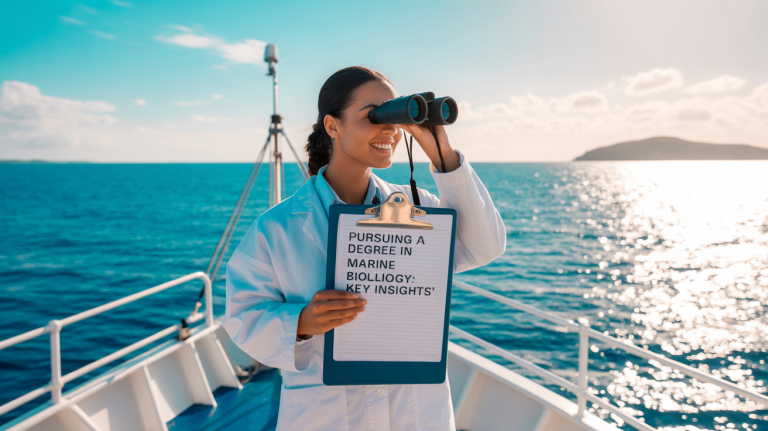
Pursuing a Degree in Marine Biology: What You Need to Know
What is Marine Biology?
Marine Biology is an academic discipline focused on the study of life processes and organisms that inhabit saltwater environments. This field encompasses a wide array of topics, from the genetics and evolution of marine species to their physiological traits and ecological interactions. Marine Biology programs are designed for those passionate about ocean ecosystems and interested in contributing to the scientific understanding and conservation of marine life.
What Do You Study in Marine Biology?
The curriculum for a Marine Biology degree generally includes both core coursework and opportunities for hands-on learning. Here’s a closer look at what students can expect to study:
Core Coursework
- Marine Organisms and Ecology: Analysis of marine species including fish, mollusks, corals, and marine mammals. Understanding of interspecies relationships and ecological interactions in marine environments.
- Marine Physiology and Behavior: Study of physiological adaptations of marine organisms to their environments. Exploration of behavioral ecology and how organisms interact within their habitats.
- Oceanography: Examination of ocean currents, tides, and marine geology. Understanding of the physical and chemical dynamics of ocean systems.
- Conservation and Environmental Management: Study of marine conservation strategies and policies. Understanding human impacts on marine ecosystems, including overfishing and pollution.
Elective Courses
Students can often choose elective courses that may include:
- Coastal Management
- Tropical Marine Biology
- Marine Biotechnology
- Aquatic Toxicology
- Marine Mammalogy
Hands-On Learning Opportunities
Many Marine Biology programs emphasize practical, field-based learning experiences.
- Laboratory and Field Courses: Students gain direct experience through laboratory classes and fieldwork, allowing them to study marine ecosystems firsthand.
- Research Opportunities: Programs often include independent research projects, where students can work on scientific inquiries relevant to marine biology.
- Seawater Laboratory Training: Students may have access to specialized laboratories that house live marine organisms for research and study.
- Field Trips: Students often participate in field trips to coastal areas, aquariums, and marine research stations, providing applied learning experiences.
Careers After Marine Biology
Graduates with a degree in Marine Biology can pursue diverse career opportunities across various sectors. Some potential career paths include:
- Marine Biologist
- Marine Ecologist
- Conservation Biologist
- Environmental Consultant
- Aquarist
- Marine Policy Analyst
- Research Scientist
- Educator at K-12 and Higher Education Levels
Salary Ranges
The salary for marine biology-related positions can vary significantly based on location, level of education, and specific role. Here are average salary ranges:
- Marine Biologist: $50,000 – $100,000 USD / €45,000 – €90,000
- Environmental Consultant: $55,000 – $95,000 USD / €50,000 – €85,000
- Educator (K-12): $40,000 – $60,000 USD / €35,000 – €55,000
- Research Scientist: $60,000 – $120,000 USD / €55,000 – €110,000
Is Marine Biology Hard to Study?
Students often wonder about the challenges they may face in a Marine Biology program. While the program can be demanding, it is also immensely rewarding.
Common Challenges
- Intensive Coursework: The program may involve rigorous scientific coursework that necessitates a solid foundation in biology, chemistry, and mathematics.
- Field Work Requirements: Hands-on field experiences can be physically demanding and may require work under various weather conditions.
- Research Projects: Completing independent research projects can be time-consuming and complex, but it is essential for developing practical skills.
Required Skills
To succeed in Marine Biology, students should develop the following skills:
- Strong analytical and problem-solving skills
- Ability to work in teams and collaborate on research projects
- Effective communication skills for reporting findings
- Passion for marine ecosystems and conservation advocacy
Preparation Tips
- Take Relevant High School Courses: Students should focus on biology, chemistry, and mathematics during high school to prepare for college-level coursework.
- Gain Volunteer Experience: Opportunities for volunteering with marine conservation organizations can provide valuable experience and enhance understanding of real-world marine issues.
- Develop Research Skills Early: Students should consider internships or summer programs that enhance research skills before entering the degree program.
Top Certifications After Marine Biology Graduation
After graduating from a Marine Biology program, several certifications, licenses, or qualifications may enhance career prospects:
- Certified Fisheries Professional (CFP): Demonstrates proficiency in fisheries management.
- Professional Scientist Certification: Recognizes expertise in marine sciences and conservation.
- SCUBA Diving Certification: Essential for conducting underwater research and fieldwork.
- Wildlife Rehabilitation Certification: Useful for those interested in animal care and rescue.
Where to Study Marine Biology
Prospective students looking to study Marine Biology at private universities have several excellent options:
These institutions not only offer comprehensive marine biology programs but also provide opportunities for experiential learning through field studies and research partnerships.
Conclusion
Marine Biology represents a thrilling and rewarding academic journey for those interested in the mysteries of the ocean and the life it sustains. Students who pursue this field will gain a deep understanding of marine ecosystems, acquire essential skills for research and conservation, and open the doors to various fulfilling career paths.
Take the Next Step with Study in Turkiye
For personalized guidance on pursuing a degree in Marine Biology or other academic programs, reach out to Study in Turkiye today. We are here to assist you in finding the right educational path for your future.

