
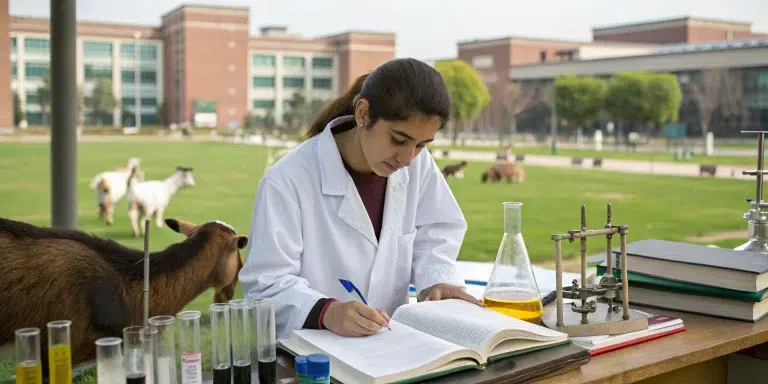
Pursuing a Degree in Animal Science: What You Need to Know
What is Animal Science?
Animal Science is a comprehensive field of study that focuses on the scientific understanding of animals, including their biology, behavior, management, and welfare. This academic discipline provides students with knowledge and skills related to the care, breeding, nutrition, genetics, physiology, and health of various animal species, ranging from livestock to companion animals.
Animal Science is a major that combines scientific principles with practical animal experience. Students learn about the science, art, and practical methods of caring for, improving, and managing livestock and companion animals. The curriculum is designed to provide a strong foundation in basic sciences paired with hands-on experience with animals.
The field encompasses various aspects of animal biology, biochemistry, molecular biology, and other life sciences as they apply to:
- Animal breeding and genetics
- Nutrition
- Physiology
- Growth
- Behavior
- Management
One notable aspect of pursuing an Animal Science degree is that an agricultural background is not necessarily required, making the field accessible to students from various backgrounds who share a passion for animals.
What Students Study in Animal Science Programs
Core Curriculum
Animal Science majors typically complete a set of required core courses that include:
- Anatomy and Physiology
- Animal Nutrition
- Genetics
- Management Strategies in Animal Enterprises
These foundational courses often use various animal species as teaching models, including:
- Beef Cattle
- Dairy Cattle
- Horses
- Poultry
- Swine
- Companion Animals
- Sheep
Advanced Coursework
Depending on the program, students may take specialized courses such as:
- Animal Husbandry
- Animal Behavior
- Microbiology
- Cell Biology
- Chemistry (including Organic Chemistry and Biochemistry)
- Animal Comparative Anatomy and Physiology
Program Flexibility
The Animal Science curriculum is often flexible, allowing students to personalize their program of study based on their interests and career goals. Students may choose from various concentrations, such as:
- Animal Biology/Preveterinary
- Animal Industry
- Companion and Exotic Animal Industry
- Dairy Industry
- Equine Industry
This flexibility enables students to tailor their education to work with a variety of species, from farm animals and pets to laboratory and exotic animals.
Career Opportunities for Animal Science Graduates
An Animal Science degree prepares students for diverse career paths. Graduates may find employment in various sectors, including:
Industry Positions
- Animal Production Manager
- Agricultural Consultant
- Agribusiness Analyst
- Livestock Nutritionist
- Animal Breeder
- Farm Manager
- Veterinary Technician
Scientific and Technical Careers
- Research Scientist
- Animal Behaviorist
- Animal Welfare Specialist
- Biotechnologist
- Conservation Scientist
Advanced Education
Many Animal Science graduates choose to pursue further education in fields such as:
- Veterinary Medicine
- Graduate Studies in Animal Science or Related Fields
These roles often require additional qualifications or degrees, especially for positions in veterinary medicine or research sciences.
Salary Outlook
- Animal Scientist: $61,000 – $101,000 (USD: €55,000 – €92,000)
- Veterinary Technician: $35,000 – $48,000 (USD: €32,000 – €43,000)
- Animal Production Manager: $45,000 – $85,000 (USD: €41,000 – €78,000)
- Research Scientist: $60,000 – $110,000 (USD: €55,000 – €100,000)
Is Animal Science Hard to Study?
Studying Animal Science can be challenging due to the requirement of a solid understanding of biological and physical sciences. Common challenges include:
- Workload: The curriculum can be rigorous, with a heavy emphasis on laboratory work and field studies.
- Science and Math Skills: A solid foundation in chemistry and biology is essential. Students may find courses in organic chemistry particularly demanding.
- Hands-On Experience: Many programs require practical experiences, which can be time-consuming but rewarding.
Required Skills
To succeed in Animal Science, students should have:
- Strong analytical skills
- Good communication abilities
- Attention to detail
- Problem-solving skills
- A genuine interest in animal welfare
Preparation Tips
- Take advanced science and math classes in high school to prepare for the college-level courses.
- Seek out volunteer opportunities with animals to gain practical experience before starting the program.
- Develop strong study habits and time management skills to keep up with the curriculum.
Top Certifications After Animal Science Graduation
Upon graduation, additional certifications can enhance career prospects:
- Certified Animal Welfare Administrator (CAWA): For those interested in animal welfare leadership.
- National Certified Veterinary Technician (NCVT): For graduates who want to work in veterinary clinics.
- Registered Animal Scientist (RAS): Offered through various professional associations for those in animal production roles.
- Graduate or Specialized Certifications: Offered through professional organizations focusing on specific areas of animal science.
Where to Study Animal Science
If you are considering pursuing a degree in Animal Science, several prestigious universities offer excellent programs, including:
These institutions provide comprehensive programs that equip students with the necessary knowledge and skills to thrive in the field of animal science.
For personalized guidance on selecting the right program for your academic and career goals, reach out to Study in Turkiye. We’re here to help you navigate your educational journey in Animal Science!
Take the Next Step with Study in Turkiye
Explore your educational options and embark on a rewarding career in Animal Science.

