
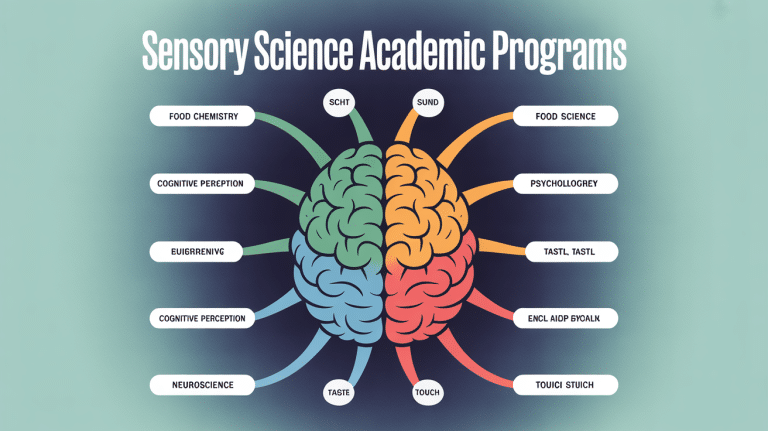
Overview of Sensory Science Academic Programs
What is Sensory Science?
Sensory Science is an interdisciplinary field focused on understanding how humans perceive and respond to products using their senses. Programs in sensory science combine foundational knowledge with applied research and industry-relevant skills, preparing graduates for careers in food, beverage, consumer goods, and related sectors.
Sensory Science academic programs are designed to train students and professionals in the physiological and psychological principles of sensory perception and evaluation. These programs provide knowledge crucial for understanding how our five senses—taste, smell, vision, hearing, and touch—affect decision-making and behavior in relation to products.
Key features of these programs include:
- A focus on both edible and non-edible product evaluation techniques.
- Integration of cutting-edge research insights into practical skills.
- Close collaboration with industry partners to ensure contemporary relevance.
What Do You Study in Sensory Science?
The curriculum for a Sensory Science program encompasses a mix of foundational knowledge, practical skills, and advanced topics. Here’s a detailed breakdown of what students can expect:
Foundational Courses in Sensory Science
- Human Senses: Introduction to the physiology of taste, smell, vision, hearing, and touch, emphasizing how these senses function and interact.
- Sensory Information Processing: Exploration of how the brain processes sensory input and influences perception.
- Psychophysics: The study of quantitative methods used to measure sensory responses.
Sensory Evaluation Methods
- Evaluation Techniques: Training on discrimination testing, scaling, and descriptive analysis to assess consumer products.
- Instrumental Measurements: Learning when and how to use tools in conjunction with human testing for accurate results.
- Data Analysis: Statistical methods for interpreting sensory data using univariate and multivariate analysis.
Consumer Testing Methods
- Test Design: Principles of designing effective consumer tests, including laboratory settings and field studies.
- Consumer Recruitment: Methods for screening and sampling consumers for studies.
- Qualitative Research: Techniques such as focus groups and ethnographic methods to gather consumer insights.
Applications and Business Integration
- Product Development: Use of sensory insights to inform product innovations and marketing strategies.
- Case Studies: Examination of real-world applications of sensory science across various industries.
Advanced and Recent Developments
- Flavor Descriptive Terminology: Understanding the language and metrics used in sensory science.
- Trends in Research: Exposure to the latest methodologies and innovations in sensory evaluation.
Careers After Sensory Science
Graduates of sensory science programs find diverse career opportunities in multiple sectors. Some potential job titles include:
- Sensory Scientist/Analyst
- Consumer Insights Specialist
- Product Development Scientist
- Food and Beverage Innovation Expert
- Quality Assurance Specialist
These roles are prevalent in industries such as food and beverages, consumer packaged goods, market research, and cosmetics. The salaries for these positions can vary by region, experience, and specific sector. Here’s an overview of average salaries:
- Sensory Scientist: $55,000 – $85,000 (USD) / €50,000 – €75,000 (EUR)
- Consumer Insights Specialist: $60,000 – $90,000 (USD) / €55,000 – €80,000 (EUR)
- Product Development Scientist: $70,000 – $100,000 (USD) / €65,000 – €90,000 (EUR)
- Food and Beverage Innovation Expert: $65,000 – $95,000 (USD) / €60,000 – €85,000 (EUR)
- Quality Assurance Specialist: $50,000 – $75,000 (USD) / €45,000 – €65,000 (EUR)
Is Sensory Science Hard to Study?
Studying Sensory Science involves navigating complex concepts from multiple disciplines, including psychology, food science, statistics, and marketing. Students may face challenges such as:
- Understanding Advanced Statistics: Proficiency in data analysis is crucial but can be challenging for those without a strong math background.
- Integration of Theory and Practical Skills: Balancing academic concepts with hands-on experiences requires robust time management skills.
- Continuous Industry Changes: Keeping up with evolving practices and technologies in sensory science necessitates ongoing learning.
To prepare effectively for the program, students should:
- Develop a foundational understanding of statistics.
- Gain experience with sensory evaluation through internships or workshops.
- Engage with industry professionals and participate in relevant networking opportunities.
Top Certifications After Sensory Science Graduation
While a degree in Sensory Science prepares graduates for numerous professional roles, certain certifications can further enhance employability and expertise. Consider obtaining the following:
- Certified Sensory Analyst: Validation of expertise in sensory analysis methodologies.
- Food Science Certification: For those working in food-related industries, this certification can bolster credentials.
- Consumer Insights Professional (CIP): This certification can position graduates as specialists in understanding consumer behavior and preferences.
These certifications not only demonstrate professional commitment but also may provide a competitive edge in the job market.
Where to Study Sensory Science
If you’re considering a Sensory Science program, several prestigious universities in Turkiye offer excellent academic options. Here are a few notable institutions:
Conclusion
In summary, Sensory Science academic programs offer rigorous training that blends scientific knowledge and industry practice, equipping graduates with the skills needed for impactful careers in product development, evaluation, and consumer research. For personalized assistance in finding the right program for you, reach out to SIT Search to explore your options further.
Take the Next Step with Study in Turkiye
Are you ready to explore your options in Sensory Science? Dive deeper into available programs and begin your journey towards a rewarding career.

