
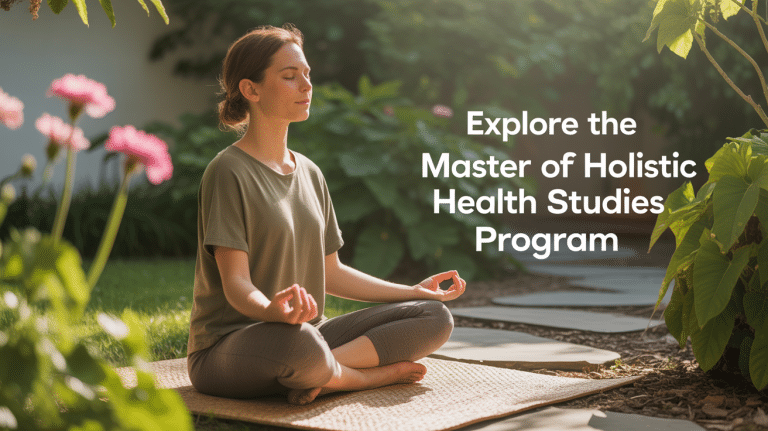
Master of Holistic Health Studies: Program Overview
What Do You Study?
Careers After Graduation
Is it Hard to Study?
Top Certifications
Where to Study
What is Master of Holistic Health Studies?
The Master of Arts in Holistic Health Studies (MAHS) is an innovative, interdisciplinary graduate program designed for individuals seeking to deepen their understanding of holistic health models and healing practices. It emphasizes a multifaceted approach, integrating traditional wisdom and contemporary scientific methodologies. This program caters to diverse backgrounds and equips students with the tools to lead and innovate in the realms of holistic and integrative health.
The MAHS program centers on a comprehensive exploration of health as a multi-dimensional concept that encompasses physical, emotional, mental, and spiritual well-being. Students engage with a rich curriculum that combines theoretical knowledge, practical applications, and ethical considerations in holistic healthcare practices.
What Do You Study in Master of Holistic Health Studies?
The coursework in the Master of Holistic Health Studies offers a robust foundation in the critical aspects of holistic health. The key learning areas can be categorized into core subjects and elective courses, practical experiences, and research opportunities.
Core Curriculum
- Holistic Health Philosophy: Students will explore the historical and philosophical foundations of holistic health, examining the evolution and significance of holistic models in contemporary healthcare settings.
- Emerging and Integrative Healthcare Models: This component focuses on the research surrounding integrative healthcare methodologies and their application in real-world settings.
- Cultural and Spiritual Influences: Students will analyze how various cultural and spiritual traditions shape health perceptions and practices globally, further enhancing their understanding of cross-cultural healthcare dynamics.
- Ethical Leadership in Health: Development of ethical leadership skills related to health and wellness, which prepares students to take on advocacy and administrative roles in diverse healthcare settings.
Elective Courses
Students may choose from a variety of elective courses that align with their interests and career goals. Potential electives can include:
- Nutrition and Wellness
- Mind-Body Integration
- Stress Management Techniques
- Healthcare Policy and Advocacy
Practical Experiences
The program may incorporate hands-on workshops, labs, or internships, enabling students to:
- Engage in community outreach projects focusing on holistic health education.
- Participate in research under the guidance of experienced faculty.
- Complete a personalized capstone project, synthesizing their learning and contributing to the field of holistic health.
Careers After Master of Holistic Health Studies
Graduates of the Master of Arts in Holistic Health Studies are well-prepared for a diverse array of careers that blend healthcare with holistic practices. The following outlines potential career outcomes:
- Integrative Health Program Developer
- Health Educator and Wellness Coordinator
- Healthcare Policy Advocate
- Consultant in Holistic Health Practices
- Administrative Roles in Integrative Facilities
Sample Job Titles:
- Holistic Health Practitioner
- Wellness Coach
- Integrative Care Coordinator
- Health Program Manager
- Community Health Educator
Salary Expectations
Salaries can vary significantly based on geographical location, level of experience, and specific industry. However, as a reference for average salaries globally, here are some estimates:
- USD: $50,000 – $85,000 per year
- EUR: €45,000 – €75,000 per year
Is Master of Holistic Health Studies Hard to Study?
Studying holistic health can present several challenges, which may include:
- Diverse Subject Matter: The interdisciplinary nature of the program requires students to grasp concepts from various fields, such as sociology, psychology, nutrition, and medicine.
- Critical Evaluation Skills: Students are expected to develop strong analytical skills to evaluate holistic practices critically and integrate them with scientific approaches.
To prepare for the demands of this program, prospective students should:
- Gain Foundational Knowledge: Familiarity with basic health sciences and an understanding of cultural health practices can provide a strong base.
- Develop Research Skills: Enhance your abilities in qualitative and quantitative research, which are essential for coursework and capstone projects.
- Cultivate Personal Wellness Practices: Engaging in personal holistic health practices can provide insights and enhance students’ understanding of the material.
Top Certifications After Master of Holistic Health Studies Graduation
Upon finishing the Master of Arts in Holistic Health Studies, graduates may consider obtaining relevant certifications to bolster their qualifications and enhance their career opportunities. While specific certifications can vary by region, here are some recognized credentials:
- Certified Wellness Practitioner (CWP)
- Certified Holistic Health Coach (CHHC)
- National Board for Health and Wellness Coaching (NBHWC) certification
- Integrative Health Certification through recognized organizations
Where to Study Master of Holistic Health Studies
Students interested in pursuing a Master of Arts in Holistic Health Studies can consider the following top private universities that offer relevant programs:
These institutions are known for their strong emphasis on interdisciplinary approaches and holistic health practices, offering a rich educational experience to students.
Take the Next Step with Study in Turkiye
If you’re considering a career in holistic health or looking to enhance your existing health career with holistic approaches, reach out to Study in Turkiye for personalized assistance in finding the right program for you. Let us help you navigate your academic journey and explore the exciting opportunities ahead!

