
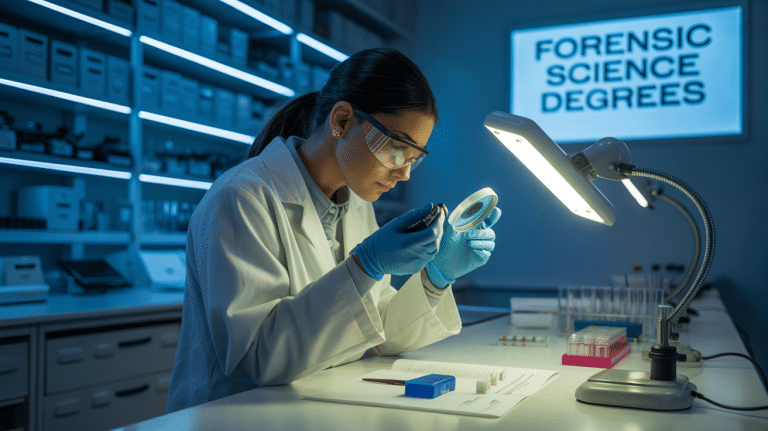
Forensic Science Degrees: Curriculum Insights & Careers
What Do You Study in Forensic Science? |
Careers After Forensic Science |
Is Forensic Science Hard to Study? |
Top Certifications After Forensic Science Graduation |
Where to Study Forensic Science
What is Forensic Science?
Forensic science is the application of scientific principles and techniques to analyze physical evidence in legal investigations. It encompasses a variety of disciplines such as biology, chemistry, criminal justice, and even engineering. Students enrolled in forensic science programs learn not only how to conduct scientific analyses but also how to understand the legal context in which such analyses occur.
The primary goal of forensic science education is to prepare students for a profession that requires meticulous attention to detail, critical thinking, and a solid foundation in scientific methods. Graduates can expect to work in a variety of settings, including crime laboratories, law enforcement agencies, and private consulting firms.
What Do You Study in Forensic Science?
Core Subjects
Forensic science degree programs typically cover a range of core subjects designed to equip students with the necessary foundational knowledge and practical skills. The curriculum is often structured across the following categories:
- Biological and Chemical Sciences: Courses like General Biology, Genetics, Cell Physiology, General Chemistry, and Analytical Chemistry provide students with a solid grounding in essential scientific principles. Laboratory experiences are crucial, enabling students to apply theoretical concepts to real-life evidence analysis.
- Criminal Justice: Understanding the legal context is essential for forensic scientists. Coursework covering Introduction to Criminal Justice, Criminal Procedure, and Criminal Investigation ensures students are well-versed in the operational frameworks of the justice system.
- Forensic Science Specializations: Specialized courses are available, such as Forensic Anthropology, Forensic Botany, Toxicology, and Crime Scene Technology. These courses focus on specific types of evidence and methodologies relevant to criminal investigations. Practical skills are developed through lab work, where students learn the techniques of evidence collection and analysis.
Elective Courses
In addition to core subjects, forensic science programs may offer elective courses in areas such as:
- Digital Forensics: Investigating crimes involving digital technology.
- Forensic Psychology: Understanding the psychological aspects of criminal behavior.
- Environmental Forensics: Analyzing evidence related to environmental crimes.
Labs, Workshops, and Internships
Most programs emphasize hands-on learning:
- Laboratories: Students engage in laboratory work to practice techniques used in forensic analysis, such as DNA extraction, toxicological screening, and fingerprint analysis.
- Workshops: Workshops may include hands-on crime scene investigation exercises, evidence collection simulation, and discussions with professionals in the field.
- Internships: Many universities encourage internships with local law enforcement or forensic labs, allowing students to gain valuable real-world experience and networking opportunities.
Careers After Forensic Science
Graduates of forensic science programs can pursue a wide variety of careers in both scientific and investigative domains. Here are some common job titles and their respective industries:
- Forensic Scientist/Laboratory Analyst – Industries: Law Enforcement, Government Forensic Labs
- Crime Scene Investigator – Industries: Local Police Departments, Federal Agencies
- Forensic Toxicologist – Industries: Toxicology Labs, Medical Examiner Offices
- Forensic Pathologist – Industries: Health Care, Medical Research
- Digital Forensic Analyst – Industries: Cybersecurity Firms, Law Enforcement
- Crime Laboratory Technician – Industries: Private Laboratories, Government Agencies
Salary Expectations
The salary for forensic science professionals varies by role, geographic location, and level of experience. Here is an overview of average global salaries:
- Forensic Scientist: USD: $60,000 – $85,000 | EUR: €50,000 – €75,000
- Crime Scene Investigator: USD: $45,000 – $70,000 | EUR: €40,000 – €60,000
- Forensic Toxicologist: USD: $65,000 – $95,000 | EUR: €55,000 – €80,000
Is Forensic Science Hard to Study?
Forensic science can indeed be challenging, primarily due to its interdisciplinary nature and the rigorous scientific methodologies involved. Here are some common challenges associated with studying forensic science:
Common Challenges
- Complex Subject Matter: Students must master a variety of scientific concepts ranging from biology and chemistry to criminal law.
- Attention to Detail: Forensic work requires meticulous attention to detail, as errors can significantly impact investigations.
- Critical Thinking and Problem Solving: Students are required to analyze evidence critically and formulate logical conclusions, often under pressure.
Required Skills
Some essential skills for success in forensic science include:
- Analytical Skills: The ability to assess data and identify relevant evidence is crucial.
- Technical Proficiency: Familiarity with laboratory equipment and software used in forensic analysis is necessary.
- Communication Skills: Clear communication is vital, especially when presenting findings in court.
Preparation Tips
To excel in a forensic science program, students should:
- Engage actively in laboratory work for practical experience.
- Supplement studies with literature in criminology, law, and forensic methodology.
- Consider internships for exposure to professional environments.
Top Certifications After Forensic Science Graduation
Graduates may need to pursue certifications to enhance their employment opportunities and credibility in the field. Common certifications include:
- American Board of Criminalistics (ABC) Certification: Recognized credential for forensic professionals.
- Certified Forensic Engineer (CFEI): A credential for those specializing in forensic engineering.
- Forensic Animator Certification: For professionals utilizing animation in the courtroom.
- Certification in Digital Forensics (ACFEI): Specifically for those entering digital forensics.
Certifications vary by specialization and geographic location; thus, graduates should research local requirements for their desired career path.
Where to Study Forensic Science
For those looking to pursue a degree in forensic science, various esteemed universities in Turkiye offer robust programs:
- Medipol University – Known for its modern curriculum and experienced faculty.
- Istinye University – Offers strong practical components in their program.
- Bahcesehir University (BAU) – Renowned for its interdisciplinary approach to forensic studies.
- Uskudar University – Provides students with extensive lab experiences.
These institutions provide the necessary academic foundation and practical skills needed to excel in the field of forensic science.
Take the Next Step with Study in Turkiye
As you embark on your journey to a career in forensic science, consider exploring the excellent programs available through these universities. For personalized assistance in finding the right forensic science program for you, reach out to SIT Search today!

