
Fine Arts Studies: What You Need to Know
What is Fine Arts?
Fine Arts is a multifaceted academic discipline that encompasses various forms of visual arts, including painting, sculpture, printmaking, photography, and digital media. The program aims to cultivate artistic talent while instilling a broad understanding of the historical, theoretical, and contextual dimensions of art. Typically, Fine Arts programs are offered at several educational levels, including:
- Associate Degrees: Designed for students seeking foundational knowledge and skills, often leading to further study or entry-level positions in the arts.
- Bachelor’s Degrees: These provide a comprehensive education that prepares students for both professional art practice and higher academic pursuits.
- Master of Fine Arts (MFA): A graduate degree focusing on deepening artistic development and scholarly research, enabling students to refine their skills and engage with complex art theories.
This program is perfect for creative individuals who aspire to make a mark in the arts sector or pursue teaching and scholarly avenues in Fine Arts.
What Do You Study in Fine Arts?
Fine Arts programs typically involve a rich blend of theoretical understanding and practical application. The curriculum is structured to enhance creativity, technical skills, and intellectual growth.
Core Subjects and Elective Courses
In Fine Arts, students engage with a diverse range of subjects:
- Art History: Critical examination of various art movements, their context, and impact on society.
- Studio Techniques: Hands-on courses focused on painting, drawing, sculpture, and digital media.
- Critique and Theory: Developing the ability to analyze, articulate, and debate artistic concepts and practices.
- Creative Process Studies: Engaging with conceptual frameworks that guide artistic creation.
- Professional Practices: Preparing students for the business and marketing aspects of an art career.
Labs, Workshops, and Internships
Many universities include practical components, such as:
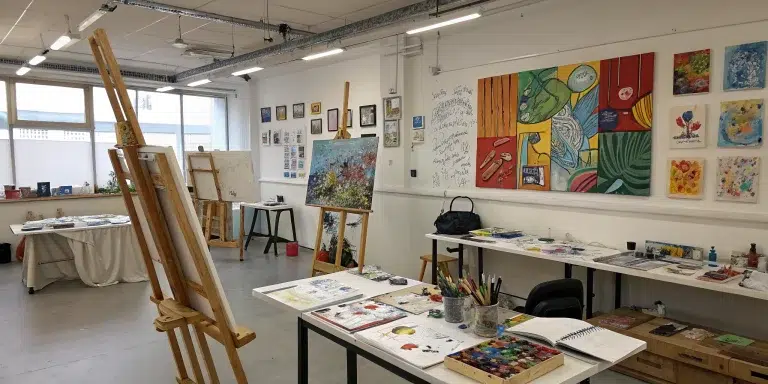
- Studio Labs: Dedicated spaces for hands-on art creation, experimentation, and collaboration.
- Workshops by Professionals: Interactive sessions with established artists providing insights into contemporary practices.
- Internships: Opportunities to work with galleries, museums, or community art organizations, enhancing employability through practical experience.
For example, programs at Bahcesehir University and Medipol University provide their students with extensive resources and opportunities to engage with the art community actively.
Careers After Fine Arts
Graduates with a Fine Arts degree can enter various sectors, leveraging their artistic skills in numerous career paths, including:
- Artist (Fine Artist or Commercial Artist)
- Art Director
- Graphic Designer
- Art Curator
- Art Educator
- Illustrator
- Museum Technician or Educator
- Set Designer
Salary Ranges
Salaries can vary significantly based on factors such as location, experience, and specialization. Here are some average salary estimates:
- Fine Artist: $45,000 – $70,000 (USD) / €39,000 – €58,000
- Art Director: $61,000 – $106,000 (USD) / €52,000 – €90,000
- Graphic Designer: $45,000 – $65,000 (USD) / €39,000 – €56,000
- Art Curator: $50,000 – $85,000 (USD) / €43,000 – €73,000
- Art Educator: $50,000 – $75,000 (USD) / €43,000 – €65,000
These roles are typically found within various industries, such as art galleries, educational institutions, publishing, advertising agencies, and more.
Is Fine Arts Hard to Study?
Many prospective students wonder about the difficulty of studying Fine Arts. Here are some common challenges and required skills:
Common Challenges
- Criticism: Regularly participating in critiques can be daunting, requiring students to develop resilience and openness to feedback.
- Self-Discipline: Balancing studio work and theoretical classes demands strong time management and motivation.
- Financial Uncertainty: Many artists face unstable income streams initially, which can be challenging for students transitioning to professional practice.
Required Skills
- Creativity: An innate love for art and innovative thinking.
- Technical Proficiency: Mastery of various artistic techniques and tools.
- Critical Thinking: Ability to analyze and critique art thoughtfully.
- Collaboration: Willingness to work alongside other artists and professionals.
Preparation Tips
- Practice Regularly: Engage in daily artistic practice to cultivate skills and find one’s style.
- Explore Different Mediums: Gain exposure to various artistic disciplines to find personal strengths and preferences.
- Seek Feedback: Participate in peer reviews and critiques to learn to articulate thoughts and receive constructive criticism.
Top Certifications After Fine Arts Graduation
Although a degree in Fine Arts is an excellent foundation, additional certifications can enhance employability and professional growth. Some valuable certifications include:
- Certified Associate in Project Management (CAPM): Beneficial for artists managing projects, especially in collaborative settings.
- Adobe Certified Expert (ACE): Important for graphic design professionals using Adobe products extensively.
- Teaching Certification: Required to teach art at the K-12 level or in community colleges in many jurisdictions.
These certifications can significantly boost job prospects and validate a graduate’s skills in the competitive art world.
Where to Study Fine Arts
Pursuing Fine Arts can be done at various top private universities, particularly in Turkiye, which offer robust programs addressing the needs of aspiring artists. Prominent universities to consider include:
Universities to Consider
- Bahcesehir University – Known for its interdisciplinary approach and strong emphasis on community engagement in the arts.
- Medipol University – Offers innovative programs incorporating contemporary practices relevant to the art industry.
- Istinye University – Focuses on practical skills through dedicated workshops and studio facilities.
These universities provide not only a solid educational foundation but also valuable networking opportunities within the art community, ensuring students are well-prepared for their future careers.
For students eager to delve into Fine Arts and gain a comprehensive understanding of the program, connecting with Study in Turkiye can provide personalized assistance and guidance tailored to your educational journey.
Take the Next Step with Study in Turkiye
Explore further to find out how you can embark on your Fine Arts journey in Turkiye. We encourage you to take the next steps towards your educational goals.

