
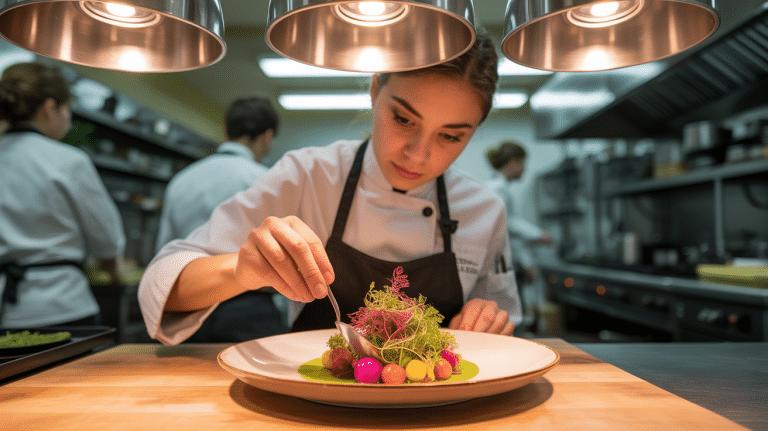
Exploring the Gastronomy and Culinary Arts Program
Table of Contents
What is Gastronomy and Culinary Arts?
The Gastronomy and Culinary Arts program focuses on the art and science of cooking and food preparation. It encompasses a comprehensive study of culinary techniques, food science, nutrition, and the global culinary landscape.
Students learn the theoretical aspects of gastronomy along with practical cooking skills, preparing them for various roles in the culinary world. This program typically emphasizes sustainability, seasonality, and the cultural significance of dishes and ingredients, positioning its graduates as experts in their field.
The curriculum often includes coursework on the history of food, nutrition, kitchen management, and recipe development, allowing students to explore both traditional and modern culinary practices. Encouraging innovation, the program also often covers topics such as food design and gastronomy trends.
What Do You Study in Gastronomy and Culinary Arts?
In the Gastronomy and Culinary Arts program, students will engage in a varied and dynamic curriculum designed to equip them with both the foundational skills and advanced knowledge necessary for success in the culinary industry.
Core Subjects
- Culinary Techniques:
- Basics of cooking methods (sautéing, grilling, baking, etc.)
- Knife skills and food prep techniques
- Recipe interpretation and adaptation
- Food Science:
- Understanding the science of cooking and ingredient interactions
- Exploration of flavor profiles and food chemistry
- Nutrition fundamentals and dietary requirements
- Management and Operations:
- Principles of kitchen management and food safety
- Inventory management and cost control
- Customer service and hospitality principles
- Cultural Studies in Food:
- History and evolution of cuisine
- Global culinary practices and regional cuisines
- The role of food in culture and society
Elective Courses
Students also have the option to select electives based on their specific interests, allowing for specialization in areas such as:
- Baking and Pastry Arts:
- Techniques for producing various baked goods and desserts
- Confectionery and chocolate work
- International Cuisine:
- Study of distinct global cuisines and cooking styles
- Hands-on cooking classes focused on ethnic dishes
- Sustainability in Gastronomy:
- Focus on local and sustainable practices
- The study of ethical sourcing and environmental impacts of food production
Labs, Workshops, and Internships
Practical experience is crucial in the Gastronomy and Culinary Arts program. Students typically participate in various labs and workshops where they can practice their culinary skills in a professional kitchen environment.
- Culinary Labs: Daily cooking assignments that simulate real-life kitchen scenarios, emphasizing teamwork and collaboration within kitchen brigades.
- Workshops: Guest chef demonstrations and specialized workshops in specific techniques or cuisines, providing opportunities to innovate and create new recipes.
- Internships: Students often have the chance to complete internships in restaurants, hotels, and catering companies that provide vital industry experience and networking opportunities.
Careers After Gastronomy and Culinary Arts
Graduates of Gastronomy and Culinary Arts have a plethora of career options available to them in diverse sectors within the food industry. Depending on their specialty and interests, they may pursue a variety of roles, including:
- Executive Chef
- Sous Chef
- Pastry Chef
- Food Scientist
- Food and Beverage Manager
- Culinary Instructor
- Recipe Developer
- Food Critic or Journalist
- Restaurant Owner
- Event Caterer
Salary Expectations
The salaries for careers in gastronomy and culinary arts can vary significantly based on location, level of experience, and the type of establishment. Here are average figures for various roles in both USD and EUR:
- Executive Chef: $60,000 – $120,000 (EUR 54,000 – EUR 108,000)
- Sous Chef: $40,000 – $70,000 (EUR 36,000 – EUR 63,000)
- Pastry Chef: $35,000 – $65,000 (EUR 31,500 – EUR 58,500)
- Food Scientist: $50,000 – $80,000 (EUR 45,000 – EUR 72,000)
- Culinary Instructor: $40,000 – $80,000 (EUR 36,000 – EUR 72,000)
Is Gastronomy and Culinary Arts Hard to Study?
Studying Gastronomy and Culinary Arts can be both rewarding and challenging. The program demands both creativity and discipline, and the learning environment is often fast-paced and intensive. Here are common challenges faced by students, along with required skills and preparation tips:
Common Challenges
- Time Management: Managing multiple kitchen responsibilities while meeting deadlines for assignments and projects is crucial.
- Physical Demands: The nature of culinary work often involves long hours on your feet, lifting heavy items, and working in a hot kitchen.
- Balancing Theory and Practice: Finding the right balance between studying food science and applying those concepts in practical cooking scenarios can be challenging.
- Creativity Under Pressure: Constantly innovating while handling the pressures of a busy kitchen can be mentally demanding.
Required Skills
- Strong interpersonal and communication skills for collaborative culinary work.
- Attention to detail and precision in food preparation and presentation.
- Creativity and adaptability in crafting dishes and managing kitchen challenges.
- Strong foundation in basic culinary techniques and culinary arts knowledge.
Preparation Tips
- Engage in self-directed practice at home to refine cooking skills.
- Work in kitchens part-time to gain hands-on experience.
- Attend culinary workshops or short courses to immerse yourself in diverse culinary styles.
- Join culinary clubs or organizations to network and exchange knowledge with peers.
Top Certifications After Gastronomy and Culinary Arts Graduation
While a degree in Gastronomy and Culinary Arts is a significant achievement, obtaining professional certifications can enhance career prospects. Here are some essential certifications graduates should consider:
- Culinary Certification (e.g., ACF Certified Culinarian): Available through the American Culinary Federation, this certification validates culinary skills and techniques.
- ServSafe Food Safety Certification: Recognized nationally in the U.S., this certification ensures knowledge of food safety practices essential for all culinary professionals.
- Certified Executive Chef (CEC): Akin to a master’s degree in culinary arts, this qualification is awarded to those who meet specific competencies in kitchen management and food preparation.
- Level 2 Award in Food Safety in Catering: An important certification for those wanting to work in the food industry, especially in operational roles.
Where to Study Gastronomy and Culinary Arts
Numerous universities offer esteemed programs in Gastronomy and Culinary Arts. Here are some of the leading institutions providing this academic path:
These universities provide state-of-the-art facilities, experienced faculty, and hands-on learning environments essential for aspiring culinary professionals.
Take the Next Step with Study in Turkiye
As you consider embarking on your journey in Gastronomy and Culinary Arts, remember that this field combines creativity, science, and culture. If you need personalized assistance in finding the right program or navigating your options, please reach out to Study in Turkiye for expert guidance tailored to your educational aspirations.

