
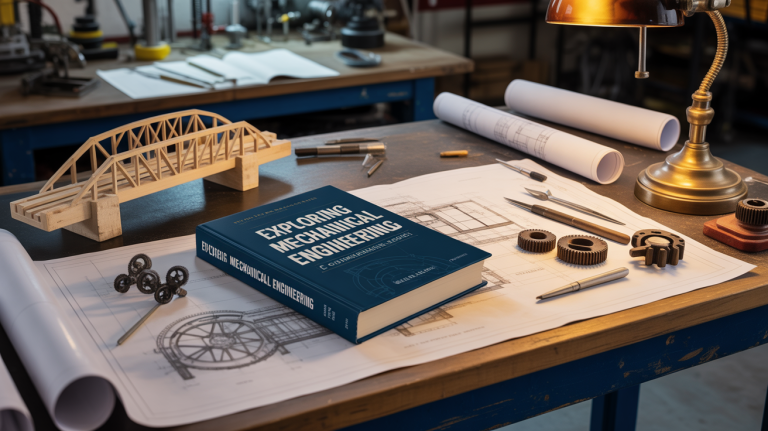
Exploring Mechanical Engineering: A Comprehensive Guide
What is Mechanical Engineering?
Mechanical engineering encompasses the principles of engineering, physics, and materials science to design and analyze objects, mechanisms, and systems that involve movement and energy transformation. This discipline applies core concepts such as mechanics, thermodynamics, kinematics, and material science to develop practical solutions for various challenges faced by industries.
With a focus on optimizing efficiency and functionality, mechanical engineers are involved in creating products ranging from everyday appliances to sophisticated machinery used in advanced technology sectors. They work on projects that require critical thinking and technical expertise, making significant advancements in manufacturing processes, energy systems, and product design.
What Do You Study in Mechanical Engineering?
The curriculum for a mechanical engineering program is designed to provide students with a well-rounded education that combines theoretical knowledge with practical skills. Below is a breakdown of core subjects and electives that students typically study during their tenure in a mechanical engineering program.
Core Subjects
- Mathematics for Engineers:
- Calculus
- Differential Equations
- Linear Algebra
- Physics:
- Classical Mechanics
- Thermodynamics
- Dynamics
- Material Science:
- Properties of Materials
- Metallurgy
- Composite Materials
- Mechanics of Materials:
- Stress and Strain Analysis
- Fatigue and Failure Theories
- Structural Analysis
- Fluid Dynamics:
- Fluid Mechanics
- Hydraulics
- Aerodynamics
- Thermal Science:
- Heat Transfer
- Thermodynamics
- Refrigeration and Cryogenics
- Mechanical Design:
- Machine Design
- Creative Design Processes
- CAD (Computer-Aided Design)
Elective Courses
Students in mechanical engineering programs may choose from a range of elective courses to tailor their education according to their interests, which may include:
- Robotics and Automation
- Renewable Energy Systems
- Automotive Engineering
- Aerospace Engineering
- Biomechanics
- Nanotechnology
- Advanced Manufacturing Techniques
Labs, Workshops, and Internships
Practical experience is integral to mechanical engineering education. Most programs include hands-on labs and workshops where students can apply theoretical knowledge to real-world scenarios. These may involve:
- Mechanical fabrication and prototyping
- Robotics and automation labs
- Fluid mechanics laboratories
- Thermal systems laboratories
Additionally, internships are often encouraged or required, providing students invaluable experience in industry settings that enhances their employability upon graduation.
Careers After Mechanical Engineering
Graduates of mechanical engineering have a multitude of career options across various industries. The skills acquired during the program make them suitable for numerous roles, including:
- Mechanical Design Engineer
- Manufacturing Engineer
- Aerospace Engineer
- Robotics Engineer
- Automotive Engineer
- Energy Systems Engineer
- Operations Research Analyst
Mechanical engineers can find employment in sectors such as aerospace, automotive, manufacturing, energy, and research and development.
Average Salaries Globally
Salaries for mechanical engineers may vary depending on the region, industry, and experience level. Below are estimated average salary ranges:
- United States: $70,000 – $110,000 USD
- European Union: €50,000 – €85,000 EUR
- Turkiye: 30,000 – 60,000 TRY
These figures can fluctuate based on demand, the complexity of roles, and geographical socio-economic factors.
Is Mechanical Engineering Hard to Study?
The challenges in mechanical engineering can be significant. The program demands a solid foundation in science and mathematics and requires resilience and dedication. Common challenges include:
- Complex Calculations: Courses often involve advanced mathematics that can initially be challenging for students.
- Conceptual Understanding: Grasping the intricate relationships between theoretical principles and their real-world applications can be difficult.
- Team Projects: Collaborative projects necessitate effective communication and teamwork, which can be daunting for some students.
Required Skills
To succeed, students should cultivate the following skills:
- Analytical Thinking: The ability to analyze problems and design efficient solutions is crucial.
- Technical Proficiency: Familiarity with engineering tools and software, such as CAD programs, is necessary.
- Attention to Detail: Precision in calculations and designs is integral to engineering.
Preparation Tips
- Strengthen Math and Science Foundations: Prioritize your knowledge in high school mathematics and sciences.
- Engage in Hands-On Projects: Participate in engineering clubs or activities that foster practical skills.
- Seek Internships Early: Gaining practical experience can provide insights into the discipline and enhance your resume.
Top Certifications After Mechanical Engineering Graduation
Upon completion of a mechanical engineering degree, graduates may pursue various certifications to enhance their credentials and job prospects. Relevant certifications include:
- Professional Engineer (PE): Certification that allows engineers to practice independently and is often required for advanced positions.
- Certified Manufacturing Engineer (CMfgE): Recognizes expertise in manufacturing processes and systems.
- Lean Six Sigma Certification: Focuses on process improvement and operational efficiency.
Accreditation and certification can significantly impact career advancement and earning potential.
Where to Study Mechanical Engineering
Prospective students can pursue mechanical engineering at several prestigious institutions. Here are some private universities offering this program:
These institutions provide robust mechanical engineering programs equipped with modern facilities and experienced faculty.
Take the Next Step with Study in Turkiye
For personalized guidance in navigating your academic journey in mechanical engineering, reach out to SIT Search. Our team is here to assist you in finding the right program tailored to your aspirations and career goals.

