
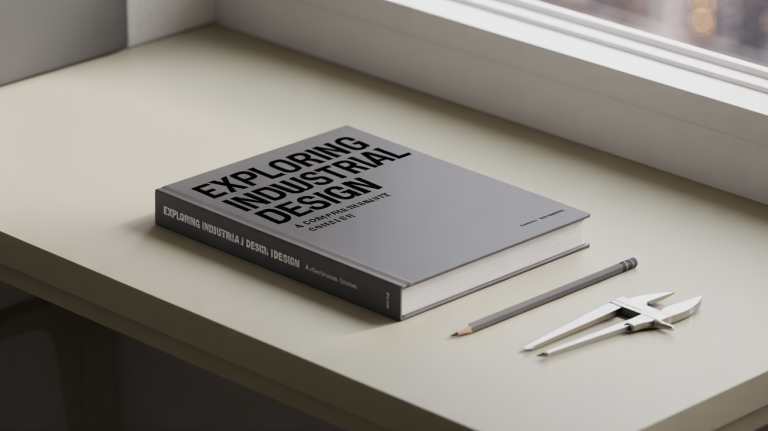
Exploring Industrial Design: A Comprehensive Guide
What is Industrial Design?
Industrial Design is an innovative field that integrates creativity with practicality, focusing on the development of manufactured products while considering human factors, aesthetics, functionality, and sustainability. This discipline provides a comprehensive education that prepares students to become professional product designers, equipping them with the necessary technical skills, creative thinking, and practical application required in today’s rapidly evolving market.
Industrial Design encompasses the creation and development of a variety of products, ranging from consumer goods to industrial equipment. Designers in this field are tasked with ensuring that the visual appeal, safety, usability, maintainability, and cost-effectiveness of products are all taken into consideration. They must also engage in research and design activities linked to major areas such as human behavior, ergonomics, environmental impact, and product development.
At its core, Industrial Design extends beyond merely crafting visually appealing products. It involves responsibilities related to sustainability, product liability, and responsiveness to cultural differences. Designers employ a mix of digital tools and traditional media to create projects tailored to user needs and market trends.
What Do You Study in Industrial Design?
Industrial Design programs typically offer a Bachelor of Science degree, with a comprehensive four-year curriculum designed to provide students with both theoretical knowledge and practical skills.
Foundation Year
Students typically begin their journey in Industrial Design with a foundational year, shared with other design disciplines to foster community and foundational skills. The coursework during this year may include:
- Design and Graphics Classes: Utilizing both digital and traditional media to build basic design capabilities.
- Color Theory: Understanding color dynamics and applications in design.
- Art History: Exploring the evolution of design and the impact of art movements.
- General Education Courses: Including mathematics, English, and social sciences to develop critical thinking and communication skills.
Core Curriculum
Once the foundational year is completed, students delve deeper into specialized areas such as:
- Human-Centered Design Principles: Understanding user needs and behaviors to inform product development.
- Product Development Methodologies: Exploring processes from concept to production.
- Materials and Manufacturing Processes: Learning about different materials and their suitability for various designs.
- Human Behavior and Ergonomics: Analyzing how users interact with products and spaces to enhance usability.
- Sustainability Practices: Studying environmentally friendly design methods.
- Digital and Traditional Media Applications: Mastering tools and techniques for effective design communication.
Areas of Study
Students will also explore diverse product categories, which may include:
- Furniture and Home Goods: Creating functional and aesthetically appealing items for everyday use.
- Textiles and Housewares: Designing soft goods and household products.
- Appliances and Consumer Electronics: Innovating the next generation of household gadgets.
- Transportation Design: Focusing on vehicles and the systems that support them.
- Tools and Equipment: Developing functional tools for various industries.
- Medical Instruments: Creating essential healthcare equipment.
- Human-Computer Interfaces: Designing the interaction between people and digital devices.
- Recreational Support Equipment: Focusing on sports and recreational products.
Careers After Industrial Design
Graduates of Industrial Design programs can pursue diverse career opportunities in industries that require creative product development. They are well-equipped for positions in various sectors, typically classified into three main areas:
- Corporate Design Offices: Working within manufacturing companies to develop their product lines.
- Independent Consulting Firms: Providing design services to multiple clients on a project basis.
- Governmental Agencies: Focusing on public products and systems that enhance societal welfare.
Typical Job Titles Include:
- Product Designer
- User Experience Designer
- Industrial Designer
- Research and Development Engineer
- Design Consultant
- UX Researcher
Salary Ranges
The salary for Industrial Design graduates can vary widely depending on the region, industry, and level of experience. Here are average salaries for this field, presented in both USD and EUR:
- United States: $54,500 – $80,000 (Approx. €50,000 – €74,000)
- European Union: €40,000 – €65,000 (Approx. $43,000 – $70,000)
- Turkiye: 15,000 – 35,000 TRY (Approx. $550 – $1,300)
Is Industrial Design Hard to Study?
Studying Industrial Design can be challenging but rewarding. Students often face common challenges, including:
- Time Management: Balancing multiple projects and deadlines requires excellent organizational skills.
- Technical Skills: Mastering design software and methodologies can take time and practice.
- Creative Blocks: Maintaining creativity and innovation can sometimes be a challenge.
Tips for Success:
- Build a Strong Portfolio: Document your work and projects throughout your studies to showcase your skills.
- Engage in Group Projects: Collaborate with peers to enhance problem-solving skills and design thinking.
- Seek Internships: Gain real-world experience and industry insights through internships and co-op programs.
- Stay Updated: Follow trends in design and technology to remain relevant in your ideas and skills.
Top Certifications After Industrial Design Graduation
Obtaining certifications can enhance employability and deepen understanding in specialized areas of Industrial Design. While specific licensing requirements may vary by country, here are some recognized certifications that may be beneficial:
- Certified Industrial Designer (CID): A professional certification demonstrating competency in industrial design practices.
- LEED Green Associate: Focuses on sustainability practices in design, beneficial for those looking to specialize in eco-friendly product development.
- Human Factors and Ergonomics Society (HFES) Certification: Demonstrates expertise in ergonomics and human factors within design.
These certifications can be essential for enhancing professional credibility and commitment to quality in the field.
Where to Study Industrial Design
Several universities offer robust Industrial Design programs, providing students with the opportunity to develop their skills in a supportive academic environment. Some of the top universities you can consider include:
Each of these institutions provides a unique perspective and curriculum in Industrial Design, fostering the necessary skills and creativity for budding designers.
Take the Next Step with Study in Turkiye
Pursuing a degree in Industrial Design opens doors to various career opportunities and equips students with essential skills for the contemporary world. If you’re considering a career in this dynamic field, reach out to SIT Search for personalized assistance in finding the right program for you.

