
Electrical Engineering Programs: Curriculum & Careers
What is Electrical Engineering?
Electrical Engineering focuses on the study, design, and application of electrical systems ranging from small electronic devices to large-scale power grids. The field encompasses various specialties, including power engineering, control systems, electronics, signals processing, telecommunications, and more. As technology continues to evolve, electrical engineers are crucial in advancing the infrastructure that powers modern society, ensuring the reliable delivery of electricity, and developing cutting-edge technologies.
What Do You Study in Electrical Engineering?
Core Subjects
To gain a comprehensive understanding of electrical engineering, students typically engage in a curriculum that blends fundamental science and engineering courses with specialized topics. Below is an outline of core subjects commonly included in the program:
- Mathematics and Physics
- Calculus, Differential Equations
- Linear Algebra
- Physics of Waves and Optics
- Engineering Fundamentals
- Introduction to Electrical Engineering
- Thermodynamics and Fluid Mechanics
- Materials Science
- Electrical Engineering Core Courses
- Circuit Analysis and Design
- Engineering Electronics
- Signals and Systems
Specialized Electrical Engineering Coursework
Beyond core classes, students can delve deeper into specialized subjects that align with their interests and career goals. Some of these subjects may include:
- Control Systems: Understanding feedback and stability in engineered systems.
- Electromagnetics: Studying the behavior of electromagnetic fields.
- Digital Systems: Exploring digital circuit design and microprocessor systems.
- Telecommunications: Learning about data transmission and networking technologies.
Labs, Workshops, and Internships
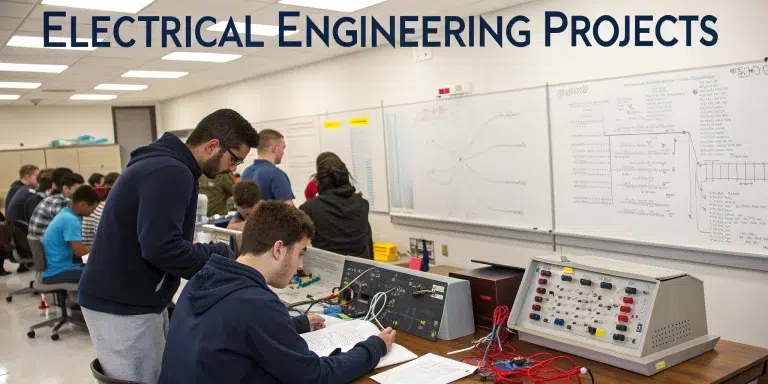
Many electrical engineering programs incorporate hands-on learning experiences through laboratories and workshops. Students may have the opportunity to engage in practical projects, using state-of-the-art equipment to develop prototypes and test theories. Internships are also a vital component of the program, allowing students to apply their classroom knowledge in real-world settings, collaborate with industry professionals, and gain valuable work experience.
Careers After Electrical Engineering
Graduates of electrical engineering programs can pursue a wide array of career opportunities across various industries. Some potential career paths include:
- Electrical Engineer
- Systems Engineer
- Control Systems Engineer
- Field Service Engineer
- Electronics Engineer
- Telecommunications Engineer
- Design Engineer
- Research and Development Engineer
Average Salaries (in USD and EUR)
The salary for electrical engineers can vary based on experience, specialization, and geographic location. The following average salaries provide a general guideline:
- Entry-Level Electrical Engineer: $65,000 to $80,000 / €60,000 to €75,000
- Mid-Career Electrical Engineer: $80,000 to $100,000 / €75,000 to €90,000
- Senior Electrical Engineer: $100,000 to $130,000 / €90,000 to €115,000
- Project Manager: $120,000 to $150,000 / €110,000 to €135,000
Is Electrical Engineering Hard to Study?
Studying electrical engineering presents challenging but rewarding experiences. Students often encounter complex mathematical concepts, advanced theories, and intensive project work. Common challenges may include:
- Balancing coursework and hands-on projects
- Mastering theoretical concepts and their practical applications
- Collaborating in teams for group projects
Required Skills and Preparation Tips
To excel in electrical engineering, aspiring students should cultivate specific skills, such as:
- Strong analytical and problem-solving abilities
- Proficiency in mathematics and physics
- Familiarity with programming and simulation software
- Effective communication skills for teamwork
Preparation tips may include:
- Building a solid foundation in math and science during high school
- Engaging in engineering clubs or competitions
- Participating in internships or summer programs related to engineering
Top Certifications After Electrical Engineering Graduation
Upon completing their degree, many electrical engineering graduates seek additional certifications to enhance their career prospects. Some essential certifications include:
- Professional Engineer (PE) License: Required for licensed practice in many regions.
- Certified Automation Professional (CAP): Beneficial for those focusing on automation and control systems.
- LEED (Leadership in Energy and Environmental Design) Certification: Important for engineers involved in sustainable building practices.
- Cisco Certified Network Associate (CCNA): Valuable for careers in networking and telecommunications.
Where to Study Electrical Engineering
Aspiring electrical engineers can enroll in one of the leading universities offering strong electrical engineering programs. Notable universities to consider include:
Take the Next Step with Study in Turkiye
Embarking on an electrical engineering program equips students with the knowledge and skills to address the electrical challenges of today and tomorrow. If you have any questions or need personalized assistance, reach out to Study in Turkiye for guidance tailored to your academic journey.

