
Early Childhood Education Programs: Your Complete Guide
What Do You Study in Early Childhood Education?
Careers After Early Childhood Education
Is Early Childhood Education Hard to Study?
Top Certifications After Early Childhood Education Graduation
Where to Study Early Childhood Education
What is Early Childhood Education?
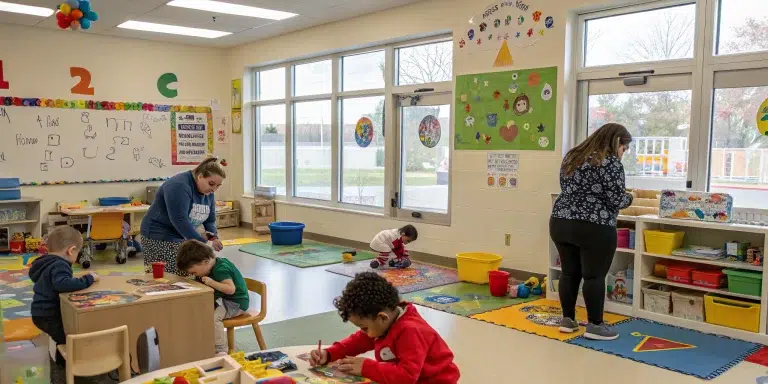
Early childhood education refers to formal and informal educational programs that guide the growth and development of children throughout their preschool years, typically from birth to age five. However, some programs extend to include children up to 8 years of age. ECE encompasses a variety of activities designed to promote children’s cognitive and social development before entering kindergarten.
Despite common misconceptions that early childhood education is “simply playtime,” ECE is grounded in the understanding that young children learn best through play. Starting early education sets them up for success in life and school. This educational approach acknowledges that early childhood is a critical period of development where children acquire foundational skills, attitudes, and learning patterns.
What Do You Study in Early Childhood Education?
Early Childhood Education programs are designed to provide students with a comprehensive understanding of the intellectual, physical, social, and emotional principles essential for providing quality care to children from birth to five years of age. These programs typically include:
Core Subjects
- Child Development: Understanding the stages of development, including physical, emotional, and cognitive growth.
- Learning Theories: Examining how children learn and explore cognitive development theories.
- Health and Safety: Covering the essential health and safety measures needed in early childhood settings.
- Curriculum Development: Learning how to create and implement an engaging curriculum for young children.
Elective Courses
- Creative Arts for Children: Exploring various forms of arts and crafts suited for young audiences.
- Language and Literacy Development: Focusing on the ways to develop language skills in early learners.
- Family and Community Relations: Understanding the importance of family involvement in early childhood education.
- Special Needs Education: Learning about inclusivity and how to support children with special needs in the classroom.
Practical Experience
Students gain hands-on experience working with children in various settings, including:
- Child Care Facilities: Providing care and supervision in structured environments.
- Head Start Programs: Engaging with underprivileged children and families.
- In-home Services: Working directly with families to support their children’s learning needs.
- Pre-school Programs: Collaborating with other educators to enhance children’s readiness for school.
Careers After Early Childhood Education
Graduates of Early Childhood Education programs are equipped with the skills and knowledge needed for various roles in the field. Career paths include:
- Preschool Teacher
- Child Care Center Director
- Early Childhood Education Consultant
- Family Advocate
- Curriculum Coordinator
- Kindergarten Teacher
Salary Expectations
Average Salary in the United States: Approximately $36,000 – $50,000 per year.
Average Salary in Europe: Approximately €30,000 – €45,000 per year.
These salaries can vary significantly based on location, level of education, and years of experience.
Is Early Childhood Education Hard to Study?
Studying Early Childhood Education comes with its challenges, but with the right preparation and mindset, students can thrive in the program. Common challenges include:
- Emotional Demands: Working with young children requires emotional intelligence and resilience.
- Classroom Management: Learning to manage a diverse group of children can be complex and requires strong organizational skills.
- Balancing Theory with Practice: Students must integrate classroom learning with their practical experiences effectively.
Required Skills
- Communication Skills: Essential for interacting with children, parents, and colleagues.
- Creativity: Important for designing engaging learning activities.
- Observation and Assessment: The ability to observe children’s behaviors and assess their development accurately.
Preparation Tips
- Gain Volunteer Experience: Engage with children through volunteer opportunities to understand the dynamics of ECE.
- Utilize Resources: Make use of textbooks, online resources, and workshops.
- Join Study Groups: Collaborate with peers to discuss curriculum topics and share insights.
Top Certifications After Early Childhood Education Graduation
Graduating from an ECE program can further be complemented with certifications that enhance employability and professional development. Some essential certifications include:
- Child Development Associate (CDA): A nationally recognized credential that verifies knowledge and skills in early childhood education.
- Certified Early Childhood Educator (CECE): An accreditation that signifies meeting educational and practical standards for teaching preschool and kindergarten.
- First Aid and CPR Certification: Essential for ensuring the safety of children in educational settings.
- Special Needs Education Certification: Useful for working with children who have disabilities or learning differences.
Where to Study Early Childhood Education
For students interested in pursuing an Early Childhood Education program, several reputable institutions offer quality programs:
Each of these universities provides unique resources, experienced faculty, and comprehensive coursework tailored to meet the needs of aspiring early childhood educators.
Take the Next Step with Study in Turkiye
Early childhood education is a vital foundation for children’s future success, and programs in this field prepare professionals who understand the importance of these formative years and can effectively support children’s development. For personalized help in navigating your academic journey, reach out to Study in Turkiye today. Explore your options and begin your pursuit of a rewarding career in Early Childhood Education.

