
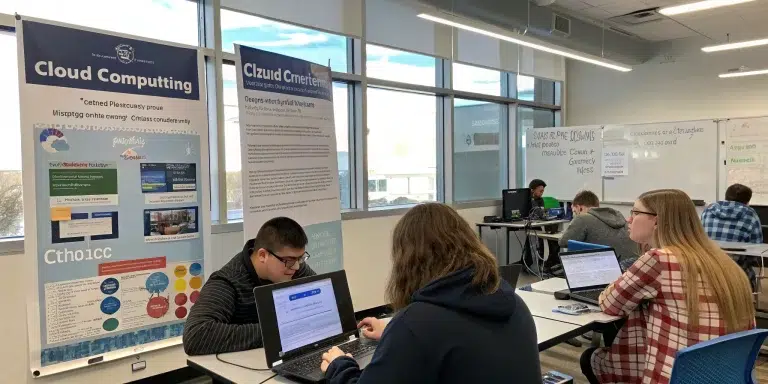
Cloud Computing Programs: Curriculum & Career Opportunities
What is a Cloud Computing Program?
A Cloud Computing program is designed to provide comprehensive education in the principles and practices of cloud technology. It integrates core information technology concepts with specialized instruction in various aspects of cloud computing, including architecture, deployment, security, and emerging technologies. The goal is to prepare students for careers where they can effectively support, develop, and enhance cloud-based services and infrastructure.
What Do You Study in Cloud Computing?
Students enrolled in Cloud Computing programs usually undertake a curriculum that balances theoretical knowledge with practical experience. Here’s a breakdown of the key areas and coursework typically encountered:
Core Subjects
- Foundational IT Skills:
- Information Technology Fundamentals
- Networking Concepts
- Cybersecurity Principles
- Programming/Scripting Languages (e.g., Python, JavaScript)
- Cloud Technologies:
- Cloud Architecture (IaaS, PaaS, SaaS)
- Deployment Models (Public, Private, Hybrid)
- Virtualization and Cloud Storage
- Security:
- Cloud Security Practices
- Identity and Access Management
- Data Encryption Techniques
- Compliance Issues and Risk Management
- Emerging Technologies:
- Serverless Computing
- Containerization (e.g., Docker, Kubernetes)
- Infrastructure as Code (IaC)
Elective Courses
- Advanced Networking Techniques
- Cloud Database Management
- Data Analytics in Cloud Computing
- Cloud Application Development
Labs, Workshops, and Internships
Many Cloud Computing programs incorporate hands-on experiences, including:
- Labs: Practical lab sessions that mimic real-world scenarios, allowing students to deploy and manage cloud services.
- Workshops: Opportunities to collaborate on projects with peers and industry experts.
- Internships: Many programs emphasize internships, partnering with local companies to provide students with real-world exposure.
Careers After Cloud Computing
Graduates of Cloud Computing programs can pursue diverse roles across various sectors, reflecting the growing need for expertise in cloud technologies. Here are some typical job titles along with relevant salary insights:
- Cloud Solutions Architect
- Salary Range: $95,000 – $150,000 (USD); €85,000 – €130,000 (EUR)
- Cloud Engineer
- Salary Range: $90,000 – $140,000 (USD); €80,000 – €120,000 (EUR)
- Cloud Systems Administrator
- Salary Range: $80,000 – $120,000 (USD); €70,000 – €105,000 (EUR)
- DevOps Engineer (Cloud-Focused)
- Salary Range: $95,000 – $135,000 (USD); €85,000 – €125,000 (EUR)
- Cloud Security Specialist
- Salary Range: $90,000 – $140,000 (USD); €80,000 – €120,000 (EUR)
- Infrastructure Engineer
- Salary Range: $85,000 – $125,000 (USD); €75,000 – €110,000 (EUR)
- Network Engineer (Cloud)
- Salary Range: $80,000 – $120,000 (USD); €70,000 – €105,000 (EUR)
- Cloud Application Developer
- Salary Range: $85,000 – $130,000 (USD); €75,000 – €115,000 (EUR)
Is Cloud Computing Hard to Study?
Studying Cloud Computing can be both challenging and rewarding. Here are some common challenges students may face:
- Complexity of Topics: The breadth and depth of cloud concepts can be overwhelming. Students need to grasp complex materials ranging from networking to security.
- Rapid Technological Changes: The cloud industry evolves quickly, requiring students to stay updated with the latest trends and technologies.
- High-Level Competence Required: Proficiency in programming, networking, and problem-solving is essential, demanding students’ dedication and practice.
Preparation Tips
- Prior Knowledge: Take introductory courses in IT and networking if you have little background in the field.
- Hands-On Practice: Engage in practical experiences through labs and internships as much as possible.
- Stay Informed: Follow industry news, join relevant online forums, and participate in workshops.
- Use Educational Resources: Leverage online courses and reading materials provided by your institution to strengthen your private study.
Top Certifications After Cloud Computing Graduation
For graduates of Cloud Computing programs, obtaining professional certifications can significantly enhance job prospects and validate expertise. Key certifications include:
- AWS Certified Solutions Architect
- Microsoft Certified: Azure Solutions Architect Expert
- Google Cloud Professional Cloud Architect
- CompTIA Cloud+
- Certified Cloud Security Professional (CCSP)
Where to Study Cloud Computing
If you are interested in pursuing a degree in Cloud Computing, consider the following universities known for their strong academic programs:
- Istanbul Medipol University, Turkiye
- Aydin University, Turkiye
- Bahcesehir University (BAU), Turkiye
- Uskudar University, Turkiye
These institutions offer robust programs that equip students with essential skills and knowledge to excel in the cloud computing sector.
Conclusion
Cloud Computing programs present an opportunity for students to enter a rapidly expanding and vital field. By understanding what to expect in terms of coursework, potential career paths, and essential certifications, students can make informed decisions that align with their professional goals. If you’re considering pursuing a Cloud Computing program, or want personalized help, reach out to Study in Turkiye today for assistance tailored to your needs.
Take the Next Step with Study in Turkiye
Explore the opportunities that await you in the field of Cloud Computing. Discover programs, learn about the admission process, and find your dream university.

