
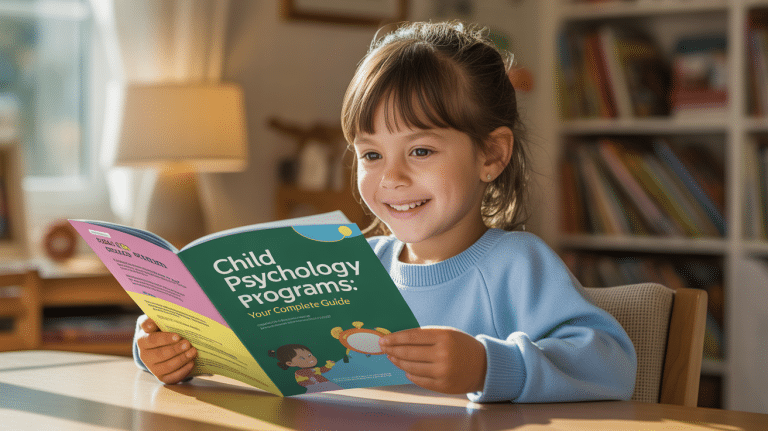
Child Psychology Programs: Your Complete Guide
What is Child Psychology?
Child psychology is a specialized branch of psychology that deals with the mental, emotional, and social development of children. This field examines the complex influences that shape children’s behavior and experiences, including family dynamics, peer interactions, and cultural contexts.
It is essential for professionals who aspire to work in educational settings, mental health care, and child advocacy. Degrees in child psychology can vary from undergraduate programs focusing on general development concepts to master’s programs that emphasize clinical practice and therapy. As awareness continues to grow about the mental health needs of children, the demand for qualified professionals in this field has risen significantly.
What Do You Study in Child Psychology?
The curriculum for child psychology programs is designed to equip students with a solid understanding of developmental theories and practical skills for working with children.
Core Coursework
- Child Development: This foundational course introduces students to historical and contemporary theories of early childhood development, focusing on physical, cognitive, and socio-emotional growth from birth through age eight.
- Adolescent Development: This course examines the cognitive, emotional, and social changes that occur from pre-adolescence through young adulthood.
- Educational Psychology: Students explore how psychological principles apply to educational settings and how various factors influence learning outcomes among children.
- Research Methods: This course covers the various methodologies employed in psychological research, including experimental, observational, and survey methods.
- Capstone or Thesis: A final project that encourages students to apply their knowledge and research skills by conducting original research or completing a significant academic project related to child psychology.
Elective Courses
- Cognitive Behavioral Therapy Techniques: Focuses on methods tailored for children and adolescents.
- Child Psychology Assessment: Covers assessment tools and methods for diagnosing psychological issues in children.
- Crisis Intervention and Trauma: Teaches strategies for supporting children in crisis or those who have experienced trauma.
Skills Development
- Child Development Knowledge: Deep understanding of developmental stages and needs from infancy through adolescence.
- Assessment and Diagnosis: Proficiency in using age-appropriate tools for assessing and diagnosing mental health conditions.
- Therapeutic Techniques: Training in therapeutic methods such as play therapy and cognitive-behavioral therapy.
- Effective Communication: Skills to communicate with children, parents, and educators successfully.
- Problem-Solving: Ability to devise interventions that support children and families facing challenges.
- Cultural Competence: Understanding the impact of culture and family dynamics on child development.
- Crisis Intervention: Skills for providing immediate support in times of emotional or psychological crises.
- Ethical and Legal Knowledge: Familiarity with the ethical considerations and legal requirements when working with minors.
Careers After Child Psychology
A degree in child psychology opens the door to a diverse range of career opportunities. Graduates can pursue positions in various settings, including schools, hospitals, community mental health centers, and private practice.
Sample Job Titles
- Counselor or Therapist: Providing mental health support in schools, outpatient facilities, or private practices.
- Clinical Psychologist: Specializing in diagnosing and treating psychological disorders in children within private practice or clinical settings.
- School Psychologist: Working within educational institutions to assess and address student mental health and learning needs.
- Community Mental Health Worker: Offering psychological services in community centers and helping families access resources.
- Researcher: Conducting studies related to child behavior and mental health to contribute to academic and clinical knowledge.
Salary Ranges
According to labor market trends, salary ranges for graduates in child psychology can vary significantly based on location, experience, and specific job role. Here’s a general overview:
- Counselor/Therapist: Average Salary: $45,000 – $70,000 per year (approximately €38,000 – €60,000)
- Clinical Psychologist: Average Salary: $65,000 – $100,000 per year (approximately €55,000 – €85,000)
- School Psychologist: Average Salary: $60,000 – $80,000 per year (approximately €51,000 – €68,000)
- Community Mental Health Worker: Average Salary: $40,000 – $60,000 per year (approximately €34,000 – €51,000)
Is Child Psychology Hard to Study?
Studying child psychology can present several challenges. Students will face courses that require strong analytical skills, an understanding of complex theories, and the ability to engage with sensitive topics concerning child mental health.
Common Challenges
- Emotional Toll: Working with children’s mental health issues can be emotionally taxing, requiring students to manage their own emotional responses and develop coping strategies.
- Research Requirements: The necessity of engaging with research and statistics can be daunting for those who struggle with quantitative analysis.
- Ethical Considerations: Understanding ethical and legal implications when working with children is critical and may pose challenges for students.
Required Skills
- Empathy and Patience: Key traits that facilitate understanding and supporting children effectively.
- Analytical Thinking: Important for assessing situations and applying psychological theories.
- Communication Skills: Necessary for effectively conveying ideas and emotions, especially in a multidisciplinary environment.
Preparation Tips
- Engage with Children: Volunteer or intern in educational or healthcare settings to gain direct experience working with children.
- Stay Informed: Keep up with current research and trends in child psychology to deepen your understanding of the field.
- Develop Coping Mechanisms: Find outlets for emotional support and stress relief, such as counseling or peer support groups.
Top Certifications After Child Psychology Graduation
While a degree in child psychology provides a robust foundation, certain certifications and licenses may enhance career prospects and are often required for specific positions.
Essential Certifications
- Licensed Professional Counselor (LPC): Required for practicing as a counselor in many regions, this certification typically necessitates a master’s degree and supervised clinical hours.
- National Certification in School Psychology (NCSP): A certification for school psychologists, which may require passing an examination and continuing education.
- Registered Play Therapist (RPT): For those interested in using play therapy as a clinical approach, this certification demonstrates specialized training in this area.
- Board Certified Behavior Analyst (BCBA): This certification is designed for professionals who wish to practice applied behavior analysis, often used with children with autism or behavioral disorders.
Where to Study Child Psychology
If you are considering pursuing a degree in child psychology, several universities offer strong programs. Here are a few top institutions where you can study child psychology:
- Medipol University, Turkiye
- Bahcesehir University, Turkiye
- Istinye University, Turkiye
- Beykent University, Turkiye
Conclusion
Pursuing a degree in child psychology offers a meaningful and rewarding career path dedicated to understanding and supporting children’s development. By engaging with established curriculum structures and gaining hands-on experience, students will be well-equipped for diverse roles within this field. For continued guidance on educational opportunities in child psychology, consider reaching out to Study in Turkiye for personalized help navigating your academic journey.
Take the Next Step with Study in Turkiye
Ready to explore the world of child psychology? Take the next step towards your future by discovering academic opportunities today!

