
Broadcast Media Programs: Courses & Career Paths
What is Broadcast Media?
Broadcast media encompasses the transmission of information and entertainment through various channels including television, radio, and online platforms. These programs typically focus on developing students’ understanding of media production, journalism principles, and communication techniques. Offered primarily as Bachelor of Arts degrees, such as the Mass Communication degree with a Broadcast Media concentration, the curriculum is designed to help students master both the technical and theoretical aspects of broadcast media.
What Do You Study in Broadcast Media?
Core Subjects
Broadcast media programs generally require around 120 semester hours of coursework, which includes general education requirements and specialized media courses. The curriculum is designed to ensure competence in various aspects of media production and communication.
Foundational Courses
- Introduction to Broadcasting: An overview of broadcasting history, theories, and practices.
- Digital Media Writing: Focuses on writing for various digital platforms including blogs, social media, and online news.
- Media Law and Ethics: Covers legal and ethical issues in journalism and broadcasting, preparing students for responsible media practice.
- Global Media in a Digital Age: Explores the impact of global media and the evolution of communication technologies.
Production Skills
- Video Storytelling: Teaches the art of crafting compelling stories through visual mediums.
- Digital Audio Production: Offers technical training in audio recording, editing, and sound design.
- Newsgathering: Focuses on research techniques, interviewing skills, and ethical reporting.
- Copy Editing: Enhances editing skills for clarity, accuracy, and conciseness in broadcast media.
- Social Media: Discusses strategies for engaging audiences through social media platforms.
Advanced Production Courses
- Video Storytelling II: Builds upon the initial storytelling course, incorporating advanced filming and editing techniques.
- Broadcast News: Centers around production for news including reporting, writing, and editing on tight deadlines.
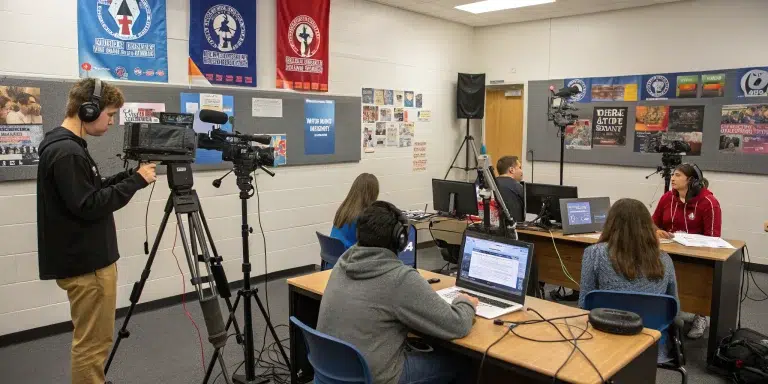
- TV Studio Production: Equips students with skills needed to operate studio equipment and manage production workflows.
- Digital Journalism: Focuses on the blend of journalism and digital strategies, preparing students for the future of news.
- Screenwriting: Teaches the principles of writing for screen, including narrative structure and dialogue development.
Practical Experience
A critical aspect of broadcast media programs is the emphasis on practical application, which includes:
- Media Practicum Requirements: A hands-on component where students work in real-world media settings.
- Video Practicum: Offers opportunities to create and produce video content.
- Radio Practicum: Provides hands-on experience in radio broadcasting.
- College News Practicum: Engages students in producing college news segments.
- Internship Opportunities: Allow students to gain industry experience and enhance their portfolios.
Specialized Tracks
Many broadcast media programs offer paths or concentrations within the field, allowing students to tailor their education. Common specializations include:
- Broadcast Journalism: Focuses on news gathering, reporting, and production skills specific to journalism.
- Sports Media: Specialized training in sports broadcasting including reporting and production for sports.
- Digital Production: Concentration on skills related to creating digital content, including video and audio production.
Careers After Broadcast Media
The skills and knowledge gained in broadcast media programs prepare graduates for a variety of careers in the media landscape. Graduates can expect to pursue roles such as:
- Broadcast Journalist
- Video Producer
- Radio Professional
- Digital Content Creator
- Media Communications Specialist
Sample Job Titles
- Broadcast Journalist
- Video Producer
- Radio Host
- Digital Content Manager
- Media Relations Specialist
Industry and Salary Overview
Broadcast media graduates can work in various sectors including television, radio, online media, public relations, and corporate communications. The average salaries globally can vary significantly based on location, experience, and the specific role. Below is an estimated salary range:
- Broadcast Journalist: $35,000 – $70,000 (USD) / €30,000 – €60,000
- Video Producer: $40,000 – $80,000 (USD) / €35,000 – €65,000
- Radio Host: $30,000 – $60,000 (USD) / €25,000 – €55,000
- Digital Content Creator: $45,000 – $75,000 (USD) / €40,000 – €65,000
- Media Communications Specialist: $50,000 – $90,000 (USD) / €45,000 – €75,000
Is Broadcast Media Hard to Study?
Studying broadcast media can be demanding due to the dynamic and fast-paced nature of the industry. Here are some common challenges and considerations for prospective students:
- Time Management: Balancing practical work, job assignments, and academic responsibilities requires strong time management skills.
- Technical Skills Development: Mastering production tools and technology can be overwhelming for some students.
- Competitive Environment: The field can be highly competitive, requiring students to stay updated on content trends and emerging technologies.
- Public Speaking and Presentation Skills: Regular practice and improvement in public speaking are crucial for success in this field.
Required Skills and Preparation Tips
To succeed in a broadcast media program, students should focus on developing the following skills:
- Strong communication skills
- Critical thinking and analysis
- Proficiency with media production tools
- Effective storytelling abilities
- Networking and collaboration
Preparation tips include engaging with media content, participating in extracurricular activities related to media, seeking internships early, and connecting with industry professionals.
Top Certifications After Broadcast Media Graduation
While not always mandatory, certain certifications can enhance career prospects and demonstrate specialized skills. Notable certifications in broadcast media include:
- Certified Broadcast Meteorologist (CBM): For those pursuing a career in broadcast meteorology.
- Society of Professional Journalists (SPJ) Certifications: Recognizing excellence in journalism practices.
- Adobe Certified Expert (ACE): Certification for proficiency in software like Premiere Pro or After Effects.
- Digital Marketing Certifications: Useful for roles focused on content creation for digital platforms.
Where to Study Broadcast Media
Several universities offer reputable broadcast media programs, providing students with quality education and practical experience. Top private universities to consider include:
These institutions provide cutting-edge tools and experienced faculty to equip students for success in the broadcast media field.
Take the Next Step with Study in Turkiye
Explore further and find the right broadcast media program for you. Connect with trusted resources to guide you on your educational journey!

