
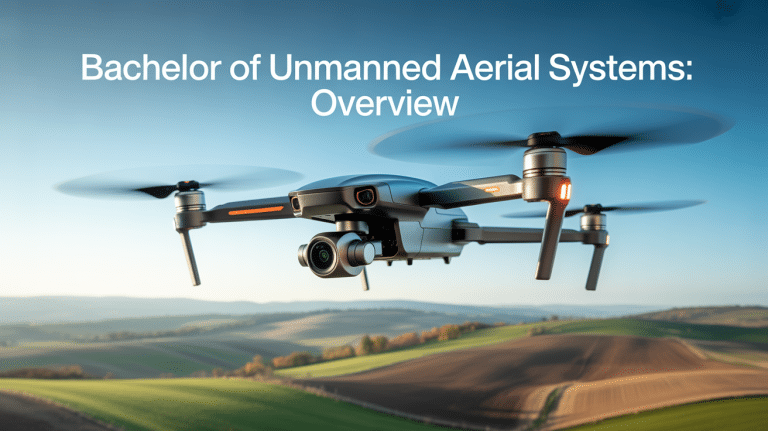
Bachelor of Unmanned Aerial Systems: Program Overview
What Do You Study in Bachelor of Unmanned Aerial Systems?
Careers After Bachelor of Unmanned Aerial Systems
Is Bachelor of Unmanned Aerial Systems Hard to Study?
Top Certifications After Bachelor of Unmanned Aerial Systems Graduation
Where to Study Bachelor of Unmanned Aerial Systems
Conclusion
What is Bachelor of Unmanned Aerial Systems?
The Bachelor of Unmanned Aerial Systems program is an interdisciplinary course focusing on the operational, technical, regulatory, and business aspects of unmanned aerial vehicles (UAVs). As technological advances continue to revolutionize industries such as agriculture, defense, and logistics, this program prepares students to thrive in various professional capacities surrounding the design, implementation, and management of drones.
Students embarking on this program will engage in a rigorous educational experience combining theoretical understanding with practical training. The curriculum is designed to ensure that graduates are adept in technical skills, safety protocol, and regulatory compliance—skills essential in shaping future leaders in UAS operations.
What Do You Study in Bachelor of Unmanned Aerial Systems?
Core Areas of Study
- UAS Operations: Students learn about various types of unmanned aerial vehicles, their structural components, and operational techniques.
- Aviation Science & Safety: This area covers aviation safety principles, meteorology basics, and aeronautical regulations vital for successful remote operations.
- Mission Planning & Execution: Students engage in training focused on detailed mission planning and data acquisition methods.
- Regulation & Security: This component highlights the importance of compliance with FAA regulations and legal implications of drone use.
- Technical Certificates: Many UAS programs incorporate opportunities for students to earn FAA Remote Pilot certification.
- Specialized Skills: Learners delve into geographic information systems (GIS), remote sensing technologies, and UAS maintenance techniques.
- Ethical & Professional Development: Students are trained on ethical use of technology and professionalism in the field.
Learning Experience
The learning experience effectively combines traditional classroom lectures with extensive hands-on training. Students often participate in simulated environments or real-world exercises, enabling them to operate UAS, collect data, and interact with stakeholders.
Careers After Bachelor of Unmanned Aerial Systems
A degree in UAS opens doors to various career opportunities across multiple sectors. Graduates are well-prepared to take on critical roles in industries that increasingly rely on drone technology and data analysis.
Example Job Titles
- Remote Pilot in Command (RPIC)
- UAS Flight Instructor
- Sensor Operator
- Operations Manager
- UAS Systems Specialist/Analyst
Industry Sectors Employing UAS Graduates
- Defense and Military
- Commercial Aviation and Logistics
- Environmental Monitoring and Agriculture
- Emergency Response and Public Safety
- Geographic Information Systems (GIS)
Salary Overview
The salary range for UAS professionals can vary significantly based on experience, job function, and industry. The average starting salaries are:
- Average Salary (USA): $80,000 – $100,000 annually (~€75,000 – €90,000)
- Average Salary (Europe): €50,000 – €70,000 annually (~$53,000 – $75,000)
Is Bachelor of Unmanned Aerial Systems Hard to Study?
Pursuing a Bachelor in Unmanned Aerial Systems comes with its challenges. The program requires a good balance of technical proficiency and a solid understanding of regulatory frameworks.
Common Challenges
- Technical Skills: Proficiency in navigating various software tools and platforms.
- Complex Regulations: Understanding aviation regulations and compliance.
- Hands-On Experience: Practical training using UAS can be demanding.
Required Skills
- Analytical Skills: Ability to analyze data and derive actionable insights.
- Problem-Solving: Tackling challenges that arise during missions.
- Technical Acumen: Comfort with operating complex systems in UAS technology.
Preparation Tips
- Engage in introductory courses related to aviation, technology, or drone operation.
- Develop technical skills through independent projects or workshops.
- Stay informed about UAS industry trends, regulations, and innovations.
Top Certifications After Bachelor of Unmanned Aerial Systems Graduation
Upon completion of the degree, students may consider pursuing the following certifications to enhance their professional standing:
- FAA Remote Pilot Certification: Required for operating UAS commercially in the United States.
- Part 107 Certification: Legal operations of small UAS in the national airspace.
- GIS Specialist Certifications: Demonstrates proficiency in geographic information systems.
- Advanced UAS Ratings: Opportunities for specialized ratings highlighting technological expertise.
Where to Study Bachelor of Unmanned Aerial Systems
Students interested in pursuing a Bachelor of Unmanned Aerial Systems can consider the following notable universities that offer this program:
Conclusion
A Bachelor’s in Unmanned Aerial Systems is a multidisciplinary, hands-on degree designed to meet the demands of a rapidly evolving field. It offers the perfect blend of technical training, safety education, and real-life applications to prepare graduates for innovative and impactful careers in the expanding UAS domain.
Take the Next Step with Study in Turkiye
Explore further with personalized guidance from Study in Turkiye as you navigate your academic journey. Discover the perfect program and university for your future career!

