
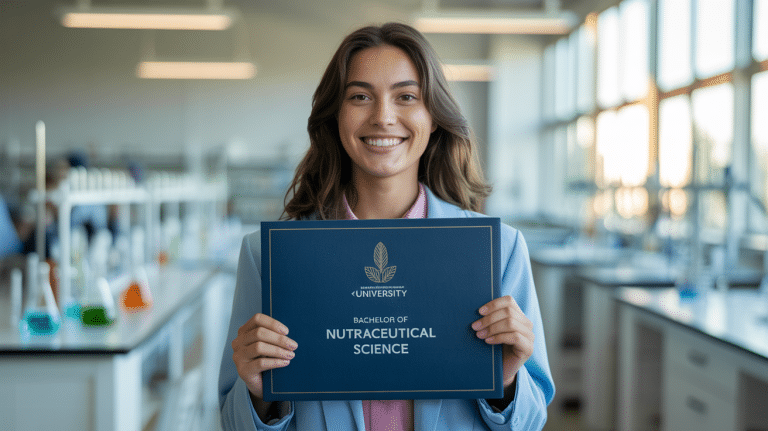
Bachelor of Nutraceutical Science: Program Overview
What is Bachelor of Nutraceutical Science?
The Bachelor of Nutraceutical Science is an interdisciplinary undergraduate degree that focuses on the intersections of nutrition, food science, and the study of bioactive compounds that impact health and disease. This program enables students to understand how certain elements in food can aid in disease prevention, promote wellness, and enhance overall health. The curriculum is designed to emphasize the scientific basis behind nutrition while providing practical experiences that prepare students for a dynamic and growing sector.
What Do You Study in Bachelor of Nutraceutical Science?
Core Subjects
- Human Nutrition and Metabolism
- Food Chemistry and Food Science
- Bioactive Compounds and Human Health
- Prevention and Management of Chronic Diseases
- Obesity, Weight Management, and Dietary Patterns
- Food Production and Sustainability
Sample Courses
- Organic Chemistry for Life Sciences
- Anatomy and Physiology
- Food Science and Technology
- Biochemistry
- Nutritional Influences on Clinical Health
- Sustainable Food Systems and Environmental Health
- Research and Writing in Health Promotion
- Whole Foods Production
Labs, Workshops, and Internships
To enhance practical skills, many Bachelor of Nutraceutical Science programs incorporate hands-on labs and workshops focused on food analysis, dietary assessments, and research methodologies. Additionally, work-integrated learning opportunities, such as internships or co-op placements, allow students to apply classroom knowledge in real-world settings—generating valuable experience to bolster employability.
Careers After Bachelor of Nutraceutical Science
Graduates of a Bachelor of Nutraceutical Science program find diverse career opportunities across various sectors due to the program’s multifaceted approach to health and nutrition.
Potential Job Titles
- Nutraceutical Product Developer
- Research and Development Scientist
- Quality Assurance Specialist
- Health Promotion and Education Coordinator
- Nutritional Consultant
- Regulatory Affairs Specialist
- Clinical Nutritionist
- Wellness Program Manager
Salary Ranges
Salaries can vary depending on geographic location and specific roles, but here are some average salary ranges for select positions globally (in USD and EUR):
- Nutraceutical Product Developer: $60,000 – $85,000 (approx. €55,000 – €78,000)
- Research and Development Scientist: $70,000 – $95,000 (approx. €63,000 – €88,000)
- Quality Assurance Specialist: $50,000 – $70,000 (approx. €45,000 – €63,000)
- Health Promotion Coordinator: $55,000 – $75,000 (approx. €50,000 – €68,000)
- Clinical Nutritionist: $60,000 – $80,000 (approx. €55,000 – €73,000)
Is Bachelor of Nutraceutical Science Hard to Study?
Like many science-focused programs, a Bachelor of Nutraceutical Science poses its own set of challenges. The rigorous curriculum requires a solid understanding of basic sciences, including biology, chemistry, and mathematics.
Common Challenges
- Complex Scientific Concepts: Students must grasp intricate biochemical processes and nutritional science principles.
- Research Methodologies: Mastering research design and statistical analysis is crucial for developing evidence-based nutrition strategies.
- Time Management: Balancing coursework, labs, group projects, and internships demands effective time management skills.
Required Skills
- Strong analytical and critical thinking abilities
- Proficient writing and communication skills for research and health education
- Effective teamwork and collaboration skills
- A keen interest in health sciences and sustainable practices
Preparation Tips
- Take preparatory courses in biology, chemistry, and mathematics to build a strong foundational knowledge base.
- Engage in extracurricular activities related to health, wellness, or fitness, which may provide insights into the practical applications of nutraceuticals.
- Familiarize yourself with scientific literature and stay updated on recent developments in nutrition and health science.
Top Certifications After Bachelor of Nutraceutical Science Graduation
After completing the Bachelor of Nutraceutical Science, graduates may consider pursuing additional certifications or licenses to enhance their qualifications and career prospects. Some essential certifications include:
- Registered Dietitian Nutritionist (RDN): Required for those who want to practice clinical nutrition or dietary counseling.
- Certified Nutrition Specialist (CNS): A recognized certification for advanced practice in nutrition.
- Certified Health Education Specialist (CHES): Beneficial for those pursuing roles in health promotion and education.
- Board Certified in Advanced Nutrition (BCAN): A specialty certification that may enhance employability in advanced nutrition roles.
Where to Study Bachelor of Nutraceutical Science?
Here are some universities you may consider if you’re interested in pursuing a Bachelor of Nutraceutical Science:
These institutions provide robust academic programs, modern laboratories, and opportunities for practical experience.
Take the Next Step with Study in Turkiye
Explore your opportunities in the fascinating field of nutraceutical science today. Whether you’re looking to deepen your understanding or jumpstart your career, Study in Turkiye is here to guide you in finding the right program.

