
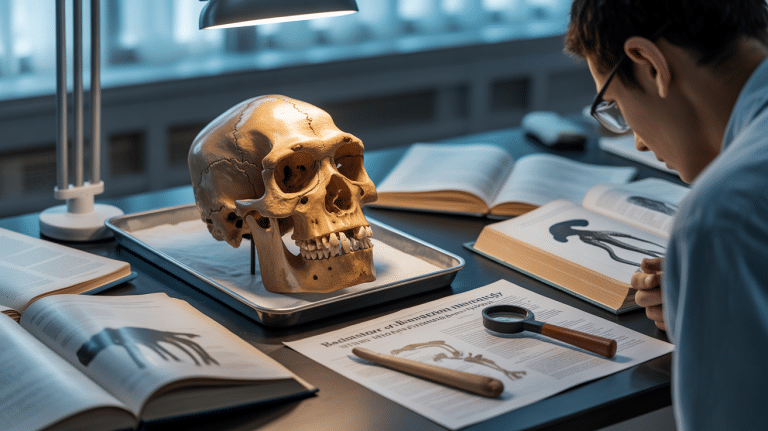
Bachelor of Biological Anthropology: An In-Depth Overview
- What is Bachelor of Biological Anthropology?
- What Do You Study in Bachelor of Biological Anthropology?
- Careers After Bachelor of Biological Anthropology
- Is Bachelor of Biological Anthropology Hard to Study?
- Top Certifications After Bachelor of Biological Anthropology Graduation
- Where to Study Bachelor of Biological Anthropology
- Conclusion
What is Bachelor of Biological Anthropology?
Biological Anthropology is a distinctive field within the broader discipline of anthropology, emphasizing the biological aspects of humans and our evolutionary past. It examines how humans adapt to their environments, the biological diversity among populations, and the evolutionary patterns that shape human history.
The program encompasses various facets of life sciences and social sciences, providing a robust framework that includes genetics, physiology, anatomy, archaeology, and behavioral science. Students learn to critically analyze biological data and cultural artifacts, developing a nuanced perspective of what it means to be human.
What Do You Study in Bachelor of Biological Anthropology?
Core Curriculum and Course Structure
The curriculum for a Bachelor of Biological Anthropology is designed to provide both foundational knowledge and advanced training in biological and anthropological theory and methodologies. Here are the primary components of the program:
Prerequisite Courses
- Introduction to Sociocultural Anthropology: This course provides insights into cultural practices and social structures across different societies.
- Human Biology and Evolution: A crucial course covering the biological processes that have shaped human development.
Principal Courses
- Human Evolution and Genetics: Understanding the genetic mechanisms that drive evolution and how they relate to human diversity.
- Primate Behavior and Ecology: Exploring primates as our closest relatives to gain insights into human behavior and evolutionary adaptations.
- Human Adaptation and Diversity: Investigating how different populations have adapted biologically and culturally to diverse environments.
- Comparative Studies Between Humans and Other Primates: Examining similarities and differences that can provide context for human behavior.
Interdisciplinary Training
The program integrates knowledge from various scientific fields, such as:
- Biology: In-depth study of biological processes relevant to humans.
- Neuroscience: How brain function impacts behavior and society.
- Genetics: Examining hereditary traits that influence human populations.
- Ecology: Understanding environmental interactions and their effects on human health and adaptation.
- Behavioral Studies: Analyzing the psychological and social behaviors that define human interactions.
Research Skills
Critical thinking and scientific literacy are emphasized, including:
- Data Analysis: Learning to interpret and analyze biological data effectively.
- Research Methodologies: Gaining hands-on experience in laboratory and field research settings, making students proficient in conducting studies.
Example Course Requirements
Students can expect to complete a mix of mandatory and elective courses, typically structured as follows:
- Introduction to Sociocultural Anthropology or Anthropology Through Ethnography
- Human Biology, Behavior, and Evolution
- Four principal courses in biological anthropology and related topics
- Electives from disciplines such as genetics, public health, biological sciences, or archaeology
Careers After Bachelor of Biological Anthropology
Graduates of a Bachelor of Biological Anthropology are well-equipped to pursue a variety of career paths that leverage their knowledge of human biology and behavior. Below is a breakdown of potential career options:
- Health and Medicine: Many graduates pursue further education in medical, dental, or allied health programs, leading to careers in:
- Public Health Specialist
- Epidemiologist
- Health Policy Analyst
- Scientific Research: Opportunities in research settings, such as:
- Laboratory Technician
- Field Researcher
- Geneticist
- Education and Outreach: Roles in teaching and community engagement that promote understanding of human diversity, including:
- Museum Curator
- Science Educator
- Outreach Coordinator
- Applied Anthropology: Professionals in this area often take positions in:
- Forensic Anthropology
- Conservation Biology
- International Development Agencies
- Further Academic Study: Many graduates continue their education by enrolling in graduate programs in biological anthropology or related biomedical fields.
Average Salaries
Salary ranges for biological anthropology graduates can vary significantly depending on the specific career and location. Here are average global salaries:
- Health and Medicine:
- Public Health Specialist: $60,000 – $90,000 (USD) / €55,000 – €80,000 (EUR)
- Epidemiologist: $70,000 – $100,000 (USD) / €65,000 – €90,000 (EUR)
- Scientific Research:
- Laboratory Technician: $45,000 – $70,000 (USD) / €40,000 – €60,000 (EUR)
- Field Researcher: $50,000 – $80,000 (USD) / €45,000 – €75,000 (EUR)
- Education and Outreach:
- Museum Curator: $50,000 – $75,000 (USD) / €45,000 – €70,000 (EUR)
- Science Educator: $40,000 – $60,000 (USD) / €35,000 – €55,000 (EUR)
- Applied Anthropology:
- Forensic Anthropologist: $60,000 – $90,000 (USD) / €55,000 – €80,000 (EUR)
- Conservation Biologist: $50,000 – $80,000 (USD) / €45,000 – €75,000 (EUR)
Salaries can fluctuate based on factors such as geographic location, years of experience, and level of education.
Is Bachelor of Biological Anthropology Hard to Study?
The difficulty of studying biological anthropology can vary from student to student, but there are key challenges that most face:
- Interdisciplinary Nature: The integration of various scientific disciplines can be overwhelming. Students should be prepared to study scientific methods from biology, genetics, and social sciences.
- Research Component: Many courses require significant research involvement, both in labs and fieldwork. This necessitates strong analytical skills and the ability to engage in hands-on scientific inquiry.
- Critical Thinking Requirement: Students must develop the ability to think critically about complex biological and cultural issues. This often involves discussing ethical implications of research and societal impacts.
Skills Required
To excel in this program, students should cultivate:
- Analytical Skills: Ability to interpret complex data.
- Communication Skills: Proficiency in writing reports and presenting findings.
- Curiosity and Passion for Science: A strong interest in biological and cultural aspects of humanity.
Preparation Tips
- Strengthen Foundation: Brush up on biology and sociology concepts before starting the program.
- Engage in Laboratory Experience: Gain practical experience through internships or volunteering in research.
Top Certifications After Bachelor of Biological Anthropology Graduation
While a Bachelor of Biological Anthropology provides a significant foundation for various careers, some graduates may opt for additional certifications or formal education to enhance their employability. Here are some valuable certifications:
- Certified Public Health (CPH): This is especially beneficial for those entering health-related fields.
- Forensic Anthropology Certification: Useful for graduates entering forensic science roles.
- Clinical Research Coordinator (CRC) Certification: For those looking to work in clinical research settings.
Where to Study Bachelor of Biological Anthropology
Several esteemed universities offer robust programs in Biological Anthropology. Below is a list of some top private universities where you can pursue this degree:
Conclusion
Choosing to study a Bachelor of Biological Anthropology opens doors to a plethora of exciting career opportunities that explore the depths of human evolution and diversity. Students emerge with critical skills applicable across numerous fields. If you’re ready to explore this enriching academic journey, reach out to Study in Turkiye for personalized assistance in finding the right program that suits your aspirations!
Take the Next Step with Study in Turkiye
Explore programs, admission processes, and more to begin your journey in Biological Anthropology in Turkiye!

