
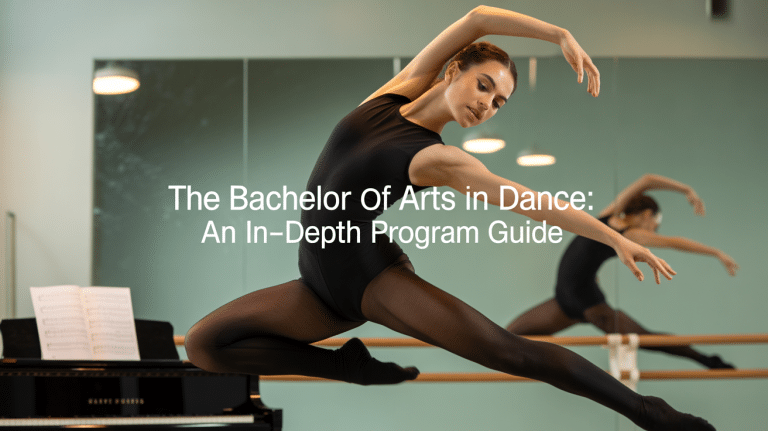
The Bachelor of Arts (B.A.) in Dance: An In-Depth Program Guide
Quick Navigation
What is the Bachelor of Arts in Dance?
The B.A. in Dance is a comprehensive academic program that focuses on providing students with a robust understanding of dance as a form of art, expression, and communication. The curriculum is structured to develop both the technical competencies in dance performance and choreography, alongside critical insight into dance theory and its application across different contexts. This program encourages students to explore interdisciplinary studies, effectively bridging dance with other fields such as education, healthcare, psychology, and more.
Typically, the B.A. in Dance encompasses various aspects of dance studies, including:
- Dance technique: Mastery of different styles and techniques.
- Choreography: Understanding the principles of creating dance compositions.
- Dance theory: Theoretical examination of dance throughout history and its cultural context.
By fostering a generalist approach, students are equipped to navigate various career pathways within and beyond traditional dance roles.
What Do You Study in Bachelor of Arts in Dance?
Core Subjects
The core curriculum of the B.A. in Dance allows students to build a strong foundation while also maintaining flexibility to explore elective options based on their interests. Core subjects typically include:
- Dance Technique: Concentration on foundational techniques in various dance styles (ballet, modern, jazz, hip-hop, etc.). Body conditioning and movement analysis to enhance performance quality.
- Choreography: Development of skills in creating dance works. Study of choreography frameworks and styles.
- Dance History and Theory: Exploration of dance movements across cultures and eras. Critical analysis of dance practices and their social implications.
Elective Courses
Students can personalize their education through electives, allowing them to delve into specific interests and integrate dance with other academic domains such as:
- Dance Pedagogy: Techniques for teaching dance.
- Dance and Technology: Exploration of digital media in dance.
- Movement for Actors: Training for performers in integrating dance into theatrical presentations.
Labs, Workshops, and Internships
Practical experiences are integral to the B.A. in Dance. Most programs include opportunities for students to engage in:
- Dance Workshops: Intensive training sessions with guest artists and professionals in the field.
- Performances: Regular showcases allow students to demonstrate their abilities and learn from real-world experiences.
- Internships: Collaboration with dance companies or organizations to provide hands-on experience in various settings.
Careers After Bachelor of Arts in Dance
Graduates of the B.A. in Dance are prepared for a wide array of career options that capitalize on their artistic training and interdisciplinary knowledge. Common pathways include:
- Dance Educator: Teaching dance at schools or studios.
- Professional Performer: Dancers in theaters, dance companies, and tours.
- Choreographer: Creating dance routines for performances, events, or businesses.
- Arts Administrator: Managing organizations or departments involved in the arts.
- Dance Therapist: Applying dance in therapeutic contexts to support mental health.
Sample Job Titles
- Dance Teacher
- Choreographer
- Artistic Director
- Dance Therapist
- Arts Administrator
- Movement Specialist
Salary Ranges
Salary expectations can vary significantly based on roles, geographical locations, and levels of experience. Below are average salary ranges for dance-related positions globally, denoted in both USD and EUR:
- Dance Educator: USD: $45,000 – $70,000, EUR: €38,000 – €60,000
- Professional Performer: USD: $30,000 – $100,000+ (depending on experience and contracts), EUR: €25,000 – €85,000+
- Choreographer: USD: $40,000 – $80,000, EUR: €34,000 – €68,000
- Arts Administrator: USD: $50,000 – $85,000, EUR: €42,000 – €72,000
Is Bachelor of Arts in Dance Hard to Study?
Studying for a B.A. in Dance can be both fulfilling and challenging. Students will need to commit to rigorous training and coursework that demands a high level of creativity, discipline, and physical stamina.
Common Challenges
- Physical Demands: Maintaining an intensive practice schedule can lead to physical fatigue and injuries.
- Creative Pressure: Developing original choreography and performances requires innovative thinking and can induce stress.
- Academic Workload: Balancing theory-based coursework with practical training can be demanding.
Required Skills
- Technical Proficiency: Mastery of multiple dance styles.
- Creativity: The ability to think outside the box and innovate.
- Collaboration: Working effectively with peers during performances and projects.
- Time Management: Balancing rehearsals, classes, and assignments.
Preparation Tips
- Regular practice and warm-up routines to minimize the risk of injury.
- Engage in workshops to gain exposure to different styles and approaches.
- Seek mentorship from experienced professionals in the industry.
Top Certifications After Bachelor of Arts in Dance Graduation
While a B.A. in Dance provides a solid foundation for various careers in the field, students may consider pursuing additional certifications to further enhance their credentials. Common certifications include:
- Dance Teacher Certification: For those wishing to teach in schools or privately.
- Certified Movement Analyst (CMA): Focus on movement analysis for professionals in education or therapy disciplines.
- Dance Therapy Certification: Ideal for graduates looking to integrate dance with therapeutic practices.
Where to Study Bachelor of Arts in Dance
Students interested in pursuing a Bachelor of Arts in Dance can consider the following universities known for their strong programs:
- Medipol University, Ankara
- Istinye University
- Bahcesehir University (BAU), Istanbul
- Beykent University
Conclusion
The Bachelor of Arts in Dance is an exciting program that prepares students for various career paths within the world of dance and beyond. With a focus on both practical training and theoretical study, graduates are equipped with the skills and knowledge needed to thrive in the arts sector. If you are interested in exploring this path, reach out to Study in Turkiye for personalized assistance in your academic journey and find the right program that fits your aspirations.
Take the Next Step with Study in Turkiye
Explore further into your educational journey and unlock the potential studying in Turkiye has to offer.

