
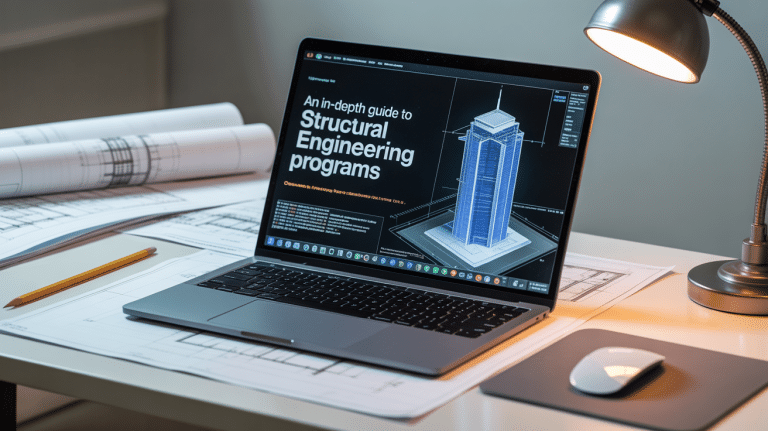
An In-Depth Guide to Structural Engineering Programs
What is Structural Engineering?
Structural Engineering is a sub-discipline of civil engineering that emphasizes the design and construction of structures, ensuring they can resist loads and environmental stresses. Structural engineers play a critical role in creating infrastructure that includes bridges, buildings, dams, towers, and other vital constructions.
The field has evolved significantly with advancements in materials science and computational technology, allowing structural engineers to design more complex and efficient structures. A degree in Structural Engineering is not just about calculations; it requires creativity, problem-solving skills, and a strong foundation in physics and mathematics.
What Do You Study in Structural Engineering?
The curriculum for a Structural Engineering program is designed to equip students with both theoretical knowledge and practical skills. A typical Bachelor’s degree in this field may take around four years to complete and involves a combination of core subjects, elective courses, lab work, and internships.
Core Subjects
- Mathematics:
- Calculus (I, II, III)
- Differential Equations
- Linear Algebra
- Physics:
- Mechanics
- Statics and Dynamics
- Material Science
- Engineering Principles:
- Engineering Mechanics
- Structural Analysis
- Structural Dynamics
- Design and Construction:
- Concrete and Steel Design
- Earthquake Engineering
- Wind Engineering
- Computer-Aided Design:
- CAD and Modeling Software
- Finite Element Analysis
Elective Courses
Electives may include advanced topics such as:
- Advanced Computational Methods
- Sustainable Design
- Bridge Engineering
- Offshore Structures
- Retrofitting and Rehabilitation
Labs, Workshops, and Internships
Hands-on experience is a crucial part of the learning process in Structural Engineering. Students typically participate in:
- Laboratory Work: Engaging in experiments to understand the behavior of materials under various load conditions.
- Workshops: Focused on using design software and tools that mimic professional environments.
- Internships: Opportunities with construction companies or engineering firms, allowing students to apply their knowledge in real-world settings.
Careers After Structural Engineering
Graduates of Structural Engineering Programs find employment in various sectors, including construction, aerospace, transportation, and environmental engineering. Here are some potential career paths:
- Structural Engineer
- Civil Engineer
- Design Engineer
- Geotechnical Engineer
- Construction Manager
- Project Manager
- Materials Engineer
- Research Engineer
Sample Job Titles and Salary Ranges
Graduates can expect varying salaries depending on their job title, experience, and location. Here are some estimated average salaries:
- Structural Engineer:
- USD: $75,000 – $95,000
- EUR: €65,000 – €85,000
- Civil Engineer:
- USD: $70,000 – $90,000
- EUR: €60,000 – €80,000
- Project Manager:
- USD: $85,000 – $110,000
- EUR: €75,000 – €95,000
- Design Engineer:
- USD: $70,000 – $85,000
- EUR: €60,000 – €75,000
Industry Trends
The demand for structural engineers is projected to grow due to the need for updated and environmentally sustainable infrastructure. According to the Bureau of Labor Statistics, employment for civil engineers is expected to grow by 6% from 2020 to 2030, which aligns closely with structural engineering needs.
Top Certifications After Structural Engineering Graduation
Upon graduation, several certifications can enhance your employability and demonstrate professional expertise:
- Professional Engineer (PE): Required in many regions for engineers to offer their services to the public.
- Structural Engineering License: Specific to practicing structural engineers, often requires work experience and passing an exam.
- LEED Accreditation: For engineers focused on sustainable building practices.
Additionally, pursuing a Master’s Degree or Ph.D. can further specialize your knowledge in Structural Engineering.
Where to Study Structural Engineering
If you’re considering a degree in Structural Engineering, here are some top private universities in Turkiye where you can pursue this program:
Conclusion
Structural Engineering Programs not only equip students with essential technical skills but also prepare them for a successful career in a crucial field of engineering. Students learn to design and maintain structures that form the backbone of our infrastructure.
Take the Next Step with Study in Turkiye
If you’re ready to take the next step in your educational journey, reach out to Study in Turkiye for personalized guidance in finding the right Structural Engineering program for you.

