
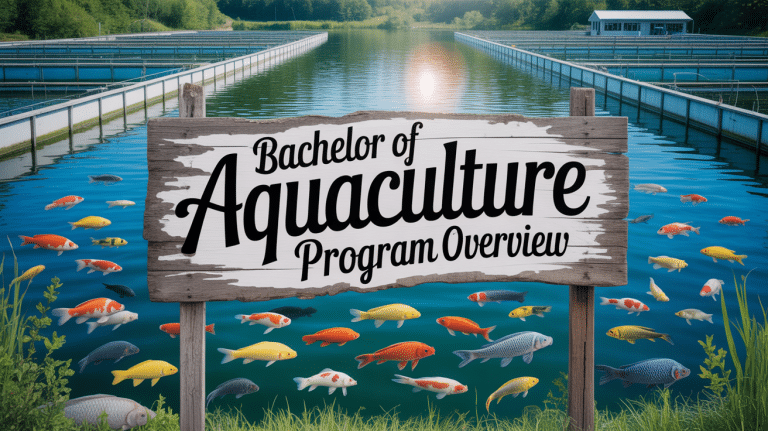
Overview of the Bachelor of Aquaculture Program
What is Bachelor of Aquaculture?
The Bachelor of Aquaculture program focuses on equipping students with comprehensive knowledge related to the breeding, rearing, and harvesting of fish, shellfish, and aquatic plants. It combines theoretical coursework with practical experiences, preparing graduates to tackle the challenges faced by the aquaculture industry today.
Aquaculture, sometimes referred to as “fish farming,” is crucial for meeting global food demands as wild fish populations decline. This program prepares students to engage in various aspects of aquaculture, including system design, species selection, nutrition, health management, and sustainability practices.
What Do You Study in Bachelor of Aquaculture?
Core Knowledge Areas
- History, Ecology, and Sustainability of Aquaculture: This subject covers the development of aquaculture practices, ecological impacts, and principles of sustainability.
- System Design, Monitoring, and Maintenance: Students learn technical skills necessary for creating and managing aquaculture systems to optimize production and sustainability.
- Biology, Microbiology, and Genetics: Emphasis is placed on the biological processes of aquatic organisms, including health management, breeding practices, and genetic diversity.
- Husbandry and Life Support: This includes the care and management of aquatic species, focusing on maintaining healthy life support systems such as water quality and environmental conditions.
- Feeds and Nutrition: Students study the dietary requirements for different species, feeding strategies, and the nutritional value of aquaculture feeds.
- Disease Diagnosis and Management: Understanding and managing diseases that affect aquaculture species are critical, particularly for maintaining productivity.
Skill Development
- Data Science and Quantitative Methods: Application of data analysis techniques for monitoring and optimizing aquaculture systems.
- Professional Placement or Internship: Opportunities to gain professional experience in aquaculture settings enhance learning and networking.
Elective and Advanced Topics
- Aquaculture Propagation and Stock Improvement: Techniques for breeding and improving the genetic stock of aquatic species.
- Environmental Processes and Global Change: How ecological changes and climate impact aquaculture practices.
- Programming and Database Modelling: Using technology to manage aquaculture data and operations effectively.
Program Structure Example
A typical curriculum in a Bachelor of Aquaculture may include the following courses:
- Introduction to Aquaculture
- System Design and Monitoring
- Microbiology and Genetics for Aquaculture
- Sustainable Aquaculture Practices
- Aquaculture Feeds and Nutrition
- Diagnosis of Aquaculture Diseases
- Electives in environmental science, data science, and applied mathematics.
Many institutions also incorporate laboratory work, research opportunities, and professional placements to ensure graduates exit equipped for real-world challenges.
Careers After Bachelor of Aquaculture
Graduates of this program can pursue various career paths across several sectors. Job roles include:
- Aquaculture Farm Manager or Technician
- Hatchery or Nursery Manager
- Aquatic Animal Health Specialist
- Feed and Nutrition Specialist
- Water Quality Analyst
- Fisheries Officer
- Research and Development Scientist
The sectors in which these roles exist are diverse, including private aquaculture companies, government agencies, non-governmental organizations (NGOs), and academic institutions focusing on food security and marine conservation.
Salary Expectations
Salaries in the aquaculture field can vary depending on the position and geographical location. On average, these positions offer:
- Aquaculture Farm Manager: $50,000 – $80,000 USD / €47,000 – €75,000 EUR.
- Aquatic Animal Health Specialist: $45,000 – $70,000 USD / €42,000 – €66,000 EUR.
- Feed and Nutrition Specialist: $40,000 – $65,000 USD / €38,000 – €62,000 EUR.
The global demand for sustainable food production continues to grow, promising a favorable job market for graduates.
Is Bachelor of Aquaculture Hard to Study?
While the Bachelor of Aquaculture program offers valuable insights and skills, it does come with its set of challenges. Common difficulties include:
- Complex Scientific Concepts: The program involves substantial biological and technical content that requires a solid understanding of scientific principles.
- Hands-On Learning Requirements: Students must be prepared for fieldwork and practical laboratory sessions, which can be demanding and time-consuming.
- Data Analysis Skills: Proficiency in data analysis is increasingly important for success in aquaculture, necessitating familiarity with statistical methods and software.
Required Skills and Preparation Tips
To excel in this program, students should possess the following skills:
- Strong analytical and problem-solving abilities.
- A foundational knowledge of biology and chemistry.
- Effective communication skills, as collaboration is crucial in aquaculture settings.
Prospective students can prepare by gaining relevant experience through volunteer work, internships, or courses in biological sciences before enrolling.
Top Certifications After Bachelor of Aquaculture Graduation
In addition to their degree, graduates may seek various professional certifications or licenses to enhance their employment prospects. Notable certifications include:
- Aquaculture Certification Council (ACC): An internationally recognized certification that validates professional competency.
- Fish Welfare Certification: Certifies knowledge of ethical and humane treatment of aquatic species.
- Certified Aquaculture Practitioner: Focuses on best practices in aquaculture management.
These credentials can significantly bolster job opportunities and indicate a commitment to professional standards in the industry.
Where to Study Bachelor of Aquaculture
Students interested in pursuing a Bachelor of Aquaculture can find reputable programs at various institutions. For quality education in Turkiye, consider the following universities:
By enrolling in these programs, students can develop the skills and knowledge required for a successful career in aquaculture.
Take the Next Step with Study in Turkiye
If you’re looking for personalized guidance on this academic journey, reach out to Study in Turkiye for assistance tailored to your needs.

