
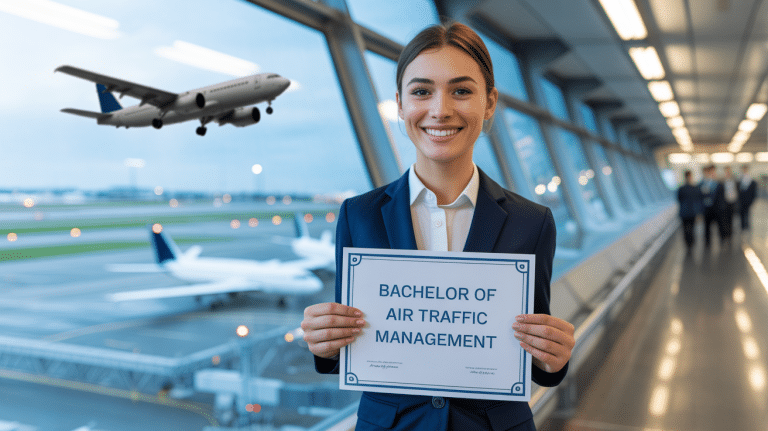
Bachelor of Air Traffic Management: Program Overview
What is Air Traffic Management?
Air Traffic Management (ATM) encompasses the systems, procedures, and people involved in managing the safe and orderly flow of air traffic. It incorporates the use of technology, regulatory frameworks, and operational protocols to ensure that aircraft can move safely and efficiently within national and international airspace.
The field is crucial for maintaining aviation safety, particularly as air traffic continues to grow globally. This program focuses on equipping students with knowledge regarding navigation, communications, regulations, and the dynamic environment of air traffic control.
The ATM curriculum emphasizes a multidisciplinary approach, linking principles of aviation engineering, meteorology, human factors, and operational management. Graduates are prepared not only to work as air traffic controllers but also to assume various roles within the broader aviation sector.
What Do You Study in Air Traffic Management?
Core Curriculum
The Bachelor of Science in Air Traffic Management involves a comprehensive suite of courses that cover both foundational and advanced aspects of the field. Here are some of the key areas of study typically included in the curriculum:
- Air Traffic Control Procedures: Training in standard operating procedures that enable the safe and efficient management of aircraft movements, including takeoffs and landings.
- Aviation Regulations and Safety: Exploration of laws, regulations, and industry best practices related to aviation safety, facilities operations, and compliance.
- Meteorology for Aviation: Understanding weather phenomena and meteorological tools vital for flight safety, including how to interpret weather data and its implications for air traffic control.
- Aircraft Systems and Navigation: Instruction on the technical systems aboard aircraft, including navigation principles and associated technologies such as GPS and radar systems.
- Human Factors in Aviation: Examination of how human behavior and performance impact air traffic management and operational safety, including the design of cockpit environments and communication processes.
- Airport Operations and Management: Coursework covering the operational aspects of airport management, including logistics, staffing, and facility management.
- Aviation Communication and Phraseology: Learning the standardized communication protocols used in air traffic control to enhance clarity and effectiveness during operations.
- Flight Planning and Airspace Management: Techniques for route planning, airspace design, and aircraft separation standards, preparing students for the complex decision-making involved in air traffic management.
General Education and Electives
In addition to core aviation subjects, students are required to complete general education courses in areas such as communication, mathematics, physical sciences, and social sciences. Elective courses allow for specialization in related fields, such as airport or airline management, or further exploration in areas intersecting with aviation technology and transport logistics.
Practical Experience
Many programs include practical training components, such as simulations, workshops, and internships that provide students with real-world experience in air traffic management scenarios. Students may have access to state-of-the-art simulation labs, where they can practice their skills in a controlled environment.
Careers After Air Traffic Management
Graduates of the Bachelor of Science in Air Traffic Management can pursue a variety of professional roles within the aviation sector. Potential career pathways include:
- Air Traffic Controller: Responsible for the safe and efficient management of aircraft movements, ensuring smooth operations at various stages of flight. Average salary: $120,000 – $140,000 USD / €100,000 – €115,000 EUR.
- Aircraft Dispatcher: Coordinates flight plans and ensures operational safety by collaborating with pilots and other aviation personnel. Average salary: $51,000 – $63,000 USD / €43,000 – €53,000 EUR.
- Aviation Safety Specialist: Implements safety protocols, manages regulatory compliance, and conducts risk assessments to enhance aviation safety. Average salary: $70,000 – $85,000 USD / €58,000 – €70,000 EUR.
- Airport Operations Manager: Oversees day-to-day airport operations, including management of staff, resources, and logistical operations. Average salary: $78,000 – $95,000 USD / €65,000 – €80,000 EUR.
- Advanced Air Mobility & Urban Air Mobility Planning: Involves integrating technological advancements such as drones and urban air vehicles into existing airspace management systems. Average salary: $85,000 – $100,000 USD / €70,000 – €85,000 EUR.
The demand for air traffic management professionals is expected to grow as air travel continues to expand and evolve. Graduates are well-positioned to meet the industry’s challenges and opportunities, with many universities offering resources to help students secure internships and job placements.
Is Air Traffic Management Hard to Study?
Studying Air Traffic Management can be challenging due to the fast-paced nature of the field and the importance of precision and accuracy in air traffic operations. Students are often required to develop multitasking and strong decision-making skills, as air traffic controllers must manage multiple aircraft simultaneously while ensuring safety.
Common Challenges
- High-pressure Environment: Students must learn to work under pressure, as the stakes in air traffic control are incredibly high.
- Complex Regulations: The aviation field is governed by numerous regulations that require thorough understanding and compliance.
- Technical Skills: Familiarity with aviation technologies, communication systems, and flight management systems is essential.
Preparation Tips
- Develop Analytical Skills: Strengthening analytical abilities can help students make quick, effective decisions based on available data.
- Practice Simulations: Engaging with practice simulations can build confidence and skill, mimicking real-life air traffic scenarios.
- Stay Updated on Regulations: Regularly reviewing aviation regulations and guidelines can enhance students’ preparedness for exams and real-world applications.
Top Certifications After Air Traffic Management Graduation
Upon graduation, several certifications may enhance employability in the field of air traffic management:
- FAA Air Traffic Controller Certification: Required for air traffic controllers in the United States, this certification ensures the individual meets federal standards.
- Boeing 737 or Airbus A320 Type Rating: Useful for those pursuing positions in flight dispatch or operational management within specific aircraft types.
- National Aviation Authority Certifications: Various countries offer their own certifications that may be designed for air traffic controllers, operational managers, and safety specialists, adapting to local regulations.
- Aviation Safety Management System (SMS) Certification: Recognized internationally, this certification focuses on safety management practices within the aviation industry.
These certifications help graduates stand out in the job market and are essential for adhering to national and international aviation standards.
Where to Study Air Traffic Management
Several private universities offer Bachelor’s degrees in Air Traffic Management, providing outstanding academic and practical training facilities. Here are some top universities where students can pursue this program:
- [Medipol University](https://search.studyinturkiye.com/sit-university/ankara-medipol-university/) – Ankara, Turkiye
- [Istinye University](https://search.studyinturkiye.com/sit-university/istinye-university/) – Istanbul, Turkiye
- [Bahcesehir University (BAU)](https://search.studyinturkiye.com/sit-university/bahcesehir-istanbul-university/) – Istanbul, Turkiye
Conclusion
The Bachelor of Science in Air Traffic Management is a rigorous and multidisciplinary program designed to equip students with the necessary skills and knowledge for a successful career in the aviation sector. With a solid foundation in core areas of air traffic management, hands-on experience, and pathways for professional certification, graduates can confidently step into a thriving and critical field in today’s fast-paced world of air travel.
For personalized help in finding the right academic program for you, don’t hesitate to reach out to SIT Search. We are here to assist you in navigating your educational journey!
Take the Next Step with Study in Turkiye
Explore further to begin your academic journey in Air Traffic Management and make an impact in the aviation industry!

