
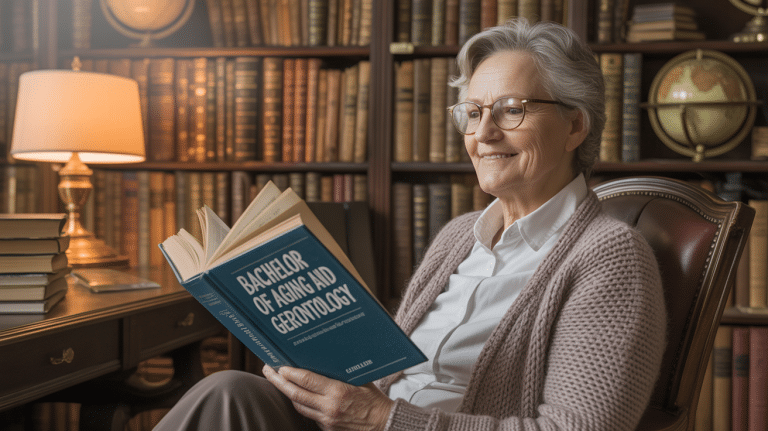
Bachelor of Aging and Gerontology: Program Overview
What is a Bachelor of Aging and Gerontology?
A degree in Aging and Gerontology focuses on the study of the aging process and the challenges faced by older adults. As global demographics shift towards an older populace, professionals equipped with specialized knowledge in gerontology are increasingly in demand. This program aims to foster analytical and critical thinking skills, emphasizing the social, psychological, and health aspects of aging. It prepares graduates for diverse career paths that contribute positively to the quality of life for seniors.
What Do You Study in a Bachelor of Aging and Gerontology?
Core Curriculum
The curriculum typically involves completing around 120 credits, which includes:
- General education courses to build foundational knowledge.
- Core gerontology classes that provide specialized insights.
- Electives and/or a minor, allowing students to tailor their education to particular interests.
Key Core Courses
- Biology of Aging: Understanding biological changes that occur with age.
- Psychology of Adult Development and Aging: Exploring the psychological facets of aging and development through the life course.
- Social and Physiological Aspects of Aging: Studying social structures and physiological changes that influence older adults’ experiences.
- Policies and Programs for Older Adults: Examining existing frameworks governing services for seniors.
- Health Aspects and Nutrition in Aging: Addressing health needs and nutritional requirements specific to the elderly population.
Experiential Learning
Incorporating practical experience is crucial in a bachelor’s program focused on aging. Many institutions mandate a practicum or capstone internship, typically requiring around 100 hours of field experience in settings such as nursing homes, community centers, or healthcare facilities. Students apply theoretical knowledge in real-world contexts, enhancing their readiness for professional roles in gerontology.
Concentration Options
Some programs offer specialized tracks to deepen knowledge in particular areas, including:
- Administration: Focusing on leadership and management skills for aging services.
- Healthy Aging: Concentrating on promoting wellness and resilience among older adults and their families.
- Pre-Health: Providing groundwork for students wishing to advance to healthcare professions with a focus on gerontological issues.
Careers After a Bachelor of Aging and Gerontology
Graduates of a Bachelor’s in Aging and Gerontology are well-prepared for various roles that serve older adults, contributing significantly to their quality of life and care. Here are some common career paths:
- Social Worker: Focusing on the emotional and social needs of older individuals.
- Community Health Worker: Serving as a liaison between older adults and health services.
- Social and Human Services Assistant: Supporting social service programs aimed at the elderly.
- Occupational Therapy Assistant: Aiding in the rehabilitation and therapeutic programs for older adults.
- Program Coordinator or Administrator for Aging Services: Managing and developing programs that serve senior citizens.
Salary Expectations
The salary for professionals in this field can vary widely based on specific roles, location, and experience. Below are some estimated average salaries:
- Social Worker: $43,000 – $62,000 (USD) | €40,000 – €58,000 (EUR)
- Community Health Worker: $30,000 – $52,000 (USD) | €28,500 – €49,000 (EUR)
- Social and Human Services Assistant: $29,000 – $47,000 (USD) | €27,000 – €43,500 (EUR)
- Occupational Therapy Assistant: $46,000 – $67,000 (USD) | €43,000 – €63,000 (EUR)
- Program Coordinator or Administrator: $40,000 – $69,000 (USD) | €38,000 – €65,000 (EUR)
Top Certifications After Bachelor of Aging and Gerontology Graduation
Graduates may consider various certifications to enhance their qualifications and career prospects:
- Gerontological Specialist: Focused on specialized knowledge in gerontology.
- Certified Geriatric Care Manager (CGCM): Certification that demonstrates expertise in coordinating care for older adults.
- Occupational Therapy Certifications: For those wishing to focus on rehabilitative services for the elderly population.
Where to Study Bachelor of Aging and Gerontology
If you are interested in pursuing a Bachelor’s in Aging and Gerontology, consider the following universities that offer robust programs in this field:
Conclusion
A Bachelor’s in Aging and Gerontology equips students with comprehensive knowledge and practical skills to address the diverse needs of the aging population. Graduates enter a rewarding career field with numerous opportunities for growth and specialization. If you are considering this program and would like personalized assistance in navigating your academic journey, don’t hesitate to reach out to SIT Search for expert guidance.
Take the Next Step with Study in Turkiye
Explore further and take the first step toward a fulfilling career in Aging and Gerontology.

