
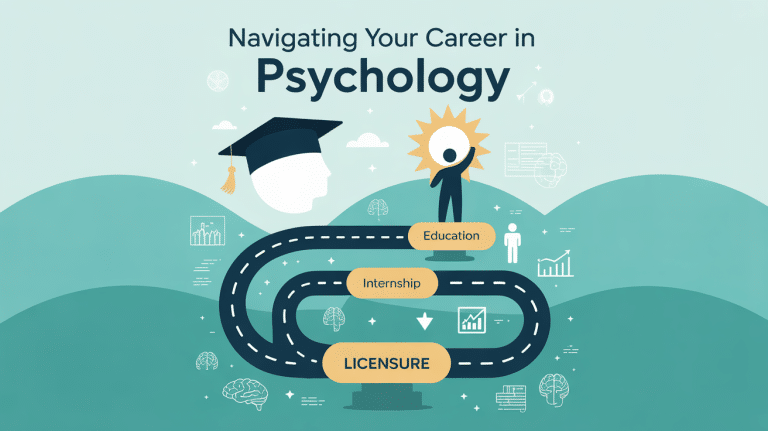
Navigating a Career in Psychology: What You Need to Know About this Academic Program
What is Psychology?
Psychology is the scientific study of the mind and behavior, encompassing the exploration of emotion, cognition, and social interactions. This academic program is tailored for students interested in understanding human behavior and mental processes. It serves a variety of career paths, including clinical practice, research, and education. Whether you are a prospective student or a concerned parent, this guide aims to provide comprehensive insights into pursuing a degree in psychology, its curriculum, career prospects, and further qualifications.
What Do You Study in Psychology?
Core Subjects
The psychology curriculum varies depending on the institution, but it typically encompasses a blend of core subjects and elective courses designed to provide a well-rounded education in the field. Here are some of the essential core courses you can expect:
- Introduction to Psychology: An overview of the fundamental concepts, history, and methodologies in psychology.
- Cognitive Psychology: Exploration of mental processes such as perception, memory, and problem-solving.
- Developmental Psychology: Study of psychological growth and changes across the lifespan.
- Abnormal Psychology: Examination of psychological disorders, their diagnoses, and treatments.
- Social Psychology: Analysis of how individuals influence and are influenced by others.
- Research Methods in Psychology: Understanding of statistical techniques and methodologies used in psychological research.
Elective Courses
In addition to core courses, many programs offer elective courses allowing students to specialize in areas of interest. Some common electives include:
- Clinical Psychology: Introduction to the theories and practices of psychotherapy and assessment.
- Industrial-Organizational Psychology: Application of psychological principles in workplace settings.
- Neuropsychology: Study of the relationship between brain function and behavior.
- Health Psychology: Examination of psychological factors affecting physical health.
Labs, Workshops, and Internships
Hands-on learning is crucial in psychology programs. Many institutions incorporate:
- Laboratory Work: Opportunities to conduct experiments related to behavioral studies.
- Workshops: Practical sessions that cover therapeutic techniques, counseling skills, and ethical practices.
- Internships: Opportunities to gain real-world experience in clinical settings, educational institutions, or corporate environments, helping students apply classroom knowledge in practical situations.
Programs, such as those offered at Medipol University and Bahcesehir University, often emphasize experiential learning as a pivotal part of their psychology curriculum.
Careers After Psychology
Graduates holding a degree in psychology can pursue various career paths in a multitude of industries. Common job titles and sectors include:
- Clinical Psychologist: Provides therapy and psychological assessment.
- Counselor: Works in schools, clinics, or private practice to support individuals with personal and mental health challenges.
- Human Resources Specialist: Utilizes understanding of human behavior to manage recruitment and workplace dynamics.
- Market Research Analyst: Analyzes consumer behavior and market trends.
- Academic Researcher: Conducts studies to advance knowledge in psychology and related fields.
Sample Job Titles
- Clinical Psychologist
- School Counselor
- Forensic Psychologist
- Industrial-Organizational Psychologist
- Research Assistant
Salary Ranges
Salary levels can vary significantly based on location, level of education, and specific job role. Here are typical salary ranges for psychology professionals:
- Clinical Psychologist:
- USD: $75,000 – $100,000
- EUR: €63,000 – €84,000
- School Counselor:
- USD: $50,000 – $70,000
- EUR: €42,000 – €58,000
- Forensic Psychologist:
- USD: $65,000 – $90,000
- EUR: €54,000 – €75,000
- Market Research Analyst:
- USD: $65,000 – $80,000
- EUR: €54,000 – €66,000
Global salary statistics often convey the increasing demand for psychology graduates, reflecting the profession’s growth across sectors.
Is Psychology Hard to Study?
Studying psychology presents its own set of challenges. Here are some common difficulties students may encounter, along with tips to prepare:
Common Challenges
- Complex Theories: Understanding various psychological theories and their application can be challenging.
- Research Methods: Mastery of statistical analysis and research methodologies is crucial but often difficult.
- Emotional Resilience: Engaging with sensitive topics may require students to manage their emotional responses effectively.
Required Skills
- Analytical Thinking: Ability to interpret data and understand theories critically.
- Communication Skills: Essential for both academic success and a career in psychology.
- Empathy: Vital for understanding clients’ or study subjects’ perspectives.
Preparation Tips
- Engage in introductory courses before starting the psychology program.
- Participate in study groups to discuss complex theories and enhance understanding.
- Seek internships or volunteer opportunities related to psychology to gain hands-on experience.
Top Certifications After Psychology Graduation
After completing a degree in psychology, certain certifications or licenses may be required, depending on the career path chosen:
- Licensed Professional Counselor (LPC): Required to practice as a counselor in many regions.
- Board Certified Behavior Analyst (BCBA): Essential for those seeking to work in behavior analysis.
- Certified Clinical Psychologist (CCP): Credential for those practicing in clinical settings.
- National Certified Counselor (NCC): A well-recognized credential in the counseling field.
Many sectors also encourage continual learning through workshops and seminars, ensuring professionals stay current with evolving practices in the field.
Where to Study Psychology
If you’re looking for reputable institutions to pursue a degree in psychology, consider the following private universities:
These universities not only offer comprehensive psychology programs but also integrate internships and experiential learning opportunities to enhance student employability.
In conclusion, pursuing a degree in psychology can serve as a rewarding pathway towards understanding human behavior and offering support within various contexts. Should you require personalized assistance navigating your academic options, do not hesitate to reach out to SIT Search for expert guidance in your educational journey.
Take the Next Step with Study in Turkiye
Explore your options further and take the first step towards a rewarding career in psychology.

