
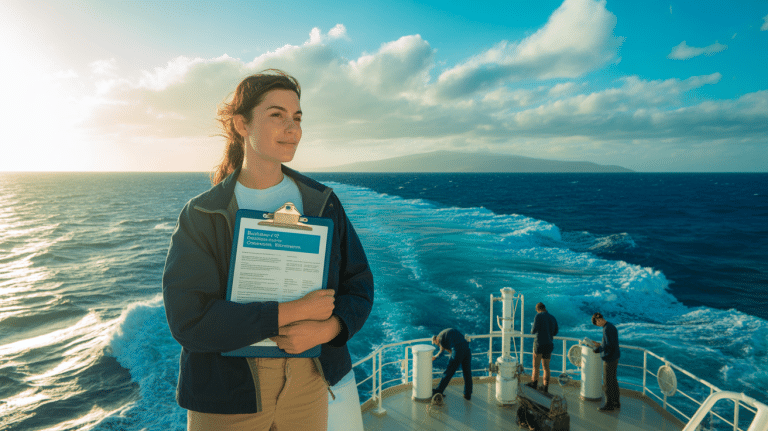
Bachelor of Science in Oceanography: Program Overview
What is Bachelor of Science in Oceanography?
The Bachelor of Science in Oceanography is an interdisciplinary undergraduate program designed to equip students with scientific knowledge and practical skills across multiple domains of ocean science. This program is ideal for individuals who are passionate about understanding marine ecosystems, climate change, and the geological aspects of oceans.
This program offers an extensive curriculum that integrates various fields of study, preparing graduates for dynamic and impactful careers related to marine science and environmental studies.
What Do You Study in Bachelor of Science in Oceanography?
Core Major Courses
- Oceanography: Foundations of oceanographic principles and techniques.
- Physical Oceanography: Study of ocean dynamics, currents, tides, and waves.
- Biological Oceanography: Examination of marine organisms and ecosystems.
- Chemical Oceanography: Focus on the chemical composition of seawater and marine geochemistry.
- Geological Oceanography: Insights into ocean floor geology and sediment processes.
- Oceanographic Field and Laboratory Methods: Practical training in sampling and analytical techniques.
- Advanced Data Analysis and Communication: Development of skills to interpret and communicate scientific data.
- Programming and Data Analysis: Introduction to programming languages (e.g., MATLAB, Python) used in oceanographic research.
Specialization Areas/Themes
- Marine Ecosystem Processes (MEP): Emphasis on biological and ecological processes involved in marine ecosystems.
- Marine Chemistry and Geochemistry (MCG): Concentration on chemical processes occurring in ocean environments.
- Ocean Climate (OC): Focus on ocean-atmosphere interactions and their influence on climate change.
- Ocean Observing Science and Technology (OOST): Study of ocean observing systems, sensor technology, and data analysis.
Careers After Bachelor of Science in Oceanography
Graduates can pursue a variety of fulfilling careers that span across academic, public, and private sectors. The interdisciplinary training equips them for roles that address critical environmental issues related to marine science.
Potential Job Titles
- Marine Scientist
- Oceanographer
- Environmental Consultant
- Data Analyst in Marine Services
- Marine Conservation Specialist
- Research Scientist
- Laboratory Technician
- Policy Analyst in Ocean Policy
- Field Technician in Marine Monitoring Programs
Average Salaries (Global Estimates)
- Marine Scientist: ~$60,000 – $80,000 USD (approx. €50,000 – €67,000)
- Environmental Consultant: ~$50,000 – $75,000 USD (approx. €42,000 – €63,000)
- Data Analyst: ~$55,000 – $80,000 USD (approx. €45,000 – €67,000)
- Policy Analyst: ~$65,000 – $90,000 USD (approx. €54,000 – €75,000)
- Laboratory Technician: ~$45,000 – $60,000 USD (approx. €37,000 – €50,000)
Where to Study Bachelor of Science in Oceanography
Renowned private universities offer robust programs in Oceanography. Notable institutions include:
Take the Next Step with Study in Turkiye
Explore your opportunities in Oceanography and expand your academic journey today.

