
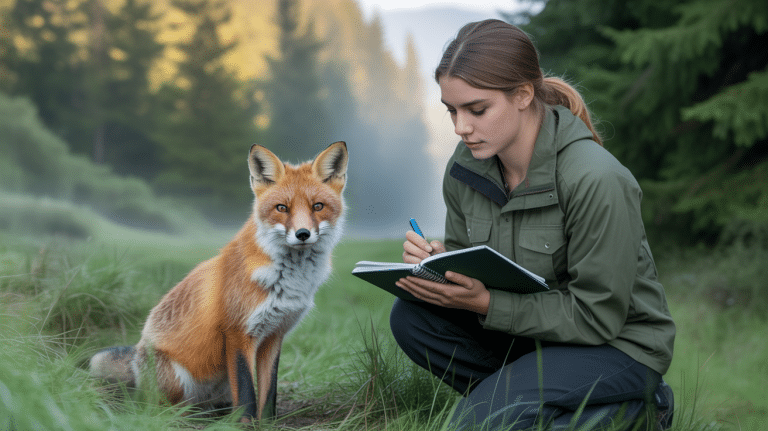
Wildlife Biology Programs: Curriculum & Career Paths
What is Wildlife Biology?
Wildlife Biology is an interdisciplinary field focused on the study of terrestrial and aquatic wildlife. It encompasses various scientific disciplines, including zoology, botany, ecology, and environmental science, providing students with a holistic understanding of wildlife and their ecosystems. The primary goal of Wildlife Biology programs is to equip students with the knowledge and skills necessary to address current and future conservation challenges effectively.
The curriculum typically emphasizes problem-solving related to wildlife management, policies for environmental protection, and sustainable practices. Graduates leave with a rich understanding of the complexities of ecosystems, population dynamics of species, and the role of humans in altering natural habitats.
What Do You Study in Wildlife Biology?
Core Coursework
- Foundational Sciences
- General Biology
- Vertebrate Biology
- Botany
- Calculus and Statistics
- Wildlife-Specific Courses
- Wildlife Ecology and Conservation
- Principles of Wildlife Management
- Conservation Biology
- Fishery Science
- Wildlife Data Collection and Analysis
- Field Techniques
- Natural Resource Measurements
- Wildlife Ecology Labs
- Research Experience
- Senior Projects
- Seminars focused on developing research skills and methodologies
Elective Courses
Students may also select from various elective courses to tailor their studies to specific interests or career goals, such as:
- Ethology (the study of animal behavior)
- Habitat Restoration Techniques
- Ecotoxicology
- Conservation Genetics
Labs, Workshops, and Internships
Wildlife Biology programs often include hands-on experiences through:
- Laboratories: Practical laboratories bolster understanding of theoretical concepts, allowing students to engage in data analysis, species identification, and ecological assessments.
- Workshops: These might focus on field techniques, technology in wildlife surveying, and communication strategies for public outreach.
- Internships: Many programs encourage students to undertake internships with wildlife management organizations, conservation groups, or research institutions. This real-world experience is essential for building a professional network and enhancing employability.
Careers After Wildlife Biology
Graduates of Wildlife Biology programs are prepared for various careers in conservation, research, and management across multiple sectors. Typical job titles include:
- Wildlife Biologist
- Conservation Officer
- Ecologist
- Fisheries Manager
- Environmental Consultant
- Research Scientist
- Habitat Restoration Specialist
- Wildlife Educator
Average Salaries
While salaries can vary significantly based on location, experience, and specific roles, the following ranges provide a general idea of what graduates may expect:
- Wildlife Biologist: $42,000 – $78,000 (USD) / €36,000 – €66,000
- Ecologist: $50,000 – $90,000 (USD) / €43,000 – €77,000
- Conservation Officer: $38,000 – $70,000 (USD) / €33,000 – €60,000
- Environmental Consultant: $60,000 – $100,000 (USD) / €52,000 – €87,000
Is Wildlife Biology Hard to Study?
Students entering a Wildlife Biology program should be prepared for a rigorous academic experience. Common challenges include:
- Complex Scientific Concepts: Understanding biodiversity, ecosystem dynamics, and advanced biological principles can be demanding.
- Field Work Difficulties: Field experiences may involve physically demanding tasks or working in challenging environmental conditions, such as remote locations or adverse weather.
- Research Requirements: Engaging in scientific research requires strong analytical skills, attention to detail, and persistence.
Required Skills
To thrive in this program, students should possess:
- Strong analytical and problem-solving skills
- Good communication abilities for public advocacy and education
- A passion for science and the environment
- Practical skills in data collection and analysis
- Teamwork and leadership qualities
Preparation Tips
Students intending to pursue a Wildlife Biology degree can benefit from:
- Taking advanced science courses in high school, including biology, chemistry, and environmental science.
- Seeking volunteer opportunities with local conservation or wildlife organizations.
- Participating in outdoor activities to gain familiarity with various ecosystems.
Top Certifications After Wildlife Biology Graduation
While a degree in Wildlife Biology equips graduates with core knowledge, certain certifications can enhance career prospects:
- Certified Wildlife Biologist: Offered by The Wildlife Society, this certification requires a combination of education and experience in wildlife biology.
- Certified Ecologist: This credential, provided by the Ecological Society of America, is based on knowledge and experience in ecology.
- Associate Wildlife Biologist: This certification is geared toward entry-level positions and requires relevant coursework and field experience.
Additional certifications in specialized areas, such as GIS (Geographic Information Systems) or environmental impact assessments, can also be beneficial.
Where to Study Wildlife Biology
Students seeking to pursue a Wildlife Biology degree may consider the following top institutions offering relevant academic programs:
- Medipol University – Ankara
- Istinye University – Istanbul
- Bahcesehir University (BAU) – Istanbul
- Ozyegin University – Istanbul
These universities provide a quality education with access to experienced faculty, research opportunities, and facilities that support fieldwork and laboratory studies.
Take the Next Step with Study in Turkiye
Wildlife Biology programs prepare students to become skilled professionals capable of addressing pressing issues in wildlife conservation and management. With a solid curriculum, practical experiences, and a range of career opportunities, graduates are well-equipped to contribute positively to our environment and society. If you’re looking for personalized assistance in selecting the right program or need more information, feel free to reach out to Study in Turkiye for tailored guidance and support.

