
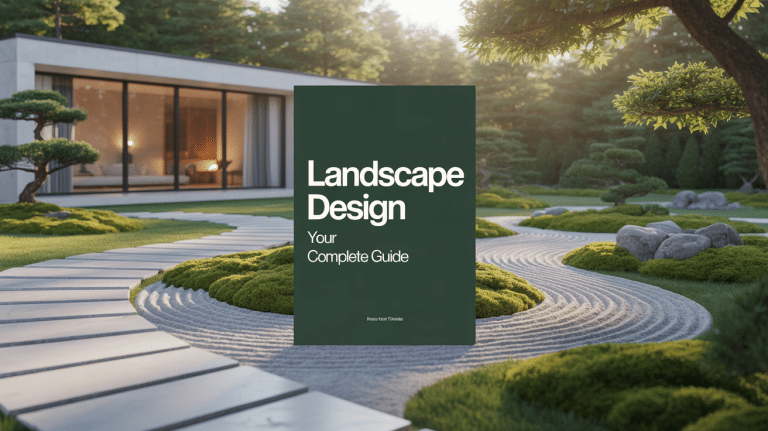
Landscape Design Degrees: Your Complete Guide
What is Landscape Design?
Landscape design encompasses the art of arranging and designing outdoor spaces, integrating elements such as natural landscapes, plants, and built structures. It merges aesthetics with functionality, aiming to create spaces that are not only visually appealing but also serve a practical purpose. Landscape architecture is distinguished by its focus on the planning and design of large-scale outdoor areas, including urban parks, gardens, and public spaces.
What Do You Study in Landscape Design?
Students enrolled in landscape design programs can expect a diverse and comprehensive curriculum that integrates technical prowess, creative design, and scientific understanding.
Core Subjects
-
Design Studios:
Central to landscape architecture education, design studios offer hands-on experience, where students learn site planning and problem-solving under the supervision of experienced faculty.
-
History and Theory:
This component introduces students to the evolution of landscape architecture, influential designers, and key theories that shape how spaces are designed and perceived.
-
Construction and Graphics:
Coursework in this area covers drawing, digital modeling, and construction methods essential for translating design ideas into tangible projects.
-
Environmental Sciences:
Required subjects such as horticulture, soils, geology, and botany establish a foundational understanding of ecosystems and the environmental contexts in which landscape architects operate.
-
Professional Practice:
This includes training in project management, regulation compliance, ethics, and business practices, preparing students for real-world professional settings.
-
Special Topics:
Programs often allow exploration of contemporary issues in landscape architecture through projects in urban design, ecological restoration, and cultural landscape studies.
Elective Courses
In addition to core subjects, students may have options to choose electives that allow them to focus on specific interests, such as sustainable landscape design, urban ecology, or landscape lighting design.
Labs, Workshops, and Internships
- Workshops: These provide practical training in design software and woodworking, planting, and other technical skills.
- Internships: Many programs offer internship opportunities with landscape architecture firms, government agencies, or community organizations, allowing students to apply their knowledge in real-world contexts.
Careers After Landscape Design
A degree in landscape design opens numerous career pathways across various sectors. Graduates often find themselves in roles that blend creativity, technical knowledge, and environmental stewardship.
- Landscape Architect: Engaged in designing parks, gardens, residential areas, and commercial landscapes.
- Urban Planner: Involved in the development and improvement of urban areas, focusing on land use and environmental sustainability.
- Environmental Consultant: Specializes in providing strategic advice on ecological issues related to land and natural resource management.
- Landscape Designer: Focused on creating aesthetically pleasing outdoor spaces for residential and commercial properties.
- Project Manager: Responsible for overseeing landscaping projects, including budgeting, planning, and coordinating with contractors and clients.
Salary Ranges
The salaries for landscape architecture careers can vary significantly based on region, level of experience, and specific job responsibilities:
- Landscape Architect: USD: $50,000 – $80,000; EUR: €45,000 – €75,000
- Urban Planner: USD: $60,000 – $75,000; EUR: €55,000 – €70,000
- Environmental Consultant: USD: $50,000 – $70,000; EUR: €45,000 – €65,000
- Landscape Designer: USD: $40,000 – $60,000; EUR: €35,000 – €55,000
- Project Manager: USD: $60,000 – $90,000; EUR: €55,000 – €80,000
Is Landscape Design Hard to Study?
Studying landscape design can be both rewarding and challenging. Common difficulties students might confront include:
- Time Commitment: Due to the hands-on nature of the design studios, students often need to dedicate significant time outside of regular classes to complete projects.
- Diverse Skill Set: Students are required to balance creativity with technical skills, which can be daunting. Mastery in software tools like AutoCAD and Adobe Creative Suite is essential.
- Field Knowledge: A deep understanding of environmental science is crucial, demanding students to engage with complex ecological concepts and practices.
Required Skills
Successful landscape design students should cultivate the following skills:
- Strong visualization and artistic abilities
- Proficiency in design software
- Knowledge of ecological principles and sustainable practices
- Excellent communication skills for teamwork and client interaction
- Critical thinking and problem-solving capabilities
Top Certifications After Landscape Design Graduation
Upon completing their degree, graduates often pursue professional certifications to enhance their qualifications and job prospects. Key certifications include:
- Landscape Architect Registration Examination (LARE): Required to practice as a licensed landscape architect in many regions.
- LEED Accreditation (Leadership in Energy and Environmental Design): Demonstrates expertise in sustainable building practices and green design.
- Certified Landscape Technician (CLT): Validates technical knowledge in installing and maintaining landscapes.
- Certified Environmental Planner (CEP): Recognizes professionals who specialize in environmental planning and management.
Where to Study Landscape Design
If you are considering a degree in landscape design, several reputable universities in Turkiye offer specialized programs. Notable institutions include:
- Bahcesehir University (BAU), Istanbul
- Medipol University, Ankara
- Uskudar University, Istanbul
- Istanbul Galata University, Istanbul
These universities provide a robust academic environment with courses specifically tailored to equip students with the necessary skills and knowledge in landscape architecture.
For personalized help in navigating your options in landscape design education, reach out to Study in Turkiye. We can assist you in finding the right program that fits your career aspirations and academic goals.
Take the Next Step with Study in Turkiye
Explore further opportunities in landscape design and let us guide you in making the best educational choices.

