
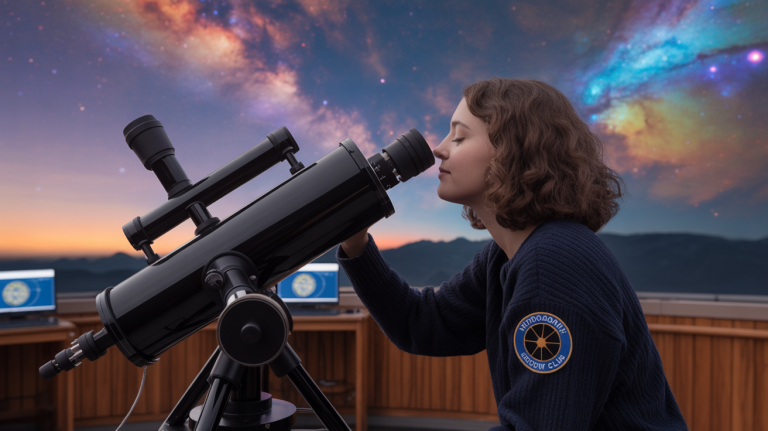
Building a Career in Astronomy and Astrophysics: What to Expect
What is Astronomy and Astrophysics?
Astronomy is the scientific study of celestial objects, space, and the universe as a whole. It encompasses the observation and analysis of planets, stars, galaxies, and cosmic phenomena. Astrophysics, a branch of astronomy, focuses on understanding the physical properties and underlying mechanisms of these celestial bodies through the application of physics and mathematics.
Students pursuing degrees in Astronomy and Astrophysics learn to employ physical principles to derive quantitative benefits from observations of celestial phenomena. Educational programs in this field typically include a variety of theoretical and practical components, preparing students to engage with both fundamental concepts and advanced topics in contemporary astrophysics.
What Do You Study in Astronomy and Astrophysics?
Core Subjects
Students in Astronomy and Astrophysics programs typically engage with a robust curriculum that covers a wide range of topics, including:
- Mathematics and Physics: Foundational courses include calculus, linear algebra, and classical mechanics, which are vital for understanding astronomical phenomena.
- Astronomy Fundamentals: Introductory courses cover the solar system, star formation, galaxy dynamics, and cosmology, providing a broad background in astronomical sciences.
- Astrophysical Theories: Advanced coursework delves into the theories of relativity, quantum mechanics, and statistical mechanics relevant to astrophysical applications.
- Research Methodologies: Students learn research design, data collection, and analysis, including both qualitative and quantitative techniques for astrophysical research.
Elective Courses
Programs may offer elective courses that allow students to tailor their academic experience to their interests, such as:
- Exoplanetary Science
- Stellar Dynamics
- High-Energy Astrophysics
- Cosmology and the Early Universe
- Galaxies and Galaxy Formation
Labs, Workshops, and Research Opportunities
Hands-on experience is crucial in Astronomy and Astrophysics. Many programs integrate:
- Observational Labs: Allowing students to use telescopes and remote sensing equipment to gather astronomical data.
- Computational Workshops: Providing training in programming languages such as Python and MATLAB, essential for analyzing large datasets and simulating astrophysical phenomena.
- Internships: Opportunities to work with research institutions, observatories, or space agencies, providing practical experience and exposure to professional environments.
Research Projects
Many programs encourage students to engage in independent research projects, often culminating in a thesis or capstone project. This aspect helps students apply their theoretical knowledge in a practical context and prepares them for further academic or industry roles.
Careers After Astronomy and Astrophysics
Graduates with degrees in Astronomy and Astrophysics can pursue a variety of career paths across sectors. Some of the common career outcomes include:
- Astronomer: Conducting research and analysis to expand the knowledge of the universe.
- Astrophysicist: Studying physical properties of celestial bodies and the universe’s fundamental laws.
- Data Analyst: Working with large datasets to derive insights and contribute to research findings.
- Teacher or Professor: Educating future generations about astrophysics, either at K-12 levels or in higher educational institutions.
- Space Scientist: Engaging in research and development for space exploration missions.
Sample Job Titles
- Astrophysical Scientist
- Research Astronomer
- Space Scientist
- Data Scientist in Astronomy
- Science Communicator
Salary Ranges
The salaries for professionals in Astronomy and Astrophysics can vary significantly based on geographic location, level of education, and specific job roles. Below are estimated average salary ranges:
- United States:
- Astrophysicist: $85,000 – $150,000 (USD)
- Research Astronomer: $75,000 – $120,000 (USD)
- Europe:
- Astrophysicist: €70,000 – €130,000
- Research Astronomer: €60,000 – €110,000
Is Astronomy and Astrophysics Hard to Study?
Like any scientific field, studying Astronomy and Astrophysics can be challenging due to the rigorous nature of the curriculum. Some of the common challenges students face include:
- Complex Mathematical Concepts: The significant emphasis on advanced mathematics can be daunting for some students, requiring a solid foundation in both calculus and physics.
- Abstract Theories: Concepts such as black holes, quantum mechanics, and cosmological models may be difficult to grasp initially, requiring persistence and a proactive approach to study.
- Research-based Work: Engaging in independent research can be challenging but rewarding; students must develop strong analytical and technical skills.
Required Skills
To succeed in this field, students should develop:
- Strong mathematical and analytical skills
- Critical thinking and problem-solving abilities
- Proficiency in programming and data analysis software
- Effective communication skills for presenting research findings
Preparation Tips
- Strengthen Math Skills: Prioritize courses in mathematics during high school or as part of undergraduate study.
- Engage in Relevant Activities: Participate in science fairs, astronomy clubs, and internships to gain experiential knowledge.
- Utilize Resources: Take advantage of university resources such as tutoring, workshops, and mentoring programs.
Top Certifications After Astronomy and Astrophysics Graduation
While most careers in Astronomy and Astrophysics necessitate advanced degrees, there are several certifications and professional development opportunities available for graduates, particularly in specialized fields:
- NASA Internships: Gaining experience working directly in a leading space agency can enhance a graduate’s career prospects.
- American Institute of Physics (AIP) Membership: Offers resources, professional development, and networking opportunities for physicists and astronomers.
- Data Science Certification: Many graduates benefit from obtaining certifications in data science to enhance their analytical capabilities aligned with modern astrophysical research.
Where to Study Astronomy and Astrophysics
For students interested in pursuing a degree in Astronomy and Astrophysics, numerous private universities in Turkiye offer comprehensive programs:
These institutions not only provide high-quality education but also often feature partnerships with research organizations, increasing students’ access to valuable internship opportunities.
Take the Next Step with Study in Turkiye
Are you captivated by the mysteries of the universe? Explore further your academic options in Astronomy and Astrophysics. Whether you are looking for guidance in your educational journey or need help finding the best fit, Study in Turkiye is here to assist you.

