
Overview of Game Development Programs
What is Game Development?
Game Development is a multidisciplinary field that combines aspects of art, technology, and storytelling. It involves creating video games across various platforms, including consoles, PCs, and mobile devices. This program prepares students to work in the booming gaming industry, encompassing roles from game design to software engineering. Given the rapid advancements in technology and gaming trends, the demand for well-trained game developers continues to surge.
The main goal of a Game Development program is to teach students how to conceptualize, design, and produce engaging and innovative games. By integrating elements of software engineering, graphics design, and user interaction strategies, students can learn to create games that are not only enjoyable but also functional and marketable.
What Do You Study in Game Development?
Core Subjects and Elective Courses
- Fundamentals of Game Programming
- Introduction to programming languages used in game development (e.g., C#, C++)
- Game engines and their architecture
- Game Design Principles
- Core mechanics, dynamics, and aesthetics
- Game balancing and user experience design
- Computer Graphics
- 2D and 3D graphics basics
- Rendering techniques and visual effects
- Artificial Intelligence for Games
- Implementing AI algorithms for non-player character (NPC) behavior
- Pathfinding and decision-making processes
- Software Engineering Practices
- Version control and collaborative software development
- Game optimization and debugging techniques
- User Interface Design
- Principles of effective UI/UX in games
- Wireframing and prototyping interactive designs
- Game Production Management
- Project management methodologies applied to game development
- Scheduling, budgeting, and resource allocation
Labs, Workshops, and Internships
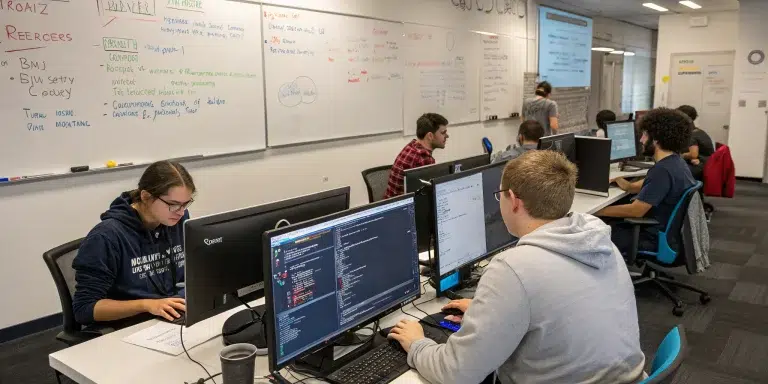
Students will typically engage in hands-on workshops and laboratories where they can apply theoretical knowledge in practical scenarios. Collaborative projects are common, mimicking real-world game development cycles. Additionally, internships through partnerships with gaming companies allow students to gain invaluable industry experience and networking opportunities.
Program structures often culminate in comprehensive capstone projects, where students work in teams to develop and present fully playable games, integrating all the skills they have acquired throughout their studies.
Careers After Game Development
Graduates of Game Development programs are well-equipped to enter various roles across the technology and entertainment sectors. Key career pathways include:
- Game Programmer
- Game Designer
- Technical Artist
- Level Designer
- AI Programmer
- Sound Designer
- Quality Assurance Tester
- Game Producer
Salary Ranges
Salaries for game development roles can vary widely based on experience, location, and the specific role. Here are some examples of average salaries in USD and EUR:
- Game Programmer:
- USD: $80,000 – $120,000
- EUR: €70,000 – €105,000
- Game Designer:
- USD: $65,000 – $100,000
- EUR: €60,000 – €90,000
- Technical Artist:
- USD: $70,000 – $110,000
- EUR: €65,000 – €95,000
- QA Tester:
- USD: $50,000 – $75,000
- EUR: €45,000 – €70,000
Industry Trends
The gaming industry continues to grow, driven by advancements in technology and an increasing number of gaming platforms. Mobile gaming, virtual reality (VR), and augmented reality (AR) are expanding the market, leading to a higher demand for skilled developers.
Is Game Development Hard to Study?
Game development presents challenges that require a blend of technical and creative skills. Common challenges include:
- Technical Complexity: Mastering programming languages and game engines can be daunting for beginners.
- Time Management: Balancing coursework, projects, and potentially internships requires strong organizational skills.
- Collaboration: Working in teams can lead to communication challenges but is essential for simulating industry environments.
Required Skills
Students should cultivate skills in:
- Programming Proficiency: Familiarity with languages such as C++, C#, and Python.
- Creative Thinking: Ability to generate innovative game concepts and storylines.
- Problem-Solving: Analyzing issues that arise during the game development process and finding effective solutions.
Preparation Tips
To prepare for the rigors of a Game Development program, prospective students should:
- Take foundational courses in mathematics and computer science.
- Engage in personal or volunteer game development projects.
- Attend gaming workshops or join gaming clubs to build experience and network within the community.
Top Certifications After Game Development Graduation
While a degree in Game Development is crucial, obtaining additional certifications can bolster a graduate’s credentials. Key certifications may include:
- Unity Certified Developer: Recognizes proficiency in the Unity game engine.
- Certified Game Developer: Offered by various online platforms, covering core game development skills.
- Unreal Engine Certification: Demonstrates expertise in using Unreal Engine, widely utilized in the industry.
These certifications can enhance job prospects and validate the developer’s expertise to potential employers.
Where to Study Game Development
Students interested in pursuing Game Development can consider the following top private universities:
These institutions offer comprehensive Game Development programs, ensuring students receive a robust education along with strong industry connections.
Conclusion
Game Development programs provide a rich multi-faceted education that combines technical training, creative design, and project management. Graduates emerge equipped to meet the demands of a rapidly evolving industry, making significant contributions to the world of interactive entertainment.
For personalized assistance in navigating academic options in Game Development or to explore specific programs further, reach out to SIT Search today.
Take the Next Step with Study in Turkiye
Explore further to find your ideal Game Development program and start your journey in the exciting world of game design and production.

