
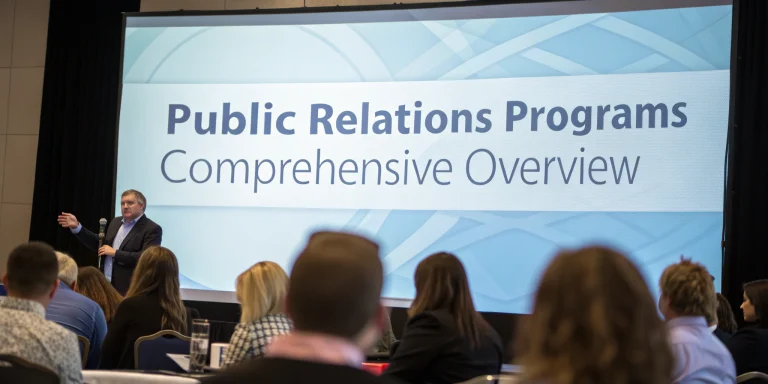
Public Relations Programs: Comprehensive Overview
What is a Public Relations Program?
A Public Relations program encompasses a comprehensive curriculum that trains students in a variety of essential skills, serving as the backbone for effective communication strategies. The primary focus is on shaping public perceptions, crafting compelling narratives, and using various communication channels to engage target audiences. Students receive instruction on how to handle crises, develop strategic campaigns, and utilize digital platforms to amplify messaging.
The curriculum is aimed at fostering critical thinking, strategic planning, and ethical decision-making. Graduates emerge equipped to tackle real-world challenges in communication, making this program suitable for those aspiring to work in media, corporate communication, nonprofit organization management, and beyond.
What Do You Study in Public Relations?
Core Subjects and Elective Courses
Public Relations programs cover a wide range of courses, reflecting the multifaceted nature of the field. Core subjects typically include:
- Strategic Communication: Students learn how to design comprehensive communication plans that align with organizational goals, considering audience analysis and media selection.
- Media Relations: This includes techniques for building and maintaining relationships with media professionals, understanding media dynamics, and pitching stories effectively.
- Campaign Development: Courses focus on the processes involved in creating and executing public relations campaigns targeting specific audiences.
- Research Methods: Students explore various research tools and techniques to assess public opinion and measure campaign effectiveness.
- Writing and Storytelling: This covers crafting press releases, articles, and other media materials that convey organizational messages.
- Ethics in Public Relations: This vital course examines the ethical responsibilities that come with managing public perceptions and the complexities of truth in media.
- Digital Communications: Students learn about the role of social media in PR, including how to utilize emerging platforms for audience engagement and brand building.
Labs, Workshops, and Internships
Many PR programs emphasize experiential learning through hands-on workshops and real-world projects. This may include:
- Case Studies: Analyzing successful and failed PR campaigns to extract lessons applicable to future practices.
- Capstone Projects: Collaborative projects that require students to develop a full PR campaign for a fictional or real client.
- Internships: Opportunities to work with PR firms, non-profit organizations, or corporate communications departments provide invaluable industry experience.
These practical experiences help students apply theoretical knowledge, develop professional skills, and build a portfolio that demonstrates their capabilities.
Careers After Public Relations
Graduates of Public Relations programs find themselves well-prepared for a variety of roles across multiple sectors. Career opportunities include:
- Public Relations Specialist: Develops and maintains a positive public image for clients or organizations.
- Media Relations Manager: Manages relationships with media outlets, ensuring effective communication of news.
- Social Media Manager: Oversees a brand’s social media presence and strategy, crafting messages that engage audiences.
- Crisis Communication Consultant: Specializes in managing communications during crises to protect organizational reputation.
- Event Coordinator: Plans and executes special events that promote an organization and engage stakeholders.
Average Salaries
Salaries in the Public Relations field can vary significantly based on region and level of experience. Here are some average salary ranges:
- Public Relations Specialist: $45,000 – $75,000 (USD), €39,000 – €65,000 (EUR)
- Media Relations Manager: $65,000 – $100,000 (USD), €57,000 – €87,000 (EUR)
- Social Media Manager: $50,000 – $80,000 (USD), €43,000 – €70,000 (EUR)
- Crisis Communication Consultant: $75,000 – $120,000 (USD), €65,000 – €104,000 (EUR)
- Event Coordinator: $40,000 – $70,000 (USD), €34,000 – €62,000 (EUR)
Is Public Relations Hard to Study?
Students often wonder about the challenges associated with studying Public Relations. While the program can be demanding, the following factors may influence difficulty:
- Diverse Skill Set Requirement: Students must become proficient in writing, analytics, strategic thinking, and interpersonal communication.
- Fast-Paced Environment: The media landscape is ever-evolving, requiring students to stay abreast of trends and adapt quickly to new technologies and methodologies.
- Critical Thinking and Creativity: Students are expected to engage in critical analysis and devise innovative solutions under tight deadlines.
Tips for Success
To thrive in a Public Relations program, prospective students should consider:
- Engaging in internships: Real-world experience is invaluable.
- Building a portfolio: Work on writing samples and projects to showcase skills to potential employers.
- Networking: Establish connections within the industry through events and professional organizations.
- Staying informed: Keep up with PR trends and issues by reading industry publications and following thought leaders on social media.
Top Certifications After Public Relations Graduation
Upon graduating from a Public Relations program, additional certifications can enhance a graduate’s qualifications. Some essential certifications include:
- Accredited in Public Relations (APR): This certification is provided by the Public Relations Society of America (PRSA) and demonstrates a graduate’s commitment to the profession.
- Certificate in Digital Marketing: Offered by various institutions, this certification showcases expertise in using digital channels for effective PR.
- Social Media Strategy Certification: Validates skills in creating and managing a successful social media strategy.
Pursuing these certifications can give graduates a competitive edge in the job market.
Where to Study Public Relations
Several renowned universities offer robust Public Relations programs. Consider the following institutions that provide comprehensive educational experiences:
These universities not only offer high-quality education but also support students through internships, networking opportunities, and involvement in industry projects.
Conclusion
Public Relations programs provide a structured and comprehensive education focused on preparing students for dynamic careers in communications. By blending theoretical instruction with practical experiences, students can effectively develop the skills necessary to excel in the fast-paced world of strategic communication.
Take the Next Step with Study in Turkiye
For personalized guidance and assistance in navigating your educational journey in Public Relations, reach out to Study in Turkiye, and let us help you find the right program that suits your ambitions.

