
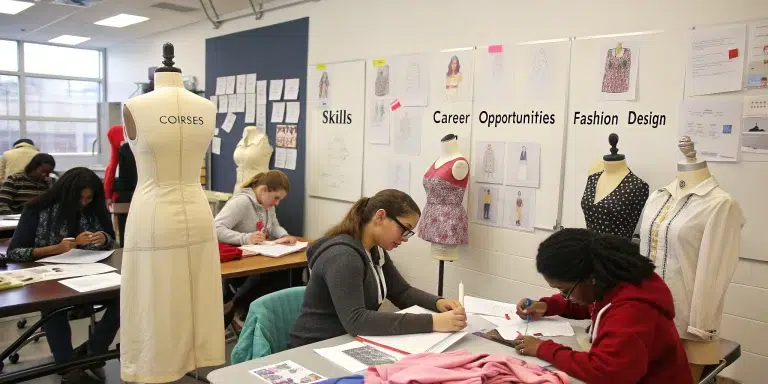
Fashion Design Degrees: Courses, Skills & Careers
What is Fashion Design?
Fashion Design is the art of applying design, aesthetics, and natural beauty to clothing and its accessories. In today’s rapidly evolving fashion landscape, designers play a vital role in creating styles that influence how people express themselves through clothing. A degree in Fashion Design equips students with the skills needed to conceptualize and create apparel for various markets, from high-end couture to everyday wear. The program is ideal for individuals with an eye for detail, creativity, and a passion for fashion trends.
What Do You Study in Fashion Design?
Fashion Design programs typically offer comprehensive curricula that promote both technical skills and creativity.
Core Subjects
- Principles of Fashion Design: Overview of historical and contemporary styles, color theory, and design elements.
- Textile Science: Understanding fabric types, properties, and how different textiles affect garment creation.
- Patternmaking and Draping: Techniques for creating patterns and draping materials to achieve desired silhouettes.
- Computer-Aided Design (CAD): Software training that helps students create digital designs and technical illustrations.
Elective Courses
- Fashion Illustration: Developing skills to render fashion concepts visually.
- Sustainable Fashion: Exploring eco-friendly practices and materials throughout the design process.
- Fashion Marketing: Understanding market trends, branding, and the business aspects of fashion.
Labs, Workshops, and Internships
Most programs integrate practical experience through labs and workshops, allowing students to apply their skills in real-world contexts. Options may include:
- Sewing and Textile Labs: Hands-on experience with sewing machines and creating technical prototypes.
- Workshops with Industry Professionals: Engaging with guest lecturers and industry experts for insights and networking opportunities.
- Internships: Many programs require internships or co-op experiences to provide students with invaluable work experience and industry exposure.
Careers After Fashion Design
Graduates of Fashion Design programs have a wide array of career paths available to them. The fashion industry is vast, encompassing areas such as retail, styling, and technical design.
Potential Job Titles
- Fashion Designer
- Costume Designer
- Fashion Merchandiser
- Technical Designer
- Product Developer
- Fashion Stylist
- Brand Consultant
Industries and Sectors
Fashion Design graduates can find positions in various industries, including:
- Apparel Manufacturing
- Retail Businesses
- Entertainment (theater, film, television)
- Fashion Marketing and Public Relations
- Freelance and Entrepreneurship
Average Salaries
Salary for fashion design professionals can vary widely based on experience, location, and specific job roles. According to various labor market insights, average salaries include:
- Fashion Designer: USD: $68,000 – $97,000; EUR: €63,000 – €90,000
- Fashion Stylist: USD: $45,000 – $65,000; EUR: €42,000 – €61,000
- Costume Designer: USD: $55,000 – $75,000; EUR: €51,000 – €70,000
These figures can vary based on geographic location and company size, with major fashion capitals like New York and Paris often offering higher salaries.
Is Fashion Design Hard to Study?
Studying Fashion Design can be challenging, requiring dedication, creativity, and a strong work ethic. Common challenges include:
- Time Management: Balancing coursework, projects, and internships can be demanding. Effective time management skills are essential.
- Technical Skills Development: Mastery of sewing, patternmaking, and CAD can take considerable practice and persistence.
- Creative Block: Finding inspiration can sometimes be difficult, and students must learn how to cope with or overcome these periods.
Required Skills
To succeed in a Fashion Design program, students should possess the following skills:
- Creativity and Imagination: Essential for generating unique designs.
- Attention to Detail: Important for executing designs and technical specifications accurately.
- Problem-Solving: Necessary for addressing challenges that arise during production.
Preparation Tips
- Engaging with fashion shows, exhibitions, and workshops can provide inspiration and insights.
- Building a portfolio early on can help document your growth and showcase your work to potential employers.
- Networking with industry professionals through internships and events can open opportunities for mentorship and job placement.
Top Certifications After Fashion Design Graduation
While a degree in Fashion Design provides a solid foundation, pursuing additional certifications can further enhance career prospects. Important certifications include:
- Certified Fashion Designer (CFD): Recognizes proficiency in fashion design principles.
- Fashion Merchandising Certification: Focuses on marketing and market strategies within the fashion industry.
- Textile Certification: Validates knowledge of textile production processes and properties.
These certifications can enrich a graduate’s qualifications and bolster their appeal in a competitive job market.
Where to Study Fashion Design
For those considering pursuing a degree in Fashion Design, here are some top universities offering this program:
These institutions provide excellent academic resources, experienced faculty, and industry connections that can greatly benefit students in their Fashion Design studies.
Take the Next Step with Study in Turkiye
Explore further to find the best paths for your future in Fashion Design and the opportunities available in Turkiye.

