
Fashion Design Studies: What You Need to Know
What Do You Study in Fashion Design? |
Careers After Fashion Design |
Is Fashion Design Hard to Study? |
Top Certifications After Fashion Design Graduation |
Where to Study Fashion Design
What is Fashion Design?
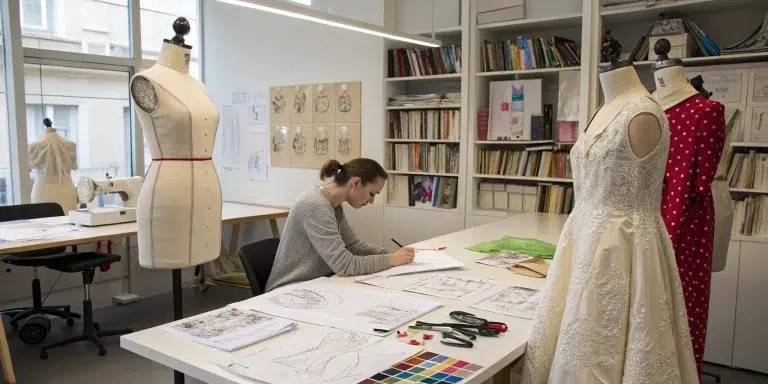
Fashion Design is a discipline focused on creating clothing and accessories that are both functional and aesthetically pleasing. Programs in this field teach students about the various aspects of design, from initial concept development to the final production of garments. The field is interwoven with aspects of marketing, merchandising, and history, providing a holistic view of the fashion industry.
Students in Fashion Design can expect to explore different styles, fabrics, and cultural contexts while developing their own unique voices as designers. The goal is to produce well-rounded professionals who can navigate the fast-paced nature of the industry, from runways and retail to niche market segments.
What Do You Study in Fashion Design?
Core Subjects
- Computer-Aided Design (CAD): Students learn to use various software tools for creating design layouts and patterns, making it easier to visualize and modify their ideas.
- Textile Science: Understanding materials is crucial; courses cover fiber types, fabric properties, and how to select appropriate textiles for different clothing types.
- Sketching Techniques: Students develop their artistic skills through lessons in fashion illustration, learning how to express ideas visually.
- Draping: This hands-on course teaches students how to manipulate fabric on a dress form to create garments, emphasizing the importance of fit and construction.
- Pattern Making: Students learn how to create patterns, which serve as templates for cutting fabric and assembling garments.
- Sewing Techniques: Practical sewing skills are essential; courses cover everything from basic stitching to advanced techniques for finishing garments.
Elective Courses
Depending on the institution, students may have the option to delve into specialized areas, such as:
- Sustainable Fashion: Focusing on eco-friendly practices within the fashion industry.
- Fashion Illustration: Expanding skills in representing designs and concepts visually.
- Fashion Marketing: Understanding the strategies used in promoting fashion products.
Labs, Workshops, and Internships
Fashion Design programs often include:
- Workshops: These practical sessions focus on specific skills, such as garment construction or advanced sewing techniques.
- Internships: Many programs facilitate or require internships, providing students with hands-on experience in the industry, networking opportunities, and real-world challenges.
Careers After Fashion Design
Graduates of Fashion Design programs can pursue a wide range of career opportunities in various sectors of the fashion industry. Below are some potential career paths along with average salary estimates:
- Fashion Designer
- Apparel Production Manager
- Textile Designer
- Fashion Merchandiser
- Costume Designer
- Fashion Buyer
- Fashion Illustrator
- Brand Consultant
Salary Ranges
Salaries can vary significantly based on location, experience, and specific roles. Below are average salary estimates in USD and EUR:
- Fashion Designer: $62,000 – $105,000 (USD), €54,000 – €90,000 (EUR)
- Production Manager: $70,000 – $110,000 (USD), €60,000 – €95,000 (EUR)
- Merchandiser: $55,000 – $90,000 (USD), €48,000 – €76,000 (EUR)
- Costume Designer: $50,000 – $85,000 (USD), €43,000 – €73,000 (EUR)
Is Fashion Design Hard to Study?
Studying Fashion Design can be both rewarding and challenging. Here are some common challenges, skills required, and preparation tips:
Common Challenges
- Time Management: The workload can be intense, especially during project deadlines or fashion shows.
- Creative Blocks: Students may experience moments where inspiration is lacking, making it difficult to generate new ideas.
- Technical Skills: A strong understanding of sewing, pattern-making, and CAD software is essential, which may be daunting for some students initially.
Required Skills
- Creativity and Artistic Talent: A natural flair for design and an eye for aesthetics are crucial.
- Technical Proficiency: Knowledge of sewing, textiles, and computer software is essential for bringing designs to life.
- Problem-Solving: Ability to troubleshoot issues that arise during the design and production process.
Preparation Tips
- Practice Regularly: Engage in sketching, sewing, and creating to enhance your skills consistently.
- Stay Updated: Follow fashion trends and industry news to stay informed about the ever-evolving market.
- Seek Feedback: Utilizing critiques from peers and instructors can help improve your work.
Top Certifications After Fashion Design Graduation
Upon graduation, several certifications can enhance a graduate’s qualifications, making them more competitive in the job market:
- Fashion Design Certification: Offered by various professional organizations; key for establishing professional credibility.
- Textile Certification: Emphasizes expertise in fabric selection and usage.
- Certified Fashion Merchandiser (CFM): Beneficial for those looking to delve into merchandising roles.
- Sustainable Fashion Certificate: Increasingly valuable as the industry leans towards eco-friendly practices.
Where to Study Fashion Design
If you are considering a program in Fashion Design, here are some of the top universities in Turkiye that offer excellent opportunities:
These institutions provide aspiring designers with a solid foundation in both the art and science of fashion design, as well as connections to industry leaders.
Take the Next Step with Study in Turkiye
Explore further opportunities to advance your education in Fashion Design and other fields. Let Study in Turkiye be your trusted authority in guiding your academic journey!

