
Overview of Animation Degree Programs
What is Animation?
Animation is the process of creating moving images using a sequence of static images or drawings, which impart the illusion of motion. It can encompass various styles and techniques, including traditional 2D animation, 3D computer-generated imagery (CGI), stop motion, and motion graphics. The discipline marries artistic skill with technology, requiring practitioners to utilize advanced software tools and methodologies to enhance storytelling through visual media. Those pursuing an education in animation will engage rigorously with both foundational art practices and the latest industry technologies.
What Do You Study in Animation?
Core Subjects
Animation programs typically cover a variety of core subjects integrated into their curriculums. Key areas of study include:
- Fundamentals of Animation: Introduction to the principles of both 2D and 3D animation techniques, laying the groundwork for future exploration.
- Character Design and Performance: Techniques focusing on the development of characters, including movement, expression, and storytelling.
- Storyboarding and Visual Narrative: Essentials of creating narratives through sequential art and visual storytelling.
- Digital Cinema Production and Visual Effects (VFX): Introduction to digital film techniques and the integration of digital effects in animation.
- Cinematography and Lighting: Understanding lighting effects and composition strategies that enhance cinematic storytelling.
Sample Coursework
Specific courses under these core areas often include:
- Fundamentals of 2D Animation
- 3D Animation Techniques
- Advanced Character Acting for Animation
- Digital Asset Management and Project Management
- Cutout and Digital Animation Techniques
- Capstone Portfolio Development and Professional Practice
Many institutions incorporate hands-on projects, capstone projects, internships, and industry networking experiences to reinforce learning and prepare students for entry into the workforce.
Labs and Workshops
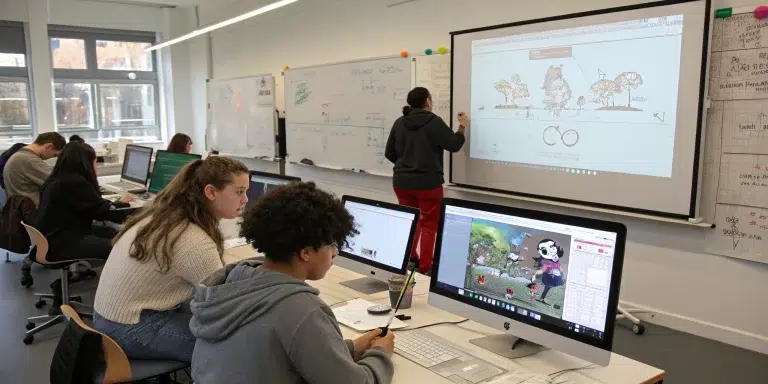
Practical training in labs and workshops is an integral component of animation curricula, allowing students to apply their learning in real-world contexts. They often include:
- Animation Studios: Access to professional-grade software and equipment used in the industry.
- Collaborative Projects: Group projects that simulate industry collaboration, preparing students for teamwork.
- Internships: Opportunities to gain industry experience, develop skills, and create professional connections.
Careers After Animation
Graduates from animation degree programs can explore various exciting career paths, including but not limited to:
- Animator (2D, 3D, VFX)
- Character Designer
- Storyboard Artist
- Visual Development Artist
- Game Developer or Designer
- Modeler or Texture Artist
- Animation Producer or Director
- Motion Graphics Artist
Industries and Sectors
The main industries where animation graduates typically find employment include:
- Film and Television Production
- Video Game Development
- Advertising and Marketing
- Digital Media and Online Content Creation
- Educational Technology
Average Salaries
The earning potential for animation professionals can vary significantly depending on specialization, experience, and geographic location. Here are average global salary ranges:
- Animator: $50,000 – $90,000 (USD) / €45,000 – €80,000 (EUR)
- Character Designer: $55,000 – $85,000 (USD) / €50,000 – €75,000 (EUR)
- Storyboard Artist: $50,000 – $80,000 (USD) / €45,000 – €70,000 (EUR)
- Game Developer: $60,000 – $100,000 (USD) / €55,000 – €90,000 (EUR)
Is Animation Hard to Study?
Animation can be a challenging field of study due to the following factors:
- Technical Knowledge Requirement: Mastering animation software and tools is crucial, requiring significant commitment to learning.
- Creativity and Innovation: Producing original and compelling work demands a high level of creativity and artistic skill.
- Time Management: Projects can be time-consuming and require balancing multiple deadlines and tasks.
- Collaboration Skills: Working on group projects necessitates strong communication and teamwork abilities.
Required Skills and Preparation Tips
To succeed in an animation program:
- Develop strong foundational art skills and understanding of various animation styles.
- Familiarize yourself with industry-standard software (e.g., Adobe Animate, Blender, Maya).
- Practice teamwork and problem-solving through collaborative projects or extracurriculars.
- Build a solid portfolio showcasing your skills and creativity, which is pivotal for job applications and internships.
Top Certifications After Animation Graduation
After graduation, pursuing professional certifications can elevate an animator’s career. Essential certificates include:
- Adobe Certified Associate (ACA): Recognition in Adobe Creative Suite applications, valuable for animators and graphic designers alike.
- Autodesk Certified Professional: Demonstrates proficiency in Autodesk software like Maya, widely used in the industry.
- Unity Certification: Beneficial for animators planning to delve into game development.
These certifications can provide a competitive edge in the job market and are often recognized globally.
Where to Study Animation
If you are interested in pursuing an animation degree abroad, consider looking at the following universities that offer strong programs in this field:
These institutions provide a rich environment to cultivate skills and build networks within the animation sector.
If you’re considering an academic path in animation or have questions about specific programs, reach out to Study in Turkiye for personalized help in finding the ideal choice for your educational goals. Your journey into the vibrant world of animation can start today!
Take the Next Step with Study in Turkiye
Explore further and unlock your potential in the field of animation!

