
Broadcast Media Programs: Comprehensive Overview
What is a Broadcast Media Program?
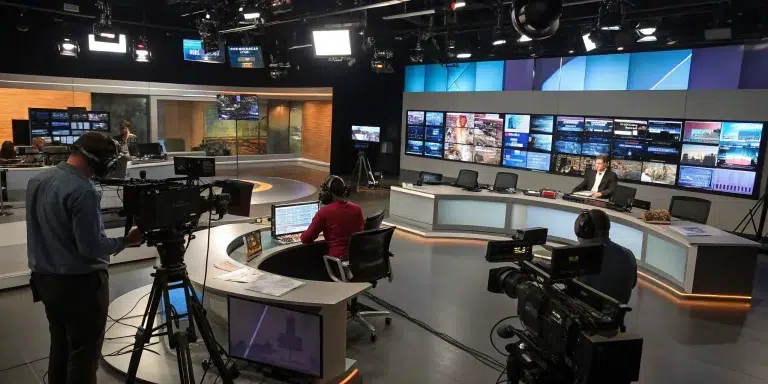
Broadcast media programs are specialized academic tracks that prepare students for careers in the communication and media industries. The curriculum often blends critical concepts of mass communication with hands-on technical training, equipping graduates to produce and deliver compelling content. Students in these programs will learn how to engage audiences effectively through various media forms while mastering the technical skills needed for professional production.
What Do You Study in Broadcast Media?
The study of broadcast media is diverse, featuring a range of core subjects, electives, hands-on experiences, and industry-relevant skills.
Core Areas of Study
- Audio and Video Production: Students learn essential techniques for producing, editing, and distributing high-quality audio and video content. This involves training on industry-standard software such as Adobe Audition and video editing tools, as well as mastering camera operation, lighting, and sound engineering.
- Communication and Storytelling: This area emphasizes developing strong writing and storytelling abilities. Coursework typically includes topics such as scriptwriting, interviewing skills, and narrative construction, enabling students to create engaging content tailored for different broadcast formats.
- Media Theory and Ethics: Students explore foundational theories of mass communication and the ethical implications of broadcast media. Understanding media ethics is crucial for navigating the complex landscape of content production and distribution.
- Digital Media and New Technologies: With the rise of digital platforms, programs now include coursework related to digital content production, podcasting, and multimedia storytelling, preparing students for modern broadcast challenges.
- Specializations and Electives: Many institutions offer electives in areas such as digital film, radio and audio production, and journalism, allowing students to tailor their education to their career aspirations.
Sample Hands-on Experiences
In addition to theoretical learning, students engage in numerous practical experiences:
- Producing live and recorded radio shows and podcasts.
- Creating television segments and news packages to be aired on campus stations.
- Operating advanced digital video and audio editing equipment.
- Participating in student-run radio or television productions, which provide invaluable real-world experience.
Careers After Broadcast Media
Graduates of broadcast media programs are well-equipped for a variety of careers in both traditional media and emerging digital platforms. Career opportunities include:
- Radio and Television Broadcaster: Engaging in on-air hosting, news anchoring, reporting, and production roles.
- Audio/Video Production Specialist: Handling editing, sound design, camera operation, and technical directing for both broadcast and other non-broadcast settings.
- Podcast Producer/Host: Developing, producing, and distributing podcasts and other forms of online audio content.
- Digital Media Content Creator: Producing multimedia content tailored for various platforms, including news outlets, corporations, and social media.
- Journalism: Focusing on reporting, writing, and editing for various media outlets across the broadcast and digital landscape.
- Corporate and Nonprofit Communications: Developing communications strategies and materials for organizations.
Salary Overview
Salaries for broadcast media professionals can vary widely depending on experience, location, and the specific role. On average, professionals in this field can expect salary ranges as follows:
- Entry-Level Positions: $30,000 – $45,000 USD / €27,000 – €40,000 EUR.
- Mid-Level Positions: $45,000 – $70,000 USD / €40,000 – €63,000 EUR.
- Senior-Level Positions: $70,000 – $100,000 USD / €63,000 – €90,000 EUR.
These figures reflect global standards and can fluctuate based on regional job markets and specific industry demands.
Is Broadcast Media Hard to Study?
While broadcast media programs are rewarding, they can also present challenges. Students may encounter a rigorous schedule combining theory, hands-on projects, and deadlines. Below are common challenges and necessary skills:
Common Challenges
- Keeping up with the rapid evolution of technology and media trends.
- Balancing practical projects with theoretical coursework.
- Collaborating effectively in team-based environments, a crucial part of media production.
Required Skills
- Strong communication and interpersonal skills for collaboration and content creation.
- Technical proficiency with audio and video production tools.
- Creative thinking and storytelling capabilities.
Preparation Tips
- Familiarize yourself with industry-standard software and hardware prior to starting the program.
- Build a portfolio of sample projects (videos, podcasts, articles) to demonstrate your skills.
- Stay updated on current media trends and digital technologies through relevant readings and workshops.
Top Certifications After Broadcast Media Graduation
After completing a broadcast media program, students may choose to pursue additional certifications that can enhance their employability and expertise. Common certifications include:
- Certified Broadcast Technologist (CBT): A program through the Society of Broadcast Engineers (SBE) that recognizes professional competencies in broadcast technology.
- Adobe Certified Expert (ACE): Various certifications available for proficiency in Adobe’s suite of creative software, including Premiere Pro and After Effects.
- Radio and Television News Association (RTNDA) Professional Certification: This demonstrates advanced understanding and skills in broadcast journalism.
Acquiring such certifications not only enhances professional credibility but also may lead to better job prospects and advancement opportunities.
Where to Study Broadcast Media
Prospective students interested in pursuing a degree in broadcast media can find excellent programs at various institutions. Here are some reputable universities that offer comprehensive broadcast media programs:
- Medipol University – Known for its hands-on approach to media education.
- Istinye University – Offers a robust curriculum emphasizing the latest media technologies.
- Bahcesehir University (BAU) – Provides an interdisciplinary approach to media studies.
Conclusion
Broadcast media programs present a dynamic and rewarding path for those passionate about media, storytelling, and technology. By engaging with a comprehensive curriculum that includes production skills, ethical considerations, and evolving digital platforms, graduates are well-prepared to enter a competitive job market. For personalized assistance and guidance in choosing the right academic path, reach out to SIT Search today.
Take the Next Step with Study in Turkiye
Explore further opportunities to advance your education in broadcast media and other fields. Your future awaits!

